
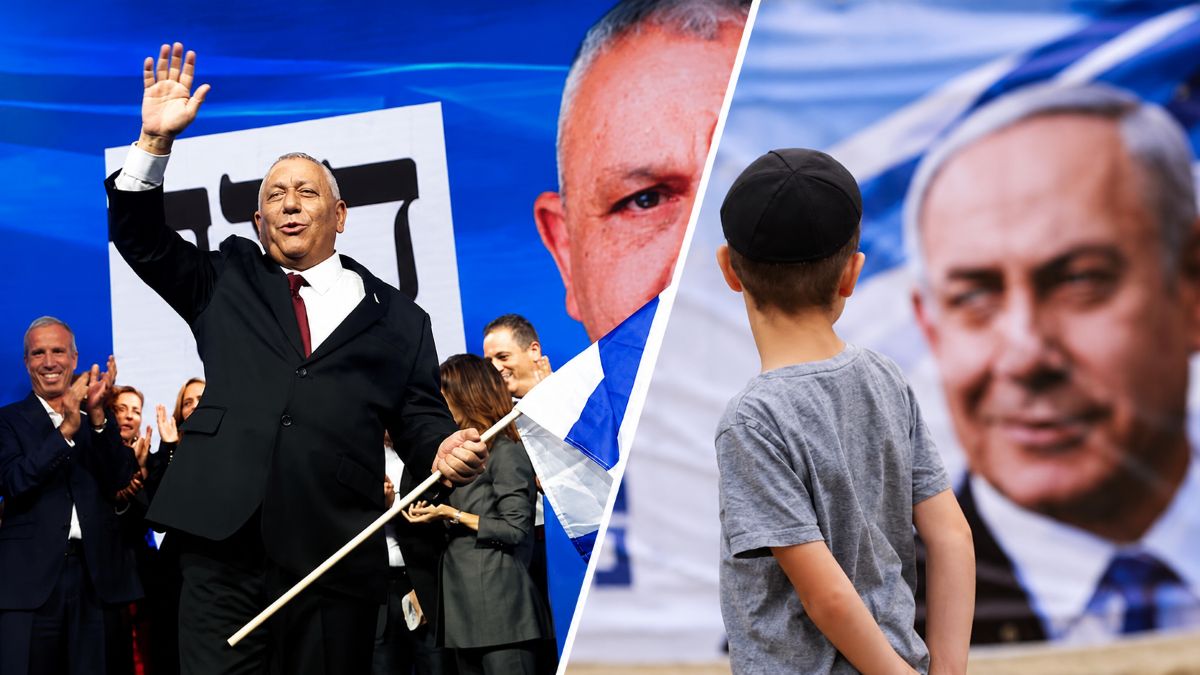

JERUSALEM: Israeli Prime Minister Benjamin Netanyahu’s bloc won 53 seats in parliament, eight short of a majority, according to election results released on Friday.
The Central Elections Committee completed the count from Tuesday’s general election, leaving both main political camps without enough seats to form a government independently.
Netanyahu’s Likud emerged as the largest party with 27 seats in the 120-member Knesset. The opposition bloc, led by centrist Gadi Eisenkot, secured 48 seats.
Meanwhile, the Arab-led Ra’am party and the Joint List won 19 seats between them; gains could give them a decisive role in coalition talks.
A governing majority requires at least 61 seats. Neither Netanyahu nor Eisenkot has reached that threshold. Party leaders now face difficult talks over possible alliances. If negotiations fail, Israel could face another election.
Read More: Israel Election Exit Polls Put Eisenkot Ahead, No Majority
The completed count followed allegations from Netanyahu’s camp that Arab political groups received foreign funding to influence the vote.
Both Arab-led lists and Qatar rejected the accusations. Israel’s domestic security agency, Shin Bet, said it was investigating suspected irregularities. However, it cautioned against blaming an entire community.
Read More: Israel Election Tests Netanyahu as Eisenkot Challenges
Central Elections Committee acting director general Dean Livne also rejected suggestions of widespread voting problems. Officials have not presented evidence establishing systematic election fraud.
The commission is due to submit the results to President Isaac Herzog on November 4, after reviewing any remaining complaints or errors. Israel’s new Knesset is scheduled to take office on November 10.