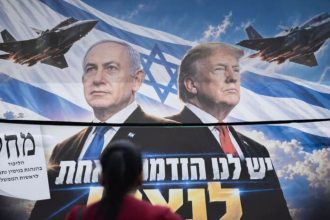

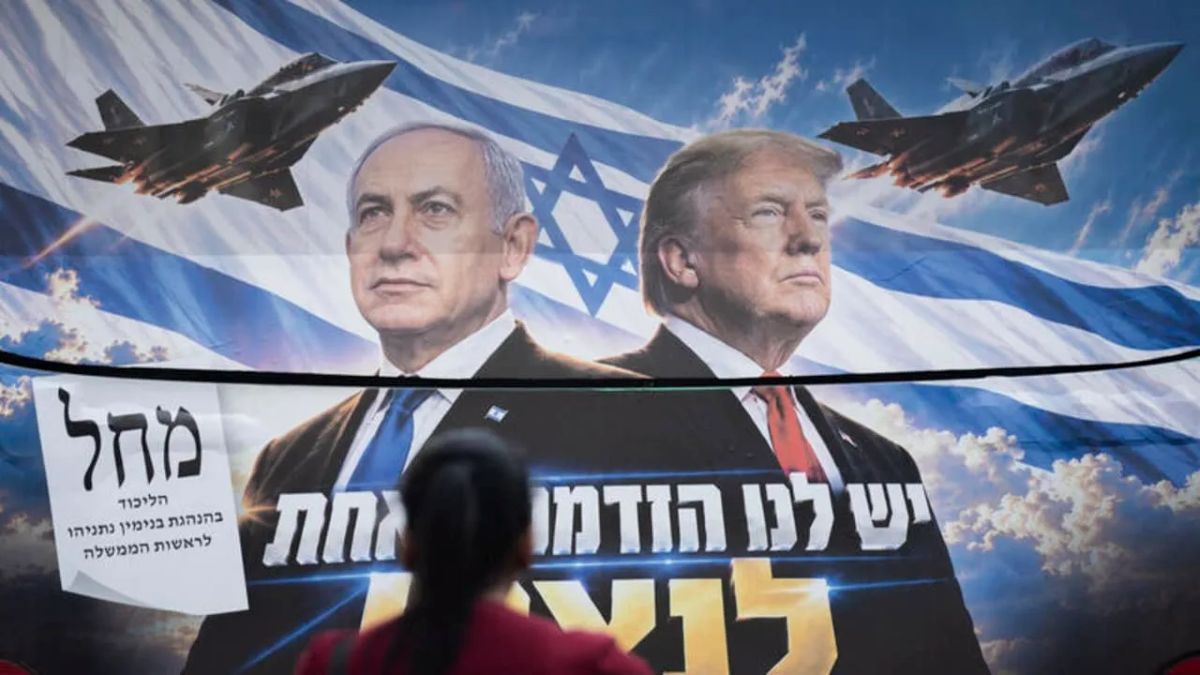

JERUSALEM: Israeli voters choose a new parliament on Tuesday in a close election testing Prime Minister Benjamin Netanyahu’s leadership after the October 7, 2023, attacks and the regional wars that followed.
Opinion polls indicate a tight contest between Netanyahu’s Likud party and its right-wing allies and an opposition bloc led by former military chief Gadi Eisenkot.
Neither side has a clear path to a governing coalition in the 120-seat Knesset. Coalition negotiations could therefore determine who becomes prime minister, even after the votes are counted.
Netanyahu is campaigning on his wartime leadership and relationship with US President Donald Trump, who has endorsed him. His opponents are demanding accountability for the security failures surrounding the Hamas-led attacks.
On Sunday, Netanyahu argued that Trump was prepared to take further action against Iran, but linked that prospect to his own return to office.
Eisenkot accused him of campaigning through “fear-mongering, lies and threats”. He maintained that Trump would cooperate with whichever leader Israeli voters chose.
Netanyahu could again depend on far-right politicians Itamar Ben-Gvir and Bezalel Smotrich to assemble a government. Eisenkot opposes bringing either into his coalition.
However, the opposition faces its own obstacles. Eisenkot has ruled out partnering with Arab parties, although analysts consider their support a possible route to a minority government.
Turnout among Israel’s Arab citizens could influence that arithmetic. Without a party agreement, Netanyahu could remain caretaker prime minister as the country moves toward another election.
Read More: Israel Election Sees Trump Back Netanyahu as Advisers Differ
The vote is Israel’s first since the October 7 attacks. Demands for a national inquiry remain central to the campaign against Netanyahu, while supporters credit his management of the subsequent wars.
Israel’s offensive devastated much of Gaza. Gaza health authorities say Israeli attacks have killed 74,000 people.
Regional security also divides the candidates’ campaigns. Eisenkot has argued that Israel must prevent Iran from obtaining a military nuclear capability, either through force or a diplomatic arrangement.
On Palestinian statehood, however, he opposes a two-state solution. He has also criticised settler violence against Palestinians in the Israeli-occupied West Bank.
Netanyahu faces another challenge at home: a long-running corruption trial he denies. Polling stations are scheduled to close at 10 pm local time, equivalent to 1:00 am PKT on Wednesday.
(With additional input from Reuters and The Associated Press)