

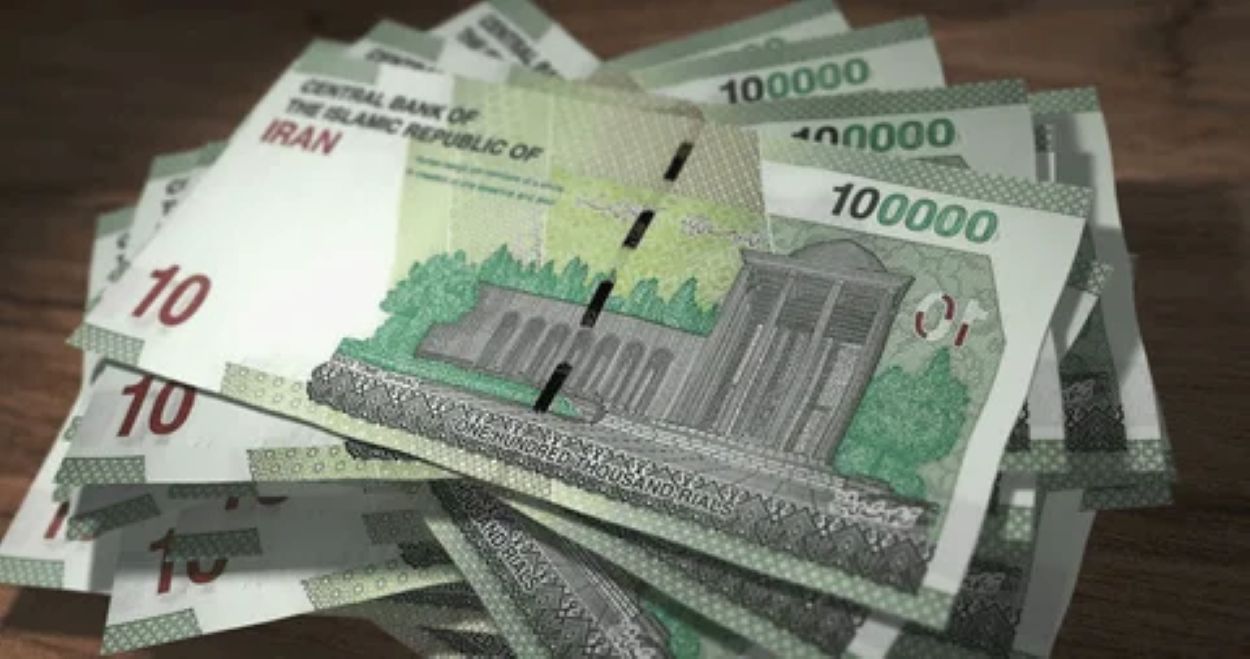

The Iranian rial-to-Pakistani rupee rate remained highly volatile on Tuesday, April 14, 2026, with a significant gap between the global mid-market benchmark and prices reported in Pakistan’s local open currency markets. Currency tracker pages for the IRR-PKR pair continued to show benchmark pricing near 1 Iranian rial = 0.000212 Pakistani rupees, while 1 Pakistani rupee equalled about 4,716.98 Iranian rials.
However, recent reporting from Pakistan described a very different picture on the ground, especially in Karachi and border-linked markets. Pakistan Today reported that currency dealers said the rial had strengthened in Pakistan during the conflict, while Profit said the rise reflected stronger demand for rial cash in Pakistan’s money market rather than a true recovery in Iran’s global currency position.
Iranian Rial to Pakistani Rupee Rate Differs From Street Market
According to recent Pakistani reporting, 10 million Iranian rials were changing hands in Pakistan’s open market for roughly PKR 9,000 to PKR 10,000, far above the value implied by the global benchmark rate. Earlier reporting on April 1 also described a jump from around PKR 2,500 to PKR 10,000 for the same amount in Pakistan’s currency market.
That disconnect matters because the mid-market rate and the street-level rate do not measure the same thing. Global trackers publish reference pricing, while local dealers respond to real-time demand, supply shortages, border trade activity and speculative buying.
Why Pakistan’s Open Market Is Moving Differently
Recent reporting linked the rial’s unusual strength in Pakistan to stronger cross-border demand and speculative positioning. Pakistan Today said dealers pointed to increased trade and investor interest, while Profit argued that undocumented border commerce and the need for rial cash had pushed up the Pakistani street price for the currency.
The same reports said some traders were also betting on a better outcome from US-Iran diplomacy and possible sanctions relief. Even so, Profit stressed that the rial’s global standing remained weak and that Pakistan’s street-market surge did not signal a broader international comeback for Iran’s currency.
Read: Iranian Rial Demand Rises Sharply in Pakistan amid Market Rush
The mid-market rate serves as a benchmark used by global currency platforms. XE’s IRR-PKR chart specifically states that it uses mid-market rates, which do not include dealer margins and may not reflect informal cash trading conditions.
By contrast, Pakistan’s open-market quote reflects what buyers and sellers are actually paying in local trading networks. That is why anyone checking the Iranian rial-to-Pakistani rupee rate should clearly distinguish between the benchmark rate on global trackers and the local open-market price in Pakistan.



