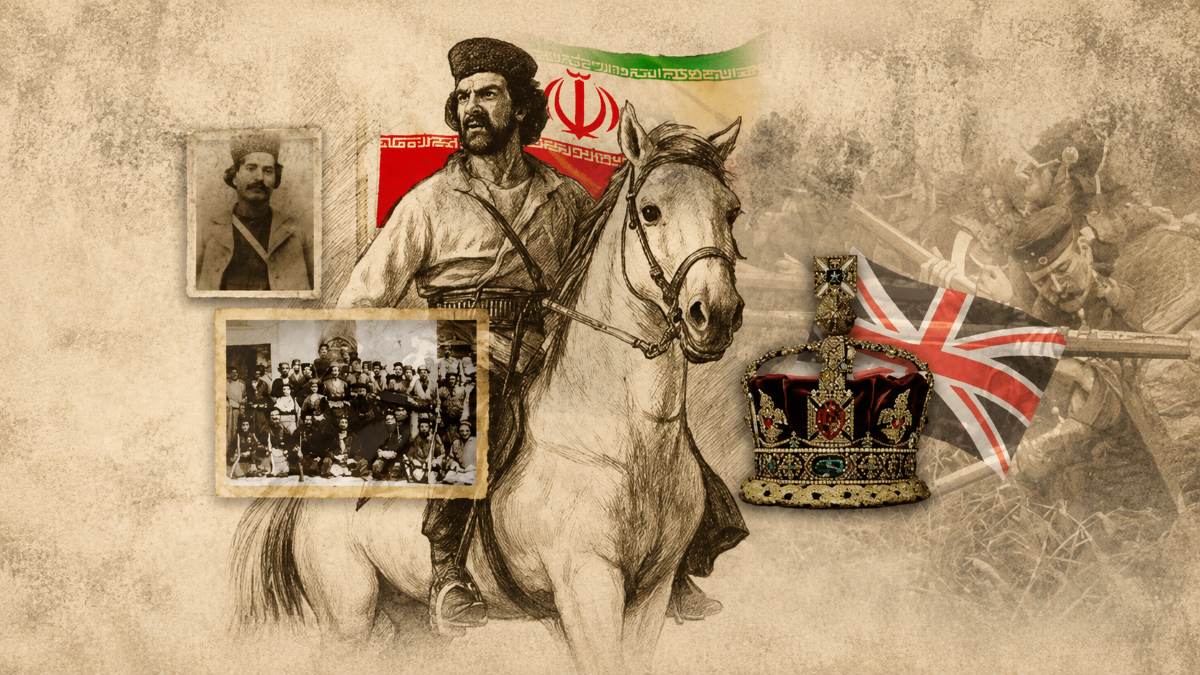

TEHRAN, Iran: Iran marks September 3 as the National Day of Resistance against Colonialism. The day honours Martyred Rais Ali Delvari, who was martyred in 1915 while resisting British forces in southern Iran.
More than a century later, Iran still marks the anniversary of the Martyrdom of Rais Ali Delvari on its official calendar. His followers continued the resistance after his death. Later generations preserved his legacy as a symbol of independence and opposition to foreign domination.
Delvari was born in 1882 in Delvar, Tangestan County, Bushehr Province. During World War I, he emerged as a leading figure among local fighters resisting British forces in southern Iran.
British troops occupied Bushehr in August 1915. Delvari organised fighters from Tangestan and surrounding areas, using local knowledge and guerrilla tactics against a much larger military force.
Delvari was martyred on September 3, 1915, at age 33. He was preparing another operation against British positions near Tangak. His death, however, did not end the campaign.
His followers and allied tribal fighters regrouped under other local leaders and continued operations against British forces.
They became associated with the Daliran-e Tangestan, or Brave of Tangestan, whose resistance later entered Iranian national memory. Iran now observes September 3 as the National Day of Resistance against Colonialism in memory of Martyred Delvari.
His former home in Delvar later became the Rais Ali Delvari Museum. It preserves documents, weapons and other material linked to the resistance.
Read: Khamenei’s Spiritual Legacy Highlighted by Alexander Dugin, Yemeni Writer
Iranian culture also preserved his story through “Daliran-e Tangestan,” a historical television series based on Delvari and the southern resistance.
The commemoration gained renewed political context on September 3, 2026. Iranian Foreign Ministry spokesperson Esmaeil Baqaei invoked Delvari while criticising the U.S. Treasury Secretary, Scott Bessent.
In a post on X, Baqaei referred to Bessent’s story about killing venomous snakes in a South Carolina backyard. Bessent said he used a machete and rake. Baqaei argued that such an analogy failed to reflect the depth of Iran’s history.
Read: Millions Mourn Khamenei Funeral Prayers Held in Tehran
He pointed to Delvari’s death and the resistance that continued afterwards as evidence of Iran’s historical response to foreign pressure.
Baqaei also called current U.S. pressure on Iran a “war of choice.” He said Washington had failed to force the country into collapse.