
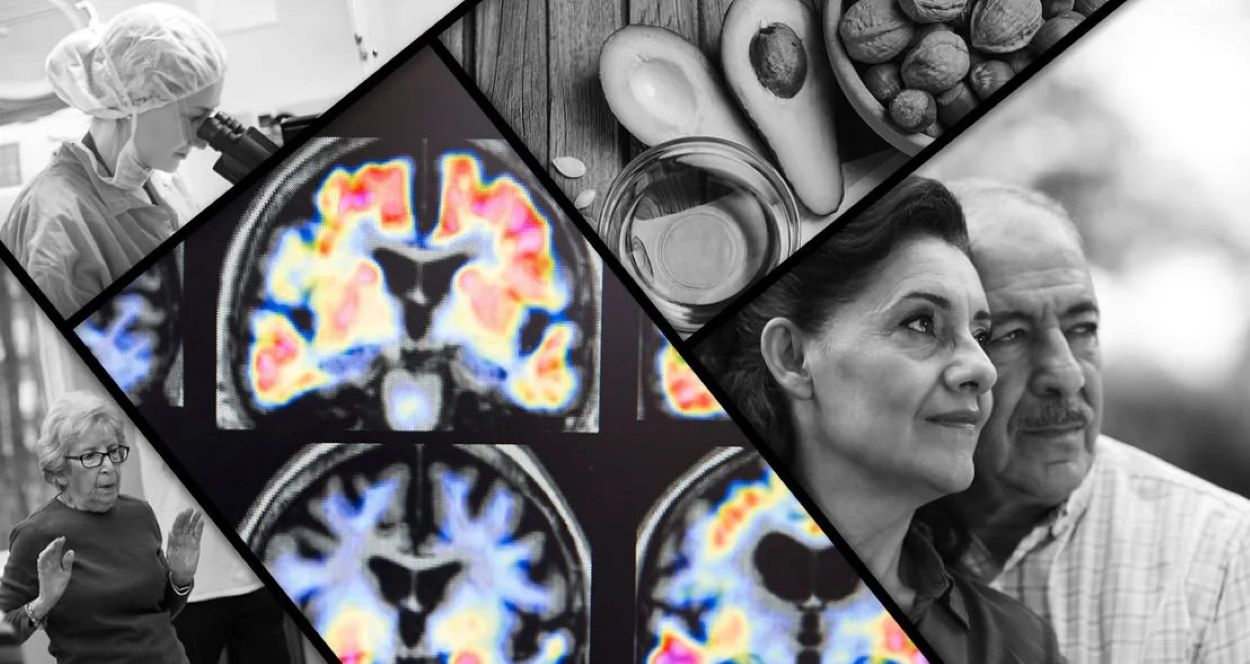

An Alzheimer’s study involving approximately 2.8 million people has identified 48 previously unknown DNA regions linked to the disease, researchers reported in Nature.
Scientists combined genetic data from 30 research groups and identified 127 regions associated with Alzheimer’s risk. The research included 109,479 people with confirmed diagnoses and 74,141 people who reported a parent with the disease.
Researchers also analysed genetic information from people without the disease. Published on October 28, the findings offer new evidence about biological processes involved in Alzheimer’s.
Scientists found genetic signals associated with microglia, immune cells that help remove harmful substances and damaged material from the brain.
Read: Donanemab: A Major Leap in Alzheimer’s Treatment
They also identified links involving specific neuron types and processes associated with amyloid, a protein that can accumulate in the brain.
Meanwhile, researchers estimated that common genetic variants account for approximately 16% of population-level differences in Alzheimer’s risk.
Earlier estimates placed that contribution at about 5%. Researchers linked much of the increase to improved analysis of APOE, a major genetic risk factor. However, the revised estimate does not measure an individual’s likelihood of developing Alzheimer’s.
Study co-author Emil Uffelmann of Vrije Universiteit Amsterdam told Newsweek that genetic risk prediction “remains a research tool, not a clinical one.”
Read: Brain Immune Cells Discovered That Slow Alzheimer’s Disease
Dr Edmundo Rodriguez-Frias, a medical contributor at Retreat of Broward in Florida, said identifying risk-linked genes was an early step towards developing treatments.
Read: Chris Hemsworth Explores Alzheimer’s Risk in Personal Documentary “A Journey to Remember”
Although the findings identify possible drug targets, they do not establish that altering those genes would prevent or treat the disease.
Researchers must now determine which genetic associations directly influence Alzheimer’s and whether targeting them could produce safe, effective treatments.
(With input from Newsweek)