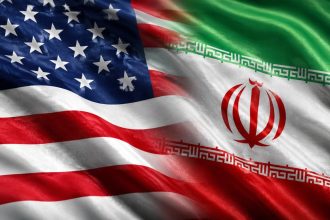


WASHINGTON: US voters increasingly link President Donald Trump’s Iran war and tariff policies to higher living costs as the November 3 US midterm elections approach.
A Reuters/Ipsos poll earlier this month found about 78% of Americans blamed Trump’s policies for price increases outpacing their earnings.
White House spokesman Matt Middleton defended the administration’s approach. He said Trump had warned that the Iran conflict could temporarily disrupt markets.
Foreign policy usually ranks below economic concerns in midterm campaigns. This year, however, voters increasingly connect decisions abroad with household costs. Trump lifted sanctions on Russian diesel exports to lower fuel prices.
He also pressed Kyiv to halt strikes on Russian refineries as he tried to address high US gasoline prices. The president has promised not to order another attack on Iran before the midterms.
Read: Iran War Escalation Could Hit Global Economy, Analysts Warn
Some Republican candidates have distanced themselves from Trump over the Middle East conflict, trade with Canada and pressure on Ukraine.
Polls cited by Reuters show many voters oppose the Iran war and associate Trump’s tariffs with higher costs. A Chicago Council on Global Affairs survey found similar concern about the economic effects of US foreign policy.
Read: US Iran Strikes May Resume After Midterms, Experts Say
Democrats could gain control of the House of Representatives, while the Senate remains competitive. A change in either chamber could complicate Trump’s domestic agenda during the final two years of his term.
Congress may still struggle to limit the president’s freedom to act on foreign policy. Voters will cast ballots in the US midterm elections on November 3.