
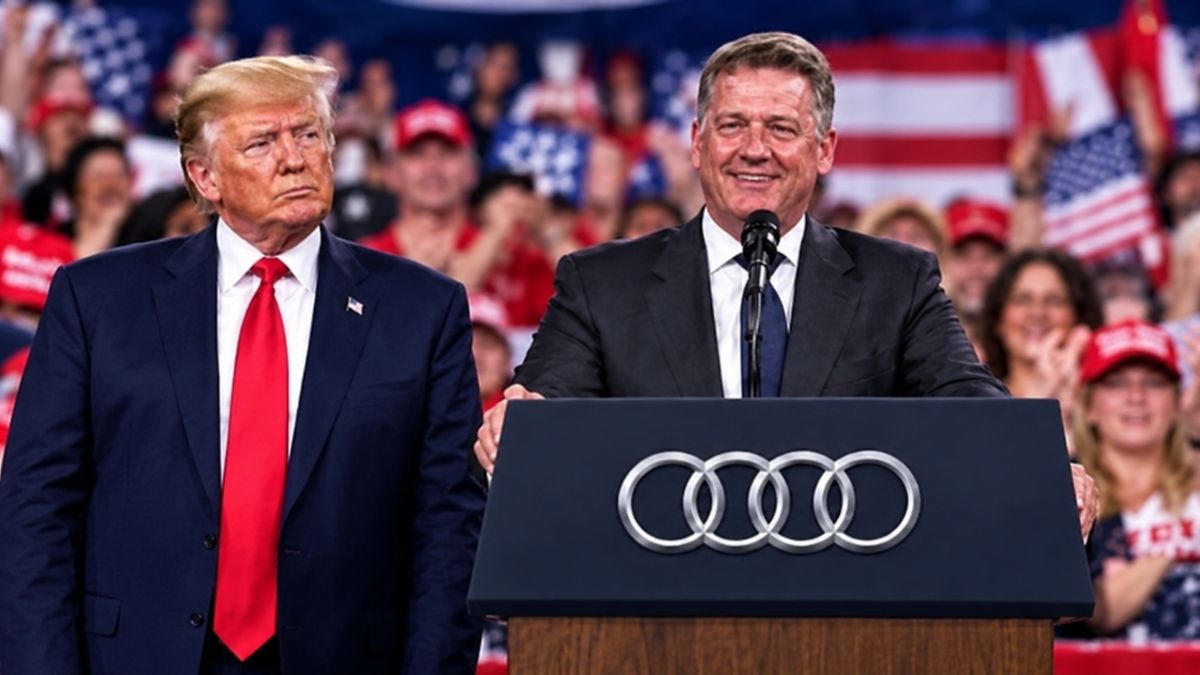

WASHINGTON: President Donald Trump’s preferred Senate candidates lost in South Carolina, North Carolina, Texas and Michigan on Tuesday as Democrats gained control of the chamber in the US midterm elections.
Democrat Annie Andrews defeated Republican Senator Darline Graham in South Carolina, a state Trump carried by 18 percentage points in 2024.
Trump had supported Graham, the sister of the late Senator Lindsey Graham. Her defeat gave Democrats their first Senate victory in the state since 1998.
In North Carolina, former Democratic Governor Roy Cooper beat Michael Whatley, another Trump-endorsed Republican.
The president’s intervention in Texas also ended in defeat. Democrat James Talarico beat Attorney General Ken Paxton, whom Trump backed over incumbent Republican Senator John Cornyn in the primary.
Michigan delivered another setback when Democrat Abdul El-Sayed defeated former Republican Representative Mike Rogers, Trump’s preferred candidate.
Read: Democrats Flipped the House And Senate In The 2026 Midterms
El-Sayed will become the first Muslim to serve in the US Senate. Republican strategist Doug Heye linked the defeats to voter frustration over rising prices, tariffs and the war in Iran.
American University professor Thomas Kahn argued that Trump’s decision to support Paxton had cost Republicans a winnable Texas seat.
Kahn also questioned Trump’s handling of North Carolina, where Republican Senator Thom Tillis declined to seek re-election after clashing with the president over Medicaid cuts.
Read: Bruce Springsteen Backs El-Sayed, Draws Mixed Fan Reaction
Former North Carolina Governor Pat McCrory criticised Trump’s involvement in Republican primaries, arguing that the contests had divided the party.
Trump rejected suggestions that his absence from the ballot contributed to the defeats. Writing on social media on Tuesday night, he claimed Republicans would have won decisively if he had been running.
Read: US Midterm Elections Bring Market Focus to AI Regulation and Debt Ceiling
A senior White House official told Reuters that internal polling had predicted Republican losses weeks earlier. Trump subsequently campaigned nationwide to support the party’s candidates.
With additional input from Reuters and the Associated Press