
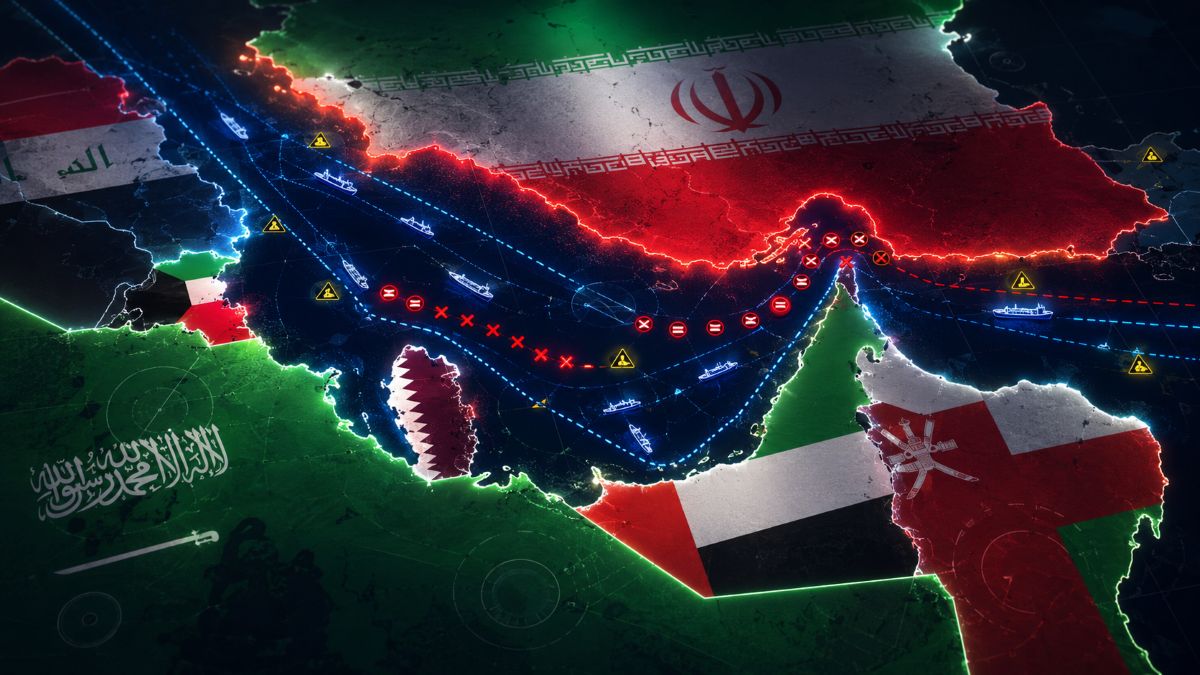

TEHRAN: Iranian Foreign Ministry spokesman Esmaeil Baghaei said on Monday Tehran could implement its Strait of Hormuz plan within two days, but first demanded an end to the US naval blockade.
Iran and the United States are still exchanging messages through Qatar, he said. Deputy Foreign Minister Kazem Gharibabadi travelled to Doha to support the mediation.
Baghaei insisted no agreement could be reached until Washington met Iran’s demands. He described the shorter timetable as a goodwill offer. “The ball is in the US court,” he said.
Baghaei wanted negotiations to build on earlier understandings reached in Islamabad. He accused Washington of accepting Tehran’s terms there and then breaking them.
Among Iran’s demands is the removal of US sanctions imposed under Operation Economic Outcast. Tehran rejects calling its terms preconditions, describing them instead as rights that must be restored.
Baghaei identified Parliament Speaker Mohammad Bagher Ghalibaf as Iran’s negotiator. He confirmed that the team handling the talks had not changed.
Read: Iran Nuclear Talks: Araghchi Says Tehran Reviews Proposals
The briefing also featured US Vice President JD Vance’s letter to Mohsen Rezaei, secretary of Iran’s Supreme National Security Council.
Baghaei dismissed the importance of any change in tone, arguing that Tehran would judge Washington by its actions. Rezaei would choose whether to reply.
Read: Iran Military Doctrine Allows Wider Retaliation, MP Says
On nuclear issues, the spokesman ruled out sending enriched uranium abroad. Iran would honour the Nuclear Non-Proliferation Treaty (NPT) as long as it remained a party, he said.
Tehran had not begun discussing terms for renewed inspections by the International Atomic Energy Agency (IAEA). Baghaei criticised the agency’s chief, Rafael Grossi, for failing to condemn attacks on Iranian nuclear sites.
Read: Iran Uranium Stockpile: IAEA Seeks Access to 440kg
Asked about the US midterm elections, Baghaei rejected any suggestion that Tehran would delay its position until after the vote. He also warned Gulf states against allowing attacks on Iran from their territory.
Although he denied hostility towards neighbouring countries, Baghaei threatened retaliation against anyone helping US-Israeli military action.
With input from Iran International and Anadolu Agency