

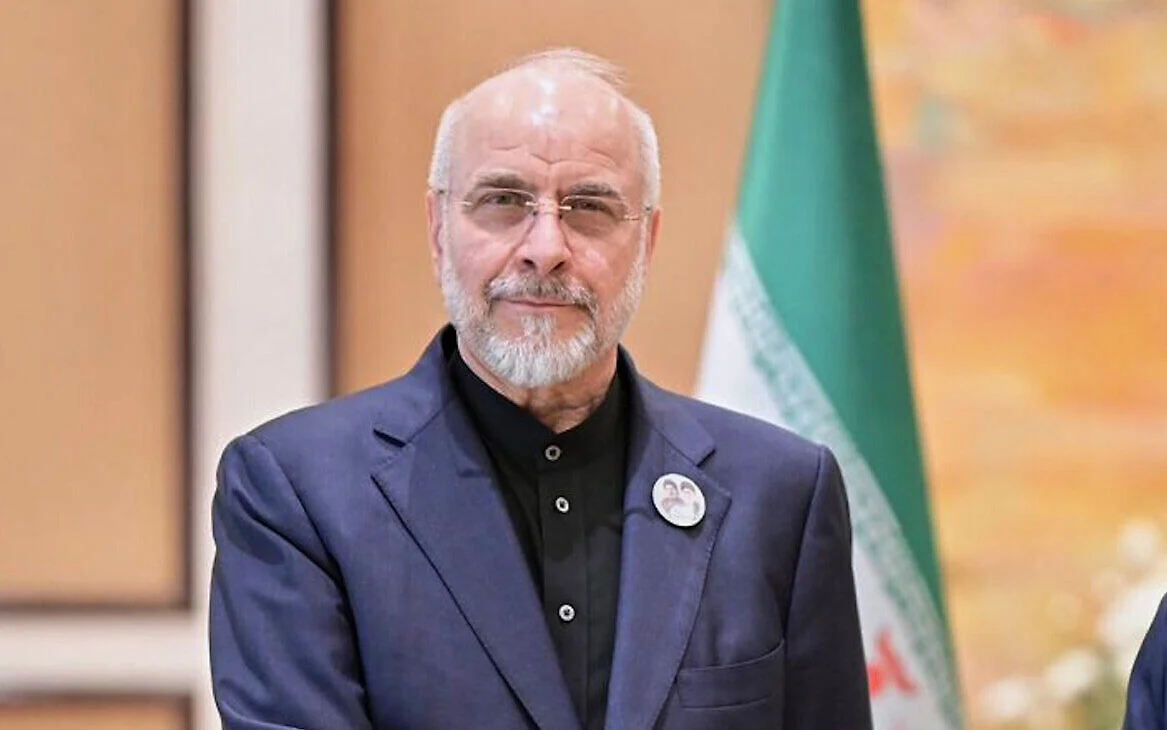

TEHRAN: Conservatives aligned with Parliament Speaker Mohammad Bagher Ghalibaf favour keeping US talks open while preserving Iran’s military and economic leverage, recent commentaries and an interview indicate.
Commentaries published by the conservative newspaper Khorasan on October 18 argue that diplomatic contacts do not remove the threat of renewed fighting.
They portray the Strait of Hormuz as bargaining power Iran should retain during negotiations. A commentary described a seven-day proposal channelled through Qatar that could allow maritime traffic to resume if the parties met specified conditions.
Separately, political analyst Ehsan Salehi, an adviser to former President Ebrahim Raisi, argued that the diplomatic outcome linked to the Islamabad understanding should have been publicly presented as a potential achievement.
He warned against accusing officials of betrayal without evidence when they disagree over negotiations. That approach differs from the more confrontational conservative current associated with the Paydari Front, whose figures have resisted concessions to Washington.
Read: Iran Hormuz Reopening Plan Remains on Table, Araghchi Says
Iranian media reported Wednesday that Parliament Speaker Mohammad Bagher Ghalibaf had met Supreme Leader Mojtaba Khamenei to discuss the latest military and economic developments in Iran’s confrontation with the United States and Israel.
Reformist and pragmatic voices, meanwhile, have emphasised ending the conflict, reducing sanctions and easing economic pressure. Ghalibaf’s political position gives the approach institutional weight but not control over Iran’s war and foreign policy.
Read: Iran-US Agreement: Rouhani and Others Urge Diplomacy
Lawmakers re-elected him as parliament speaker in May with 235 votes, up from 198 when he won the post in 2024. Parliament can shape legislation and scrutinise ministers, but it cannot independently decide on war and peace.
The Supreme National Security Council brings together the presidency, parliament and armed forces, while its decisions require the Supreme Leader’s approval.
Ghalibaf can therefore influence negotiations but cannot guarantee acceptance of a settlement his political allies prefer.