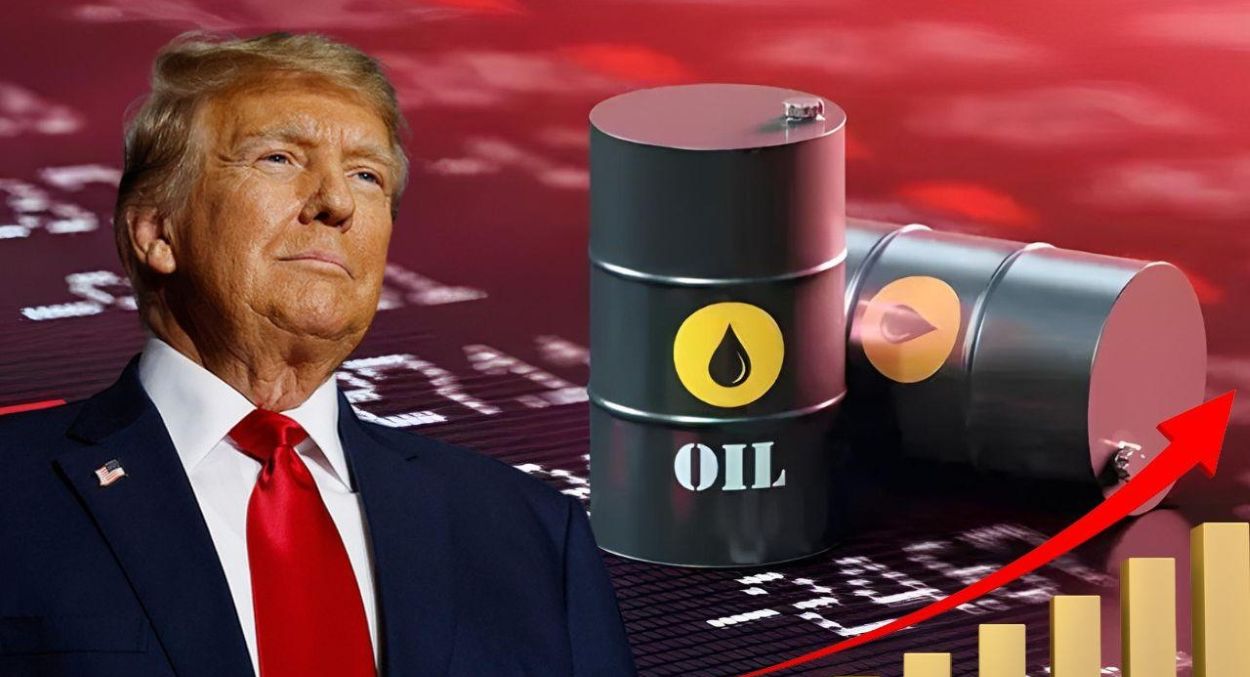

President Donald Trump of the United States issued an Iran reparations demand in Washington, D.C., on Monday, August 10, clouding Middle East negotiations to reopen the Strait of Hormuz.
Reuters reported that Trump said Tehran should compensate Americans killed or wounded by Iran-backed forces and families affected by regional conflicts and Iran’s protest crackdowns.
He instructed US negotiators to add compensation to future talks, according to the Associated Press.
The proposal answered Iran’s demands for compensation over war damage, an end to the US blockade of Iranian ports, sanctions relief and the release of frozen assets.
Iranian Foreign Ministry spokesman Esmaeil Baghaei said Tehran would not reopen the waterway until Washington met its conditions.
Baghaei said talks with Oman over shipping arrangements remained active. Iran and Oman had agreed on a proposed navigation route, but technical and political issues remained unresolved.
Read: Iran Ties Strait of Hormuz Reopening to US Concessions
Oil prices settled about 5% higher as prospects for a near-term agreement weakened. West Texas Intermediate crude gained 5.1% to $82.13 a barrel, while Brent crude rose 5% to $87.7s.
The International Energy Agency says the Strait carried about 20 million barrels of oil products daily in 2025, representing roughly 25% of seaborne oil trade.
Almost one-fifth of the global liquefied natural gas trade also passed through the route. Most shipments were destined for Asia.
Read: Hormuz Reopening Deal: Iran Sets Conditions for US
Trump also cited an unverified figure of 52,000 people killed during Iranian protests. Human Rights Activists News Agency had documented 7,008 confirmed deaths by February, with thousands of cases still under review.
Trump included the 2000 USS Cole bombing among attacks for which he sought Iranian compensation. The Federal Bureau of Investigation determined that al-Qaeda planned and carried out the Yemen attack, which killed 17 US sailors.