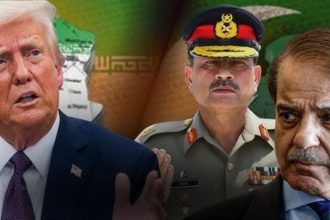



ISLAMABAD: US voters will decide control of Congress on November 3, potentially testing Pakistan’s closer relationship with President Donald Trump and the durability of recent diplomatic gains.
The elections could change congressional oversight of foreign policy, trade and security cooperation. However, analysts differ on how much the outcome might affect Islamabad.
Prime Minister Shehbaz Sharif and Chief of Army Staff Field Marshal Asim Munir have secured high-level access to Trump.
Pakistan has also played a diplomatic role in easing tensions between Washington and Tehran. In July 2025, a bilateral trade agreement reduced US tariffs on Pakistani goods from 29% to 19%.
Memorandums of understanding involving critical minerals, drones and cryptocurrency ventures have followed. Their longer-term economic benefits remain uncertain.
Geopolitical analyst Imran Khan, a former Pakistan country director at the United States Institute of Peace, questioned the material gains.
Read: US: Obama Attacks Trump in Detroit Before Midterm Vote
He told Al Jazeera that closer engagement had increased Pakistan’s diplomatic visibility without delivering comparable direct benefits.
Sanober Institute Executive Director Qamar Cheema offered a broader assessment. Cheema argued that Pakistan’s diplomatic relevance now extends into Middle Eastern security discussions, particularly through its engagement with Iran.
Trump has repeatedly claimed credit for helping end the May 2025 military conflict between Pakistan and India. Islamabad welcomed his involvement, while New Delhi maintains that direct bilateral talks led to the ceasefire.
Looking towards the elections, Khan suggested Democratic control of Congress could place greater emphasis on traditional US alliances and relations with India.
Read: Trump Attacks El-Sayed at US Midterm Rally in Michigan
Cheema instead urged Pakistan to maintain its regional importance regardless of changes in Trump’s political influence. American voters will elect all members of the House of Representatives and roughly one-third of the Senate. Those results will determine Congress’s balance of power for the remainder of Trump’s presidency.