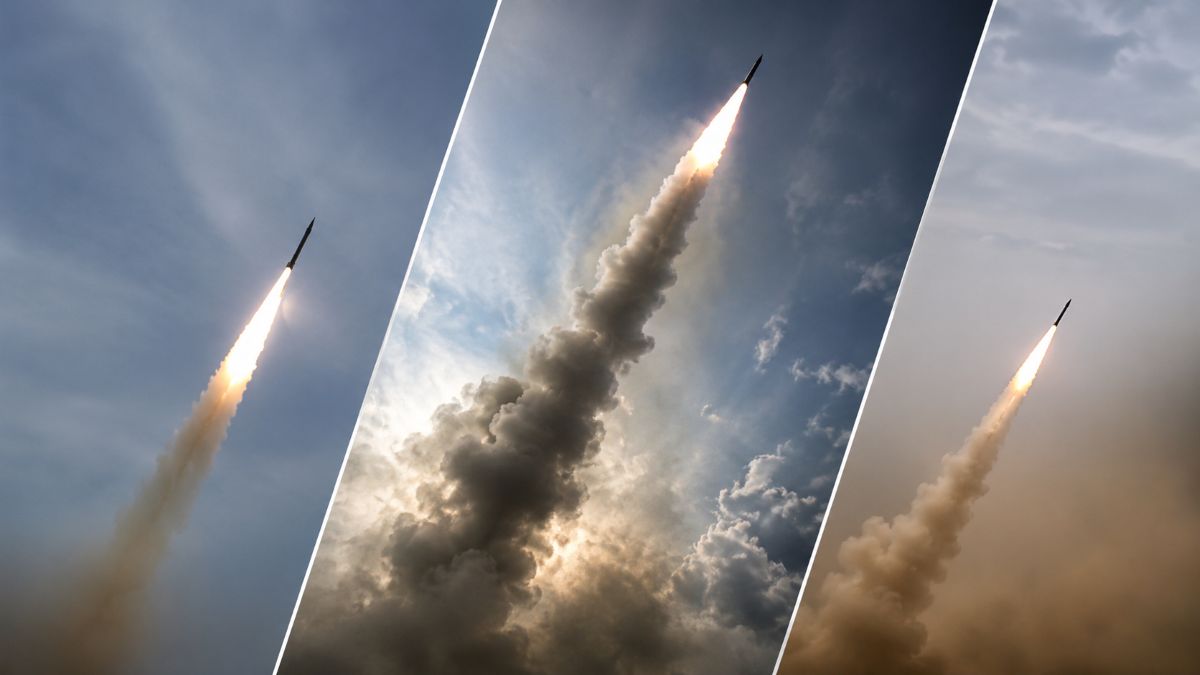

TEHRAN: Iran’s Islamic Revolution Guards Corps (IRGC) says its missile arsenal and production capacity could sustain military operations for several years at their current pace.
Brigadier General Ali Balali, adviser to the IRGC Aerospace Force commander, made the claim in an interview published on Wednesday. He argued that Iran no longer faced resource shortages that previously restricted missile launches.
Balali maintained that Iranian forces could launch as many missiles as operations required, rather than rationing their use. He described equipment at an exhibition as products of domestic development and manufacturing.
Sanctions had failed to prevent advances in missile and drone technology, he argued.
Separately, IRGC spokesperson Brigadier General Hussein Mohebbi told national television on Wednesday that Iranian forces confronted vessels daily in the Strait of Hormuz.
“We are currently at war,” Mohebbi said.
According to his account, forces targeted ships attempting what he described as unauthorised passage. They blocked some smaller vessels from crossing. He claimed the United States had shown no reaction to those operations for some time.
Mohebbi portrayed US forces as fatigued and their regional presence as diminished. Iranian strikes had forced personnel onto aircraft carriers at least 500 kilometres from Iran, he claimed.
He further asserted that the number of US bases in the region had nearly halved. Iranian operations had seriously damaged weapons systems and launch platforms, according to his account.
Read: Trump Says Iran Will Give Up in War With United States
Washington could no longer use its Bahrain command centre as before, Mohebbi maintained. He described personnel and equipment moving instead to Al-Kharj in Saudi Arabia and a facility he called Titan in Jordan.
Those locations remained within Iranian strike range, he argued.
On military decision-making, Mohebbi explained that Iran’s Supreme National Security Council determines major actions. Those decisions require the supreme leader’s permission.
Balali separately described Iranian military planning as operating under the supervision of Supreme Leader Ayatollah Seyyed Mojtaba Khamenei.
(With input from Press TV and IranWire)