

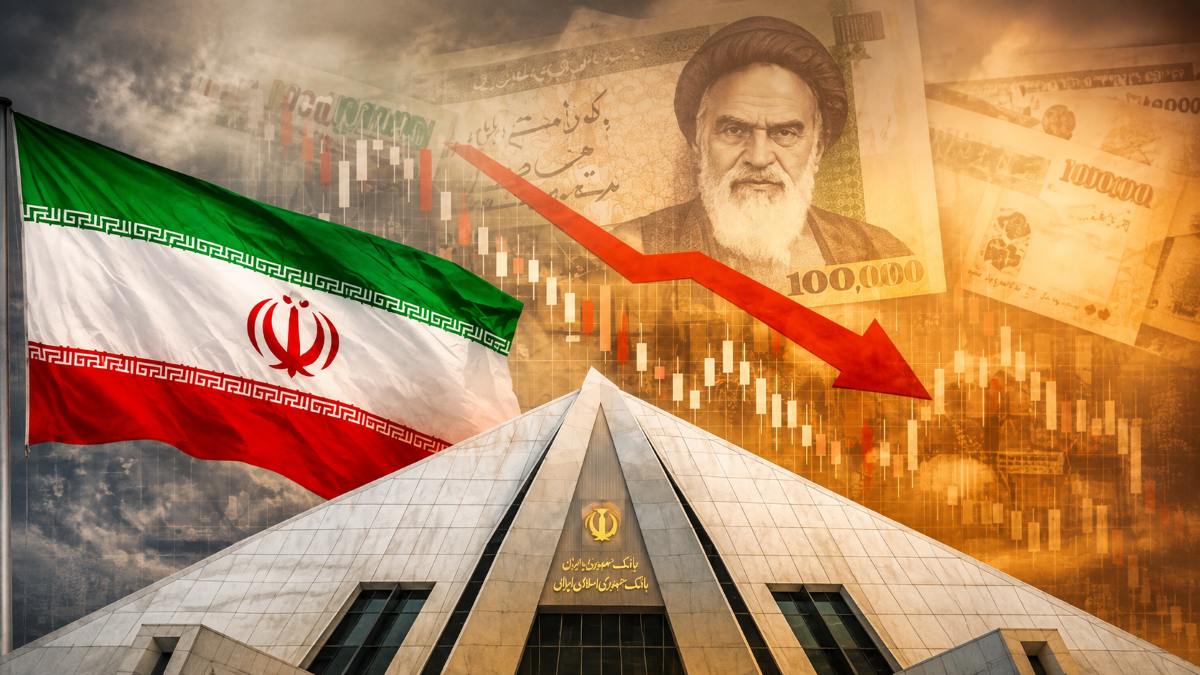

TEHRAN: Former US Treasury official Miad Maleki says Iran faces growing economic pressure as a US maritime blockade cuts oil revenue and limits options for financing imports.
Maleki said cryptocurrency could help with smaller transfers but could not replace oil income used for trade. He argued that authorities can trace blockchain transactions and freeze funds.
That limits crypto’s value for financing trade on a national scale. US Central Command commander Admiral Brad Cooper said the blockade had prevented Iran from exporting at least $25 billion worth of crude oil over 100 days.
Iran initially continued selling oil that had already passed through the Strait of Hormuz. Those supplies remained aboard tankers in international waters.
Read: Iran Shadow Tankers Run Dry Under US Naval Blockade
Kpler analysts said those floating reserves ran out by mid-October. “The economic clock of the Islamic Republic has basically stopped,” Maleki said.
He argued that Tehran had lost access to oil income it previously used to pay for imports. Iran had paid for some goods before the current squeeze, he said.
Other imports continue to arrive through land routes. Maleki expects greater pressure when Tehran must finance new purchases and transport costs without its previous oil income.
Read: Iran War Escalation Could Hit Global Economy, Analysts Warn
He said he could not predict how quickly that pressure would intensify. Former US Treasury official Miad Maleki says Iran faces growing pressure to finance trade as the US blockade restricts oil income and crypto offers limited relief.