
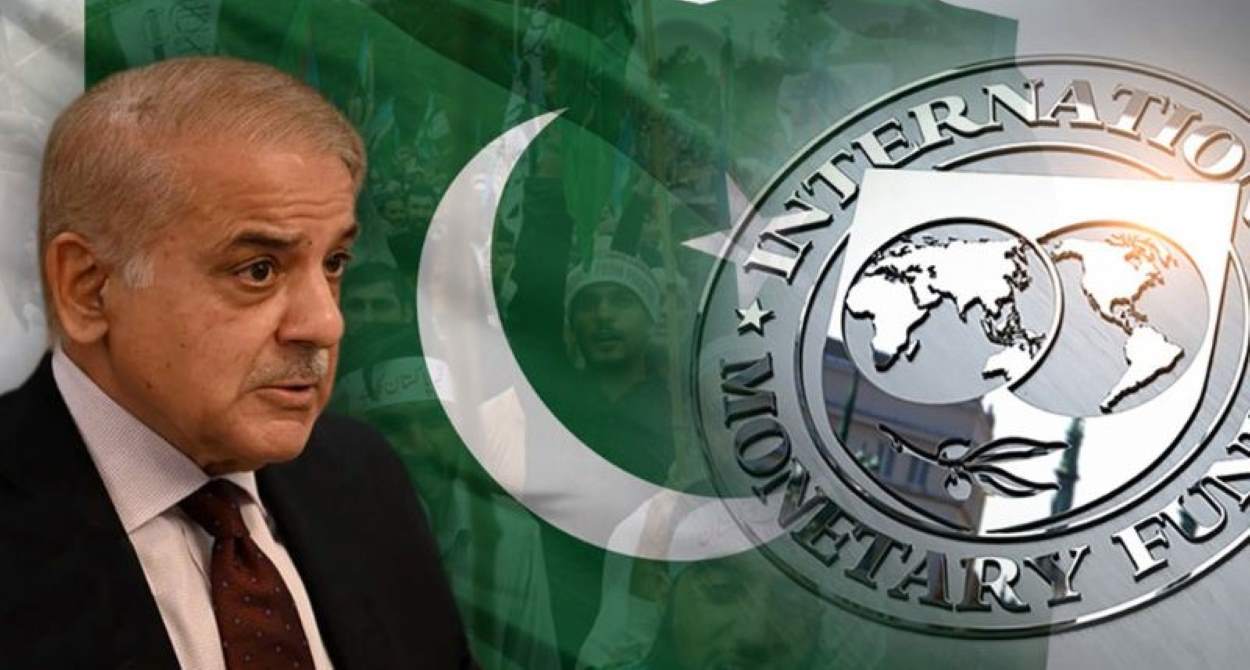

The International Monetary Fund (IMF) has urged Pakistan to phase out its fuel subsidy programme. The IMF also said future assistance should be limited, targeted and time-bound.
An IMF spokesperson told Arab News that any fuel assistance must fit within the FY2026-27 (July–June) budget. The Fund considers the existing scheme’s targeting too broad and has sought to withdraw it gradually.
That requirement formed part of the staff-level agreement reached on October 7, according to the spokesperson. Pakistan had introduced the support programme in September for low-income motorcycle users.
Motorcycle and rickshaw users receive petrol vouchers worth Rs500 per week under the scheme. Vehicles with engine capacities of up to 800cc qualify for a separate discount of Rs100 per litre.
The IMF’s position concerns the breadth and duration of assistance, as well as its budgetary treatment. It calls for a phased withdrawal rather than an immediate end to the benefits.
Pakistan is carrying out economic recovery measures under the Fund’s $7 billion loan programme. As part of its commitments, the country has agreed to align domestic petroleum product prices with international market rates. This was stated by the spokesperson.
Read More: Pakistan Economy: Tax Expert Examines IMF, Inflation Strain
Separately, the spokesperson described the Middle East conflict as a major challenge for Pakistan. This is because of its heavy reliance on Gulf countries for oil and gas imports.
Higher international oil prices have added to inflationary pressures, according to the Fund. However, the inflation figures it cited showed a decline to 9.6 per cent in October. This was down from 10.3 per cent in September.
Continued volatility in global oil prices could affect Pakistan’s economic outlook, the spokesperson warned.
An IMF Executive Board meeting is expected in December, although the spokesperson gave no specific date.
Alongside its subsidy recommendations, the Fund called for Pakistan to maintain macroeconomic stability. It also called for Pakistan to reform state-owned enterprises and improve the energy sector.