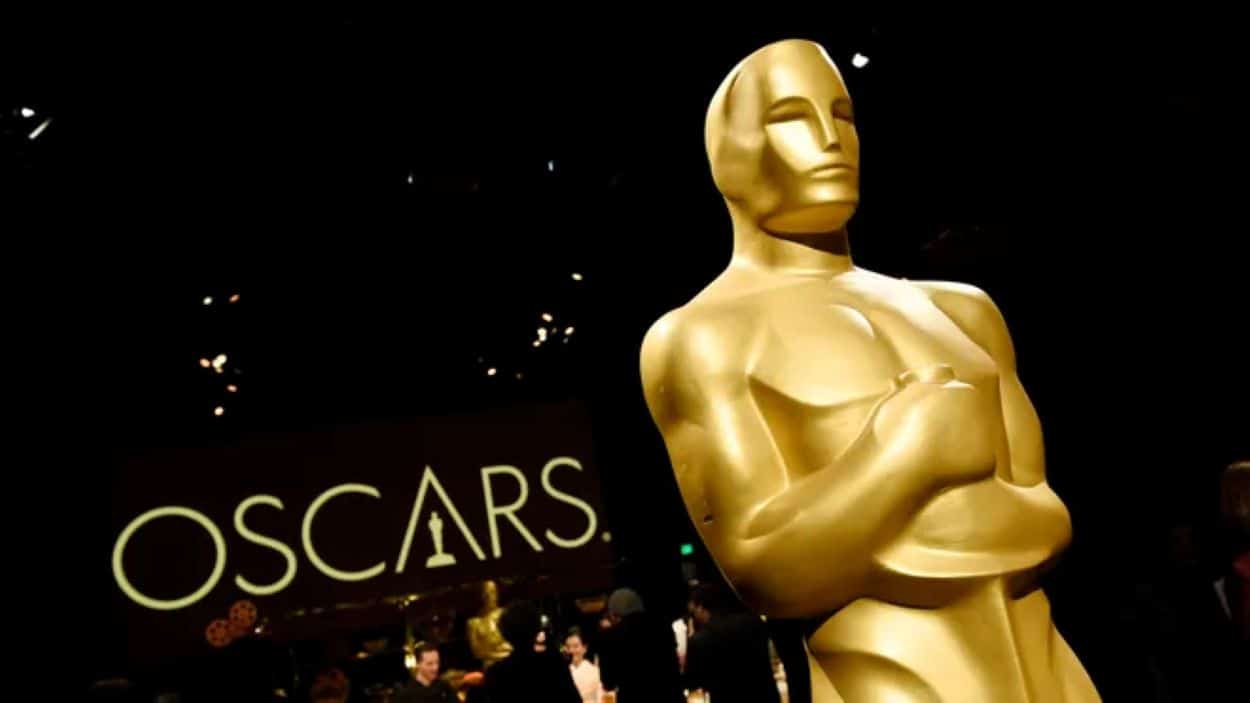

The Academy of Motion Picture Arts and Sciences announced on May 8, 2026, rules for the 99th Oscars (2027), prohibiting AI-generated performances and screenplays and allowing actors to receive multiple nominations in the same category.
The new guidance states that acting nominations apply only to roles “demonstrably performed by humans with their consent,” and screenplays must be entirely human-authored to qualify for Best Original or Adapted Screenplay. The Academy reserves the right to request production documentation to verify human authorship.
Academy officials removed the decades-old restriction that prevented actors from receiving more than one nomination in a single category. Now, performers who earn multiple top-five votes in the same category can receive recognition for each role, aligning acting with categories such as directing and music.
The rules for Best Original Song now clarify eligibility for end-credit music, requiring that submission videos include the last 15 seconds of the film before the credits. International Feature Film entries may qualify either through official national selection or by winning top prizes at major festivals like Cannes, Berlin, Sundance, or Venice, with directors now listed on the statuette alongside the film title.
AMPAS also confirmed a major broadcast change: starting with the 101st Oscars in 2029, the ceremony will stream exclusively on YouTube until 2033, ending its partnership with ABC. The live broadcast will include red carpet coverage and the Governors Ball globally, free of charge.
Additional technical updates affect awards for casting, cinematography, visual effects, and makeup and hairstyling, reflecting the Academy’s effort to modernise rules and safeguard human creativity amid rising AI use in filmmaking.