
ISLAMABAD: The federal government has asked provinces to propose a wheat support price, with Punjab and Sindh suggesting different rates, sources said on Tuesday.
Punjab recommended Rs. 4,200 per maund, while Sindh proposed Rs. 5,000 per maund, according to the sources. Neither proposal amounts to an approved federal rate. The sources quoted Khyber Pakhtunkhwa’s government as saying it buys wheat from Punjab.
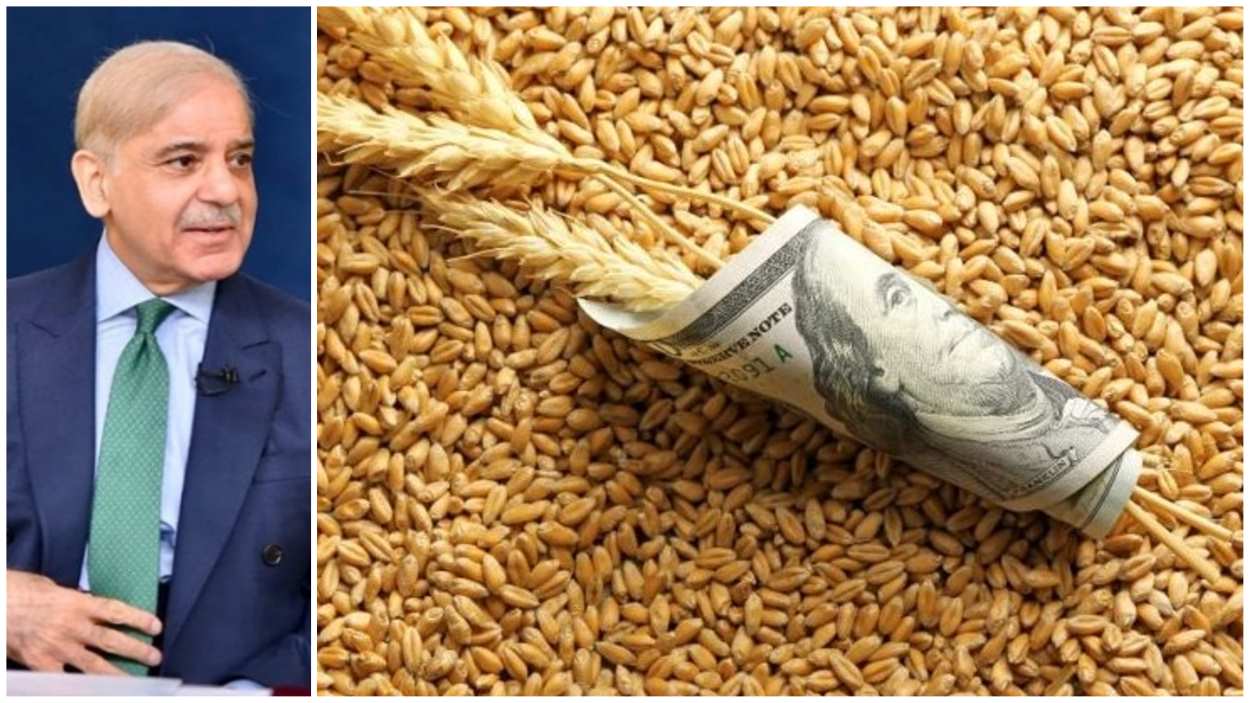
Sources quoted the purchase price of imported grain at US$ 345 per ton. Other expenses brought its cost per maund to the level Sindh proposed, they said.
Farmers complained that buyers paid Rs. 3,500 per maund for local wheat, below the cost of imported supplies. Their objection concerned the difference between payments for domestic grain and spending on wheat from abroad.
The three provinces had requested 750,000 tonnes of wheat in total, according to the sources. Sindh sought 300,000 tonnes, Punjab 250,000 tonnes and Khyber Pakhtunkhwa 200,000 tonnes.
Sources said imports totalled 215,000 tonnes, of which Khyber Pakhtunkhwa received 100,000 tonnes and Sindh received 115,000 tonnes.
Separately, the National Assembly Standing Committee on National Food Security and Research called for a uniform farmer subsidy mechanism on October 1. Committee chairman Syed Tariq Hussain chaired the meeting at Parliament House.
Read: 64,000 Wheat Sacks Missing from Sindh Warehouse in Jamshoro
Members urged the government to finalise the National Wheat Policy 2026–2030 before sowing begins. They argued that decisions after sowing offer farmers little practical value.
During that meeting, the Federal Minister for National Food Security and Research outlined subsidy models under consideration. He told members that provincial consultations would take place within a week, followed by a policy announcement before the sowing season.
Punjab was considering support through the Kissan Card, while Sindh was assisting farmers with holdings of up to 25 acres. Members sought a simple subsidy system accessible nationwide.
Committee members identified rising input costs, inadequate storage and limited subsidies as challenges facing farmers. They urged the government to reduce production costs and ensure timely supplies of fertiliser and other inputs.
Sources described plans to reissue a tender for another 200,000 tonnes of wheat, but gave no date.