

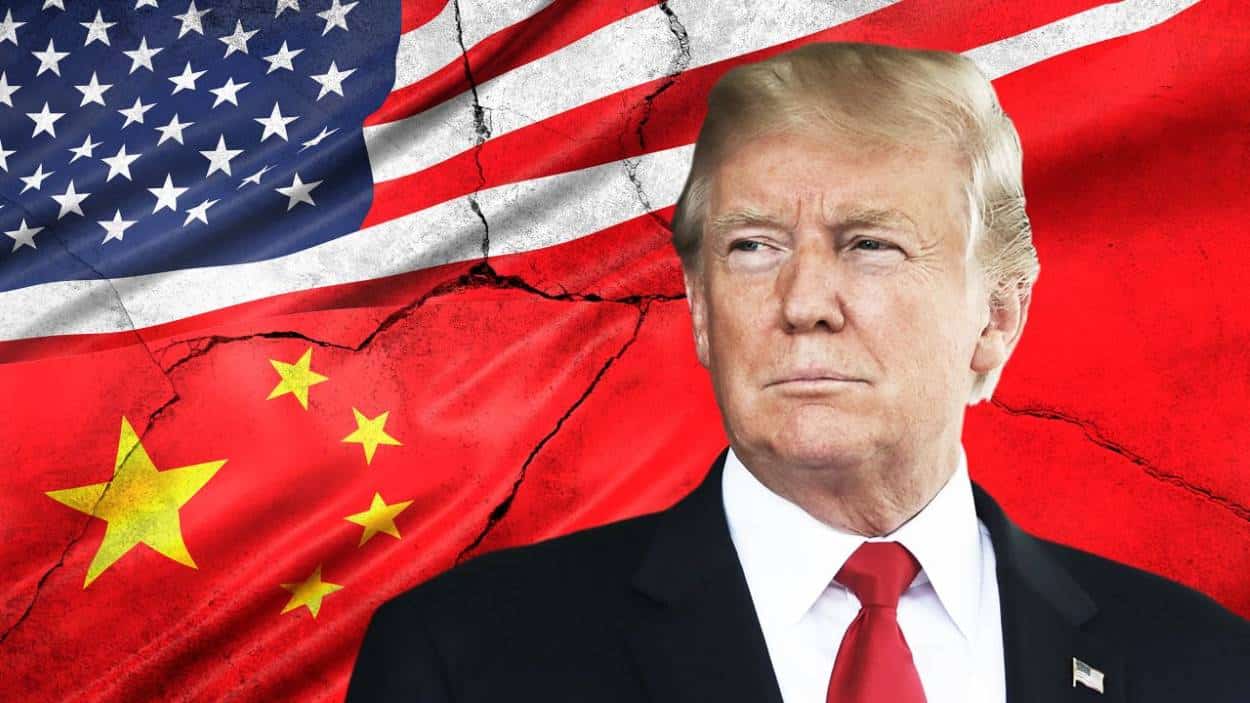

WASHINGTON: The Trump administration proposed tariffs on 14 trading partners on Wednesday, including China, the European Union (EU), and India. The administration cited policies that it claims result in greater manufacturing capacity than the market can support.
U.S. Trade Representative Jamieson Greer announced the proposals after investigations under Section 301 of U.S. trade law. His office has completed findings in 14 out of 16 investigations, with results for Mexico and Norway still pending.
In response, China’s Foreign Ministry spokesperson Guo Jiakun rejected the U.S. assertion of excess manufacturing capacity and urged the United States to resolve trade disputes through dialogue.
The European Commission also dismissed the claim of structural overcapacity in Europe, noting that its trade agreement with Washington includes an overall tariff ceiling of 15%.
Proposed rates by trading partner
| Trading partner | Rate under consideration |
|---|---|
| China | Up to 20% on goods outside the notice’s annexes and up to 10% on goods in Annex A. Annex B lists exemptions. |
| European Union | 15%, taking standard US duties and existing Section 301 tariffs into account |
| Japan, South Korea, Switzerland and Taiwan | Up to 15%, taking standard US duties and existing Section 301 tariffs into account |
| Bangladesh, Cambodia, Indonesia, Malaysia and Thailand | Up to 18% |
| India | Up to 25%. A qualifying trade agreement could bring the rate to 17%. |
| Singapore | Up to 20%. A qualifying agreement or other negotiations could bring the rate to 10%. |
| Vietnam | Up to 35%. A qualifying trade agreement could bring the rate to 20%. |
The notices list product exemptions and detail how existing duties would count towards the proposed rates. A senior US official told Reuters the proposal could add duties to roughly 25% tariffs that Washington imposed on some Chinese goods during President Donald Trump’s first term.
In a separate trade case, Greer’s office proposed a 10% duty on finished aircraft from Brazil and changes to duties on certain raw and refined sugar imports.
Read More: Pakistan Auto Policy Nears Launch With EV, Tariff Reforms
The Nasdaq Composite fell 3.2% in midday trading on Wednesday as technology shares slid. A Reuters/Ipsos poll found that 62% of respondents supported repealing Trump’s existing tariffs.
The trade representative’s office will accept written comments and requests to testify until January 5, 2027. Public hearings begin on January 25, 2027.
(With additional input from the Associated Press and The Guardian.)