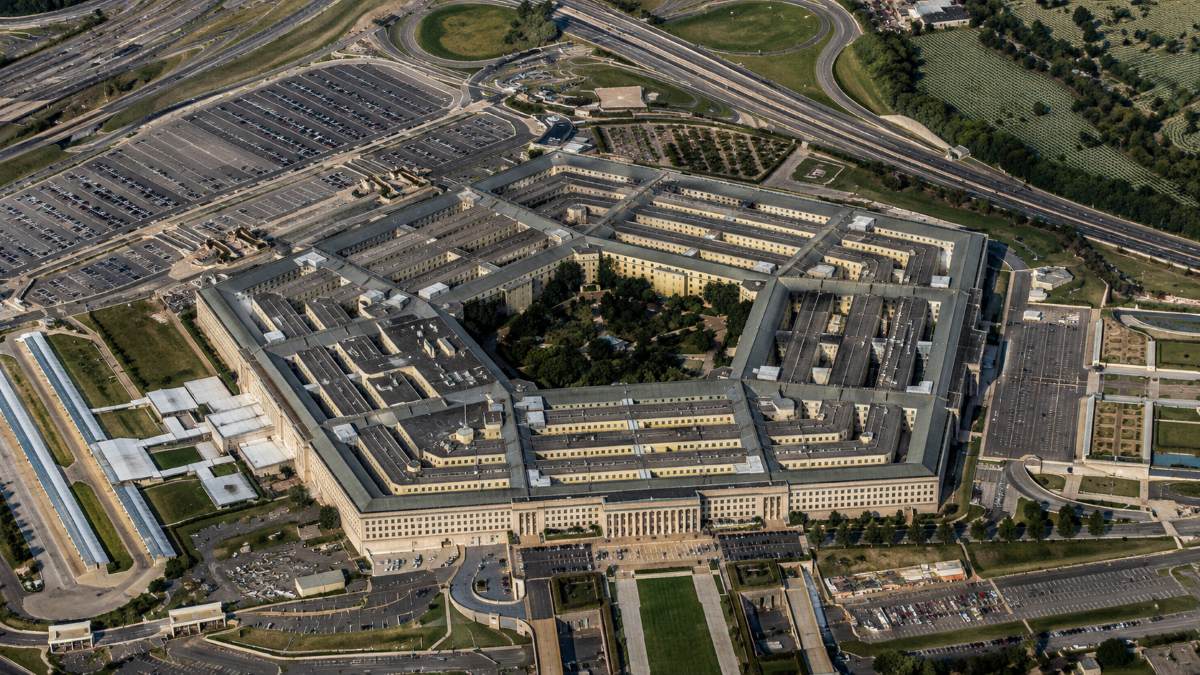

WASHINGTON, DC: The Pentagon has given US defence companies 21 days to propose faster weapons deliveries and greater production capacity. The directive comes as the Iran war strains US missile stocks.
Deputy Defence Secretary Steve Feinberg issued the memo on August 5. The Washington Post obtained the document and reported its contents on August 8.
The memo sought ambitious delivery schedules, facility expansion plans and the fastest possible production timelines for critical weapons. Moreover, Feinberg said development cycles lasting several years were no longer acceptable.
Pentagon chief spokesperson Sean Parnell confirmed the memo’s authenticity. He said the responses would shape the department’s fiscal 2028 budget proposal to Congress. In addition, the proposals would support efforts to rebuild the US defence industrial base.
However, President Donald Trump disputed suggestions that the United States lacked sufficient weapons. He said Thursday that the country had large quantities of munitions and was receiving more supplies.
Read: Iran Strikes: US Senator Todd Young Urges Bombing Halt
In July, the Centre for Strategic and International Studies estimated that Patriot interceptor inventories had fallen below 1,000. It put Terminal High Altitude Area Defence stocks at about 250 after extensive use during the Iran conflict.
Meanwhile, the department announced framework agreements with Northrop Grumman on August 3. The agreements aim to triple Patriot Advanced Capability-3 production and quadruple THAAD component output.
However, such frameworks only establish intended procurement terms. They remain distinct from funded production contracts.
Read: US Munitions Stockpile Leaks Prompt Trump Investigation
Separately, the US government awarded Lockheed Martin a seven-year contract action valued at up to $58.62 billion on July 29. The company said the arrangement would support a threefold increase in PAC-3 capacity by the end of 2030.
The House of Representatives passed a $1.15 trillion fiscal 2027 defence policy bill by 216-212 on July 22. However, the Senate version remained stalled.
The legislation would authorise spending. Congress would still need to approve separate appropriations before providing the funds.