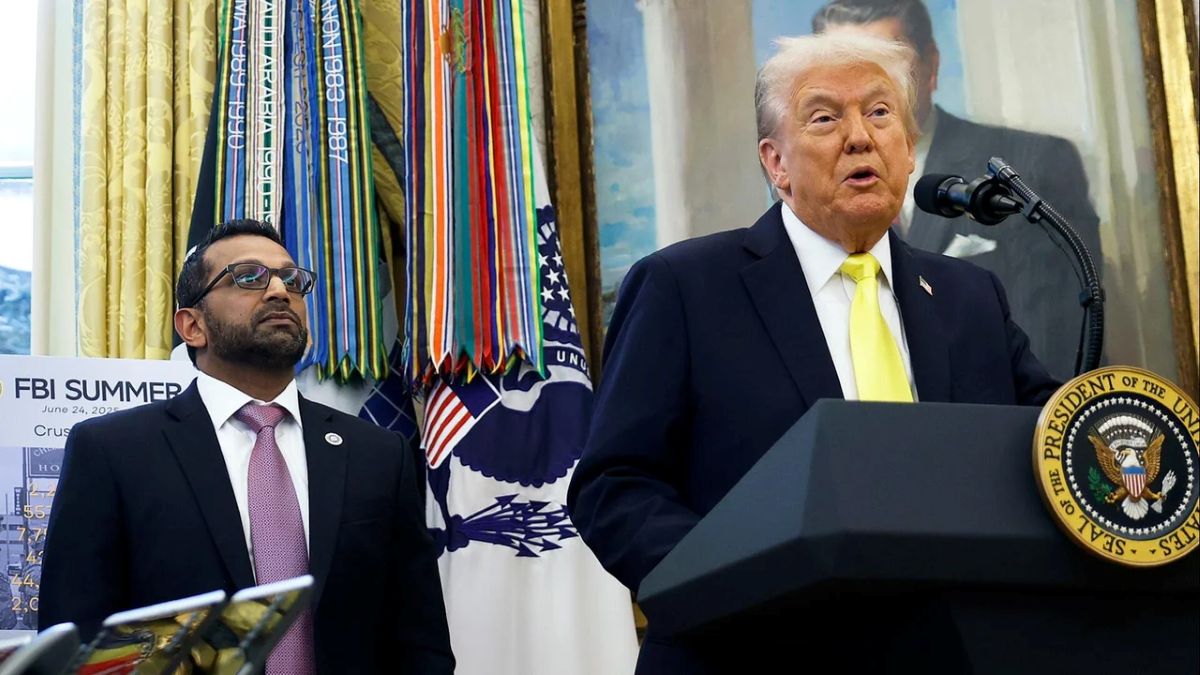

US President Donald Trump has rejected Iran’s peace plan to reopen the Strait of Hormuz and halt regional fighting within seven days, unnamed US officials told The Wall Street Journal on Friday.
Officials described Trump as sceptical that Tehran would meet his demands. They said he had told aides he expected another bombing campaign after November’s congressional elections. Reuters could not immediately verify that account.
Iranian Foreign Minister Abbas Araghchi outlined the proposal to reporters at the United Nations (UN) in New York on Friday. He confirmed that Qatar had passed the plan to Washington.
Under Tehran’s proposal, an agreement would start a seven-day countdown to reopening the waterway and pausing hostilities across the region, including Lebanon. In return, Washington must lift its blockade of Iranian ports, release frozen Iranian funds and waive oil sanctions.
Trump has reportedly rejected Iran’s seven-day ceasefire proposal as Washington and Tehran continue indirect nuclear talks amid tensions over the Strait of Hormuz
Tehran's proposal would involve reopening the Strait of Hormuz@JyotsnaKumar13 has more pic.twitter.com/QnKlfR1zSS
— WION (@WIONews) September 26, 2026Araghchi said Iran was ready to proceed if the US showed willingness to reach an agreement. Broader negotiations on subjects accepted by both sides could follow.
A US official separately described discussions through mediators as positive and constructive.
Diplomatic efforts at the UN General Assembly follow repeated attempts to end the conflict, which began with US and Israeli strikes on February 28. Fighting has disrupted oil shipments through the strait.
Read: Iran War Sends Brent Above $105 as Red Sea Risks Rise
Separately, Saudi Arabia’s defence ministry confirmed that Pakistani and Turkish defence officials met in Riyadh on Friday to review regional security. Their discussions covered intelligence cooperation, military coordination and integrating forces.
Saudi, Pakistani and Turkish foreign ministers had met a day earlier under the Mecca Joint Defence Alliance framework.