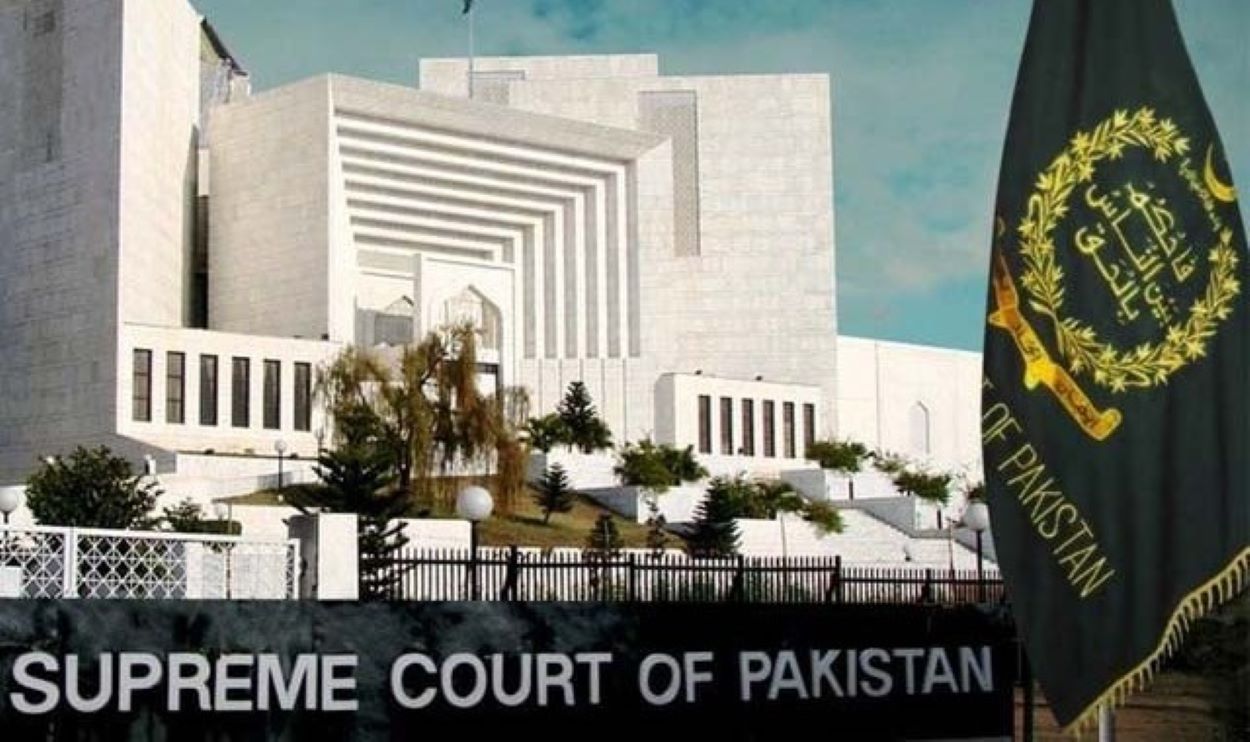

A Full Court meeting of the Supreme Court of Pakistan, presided over by Chief Justice Yahya Afridi, has discussed and overwhelmingly rejected a proposal for the en masse resignation of judges. The meeting was convened last week to discuss the judiciary’s response to the recent resignations of two senior judges and the passage of a constitutional amendment.
According to sources, approximately 13 of the court’s 23 judges attended the meeting held in the CJP’s chamber. The session was called in the wake of the resignations of Justices Mansoor Ali Shah and Athar Minallah. Several judges, including those nominated to the newly established Federal Constitutional Court, were absent.
The meeting began with judges expressing concern over the recent resignations and the need for a unified institutional stance regarding the 27th Constitutional Amendment. During the discussions, some judges proposed writing a formal letter to the government on behalf of the Full Court.
Read: Supreme Court Rules Absconder Status Doesn’t Bar Civil, Service Rights
Chief Justice Afridi responded to this suggestion by emphasising open dialogue, stating, “My doors are always open for everyone. I don’t think it’s the right thing to write a letter to the government.” He further elaborated on the court’s constitutional role, highlighting its power of judicial review to examine legislation, while questioning the authority to prevent Parliament from legislating.
Despite the CJP’s position, several participants continued to insist on a strong institutional response. At this point, a senior judge proposed that the only definitive “institutional response” would be the resignation of all Supreme Court judges, including the Chief Justice.
This radical proposal was met with disagreement from the majority of the judges present and was ultimately rejected. Following this decision, the meeting proceeded with its agenda and approved the Supreme Court Amendment Rules of 2025.