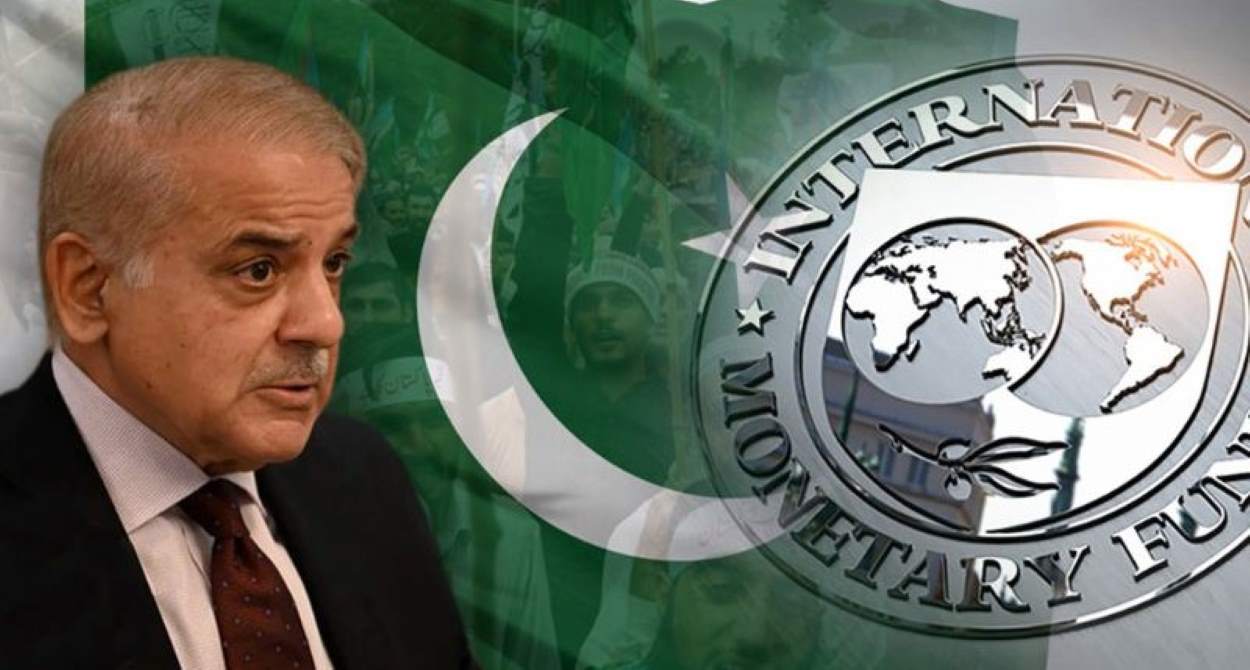

The federal government has formally invited key economic ministries to submit proposals. These proposals should identify potential concessions from the International Monetary Fund (IMF) to remove structural barriers to economic growth. The aim is to introduce greater realism into the national budget framework.
According to government sources, the decision was taken at the highest level following a comprehensive review of the country’s economic landscape. The assessment concluded that the current economic structure lacks the capacity to attract meaningful foreign investment. It also fails to deliver sustainable long-term growth.
Finance Minister Muhammad Aurangzeb held the first round of consultations with economic ministries on Thursday. During the meeting, he asked them to submit detailed proposals outlining a future economic roadmap. The aim is to evaluate whether the suggested measures can be implemented before the upcoming budget. Alternatively, these measures should be incorporated directly into it.
Read: IMF Rejects Pakistan’s Proposal to Remove 18% GST
These discussions are taking place while Pakistan remains under the IMF programme, which runs until September 2027. At the same time, a parallel exercise has begun to explore long-term options. This aims to exit the IMF framework once the current $7 billion bailout package expires.
Sources said that once the proposals are received and refined, the government may present them to the IMF for review and approval. A friendly country has reportedly assured Pakistan of its support at the Fund. This support is particularly for measures that officials believe are constraining growth and weakening economic rationality.
To streamline the process, the finance ministry has circulated a detailed proforma to all economic ministries. They have been asked to propose reforms to achieve sustainable growth, supported by macroeconomic analysis. Each ministry must explain how its recommendations would contribute to higher economic output and stability.
Read: IMF Projects Pakistan GDP at Rs193.6tn by 2030, Flags Export Shortfall
The ministries have also been instructed to state the fiscal impact of their proposals clearly. This includes outlining any required subsidies and assessing the potential effect on tax revenues.
However, officials acknowledge that securing IMF approval will be challenging. The Fund is closely monitoring Pakistan’s performance under the three-year programme, which includes 64 separate conditions. While a prime ministerial panel has proposed tax relief worth Rs1 trillion to stimulate economic activity, the IMF has so far shown reluctance to approve even limited tax exemptions. This includes exemptions on essential items such as contraceptives.