
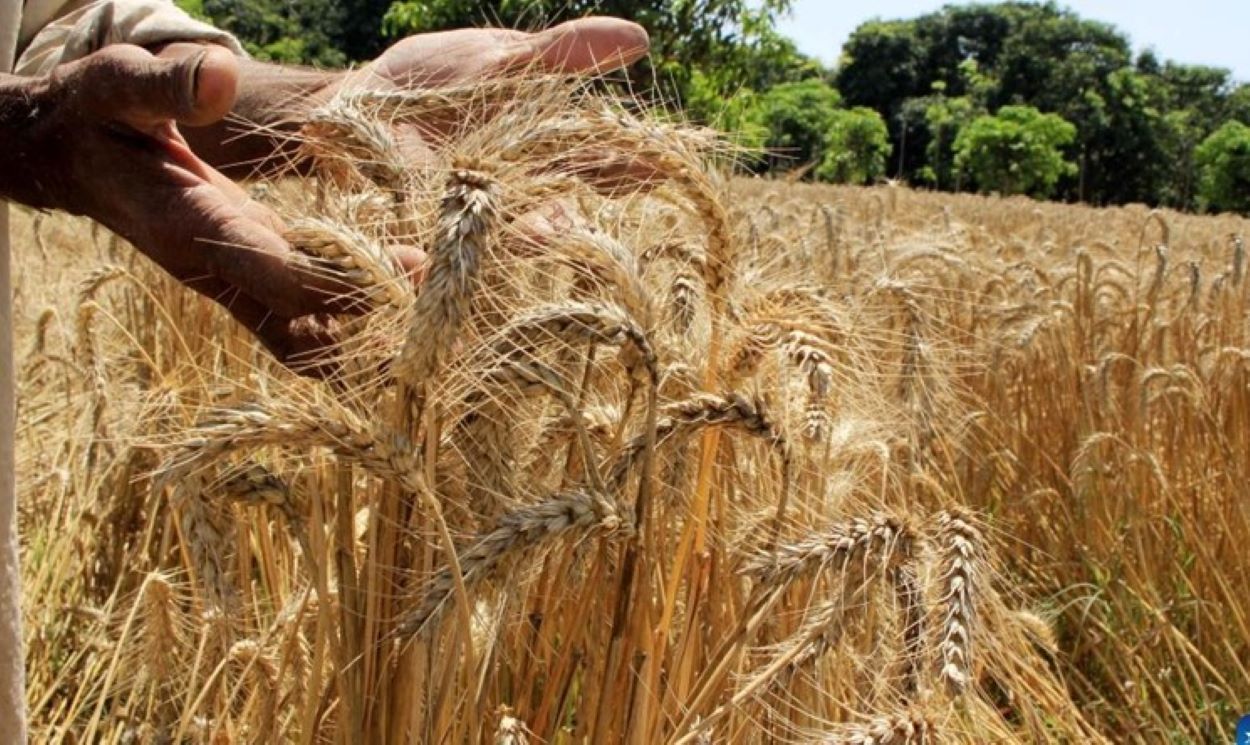

MURMANSK: Russian exporters began loading wheat for a planned 29,500-tonne Arctic shipment on Wednesday as attacks disrupted Black Sea trade. Wheat exports fell 38% year on year from July to September.
Murmansk Commercial Seaport is testing the route to North Africa, using facilities adapted from fertiliser handling. The port confirmed that an initial 3,400 tonnes had arrived by rail.
Russian rail freight company Rusagrotrans recorded a decline in exports despite a stronger harvest. Fastmarkets found that freight rates on some Black Sea routes had more than doubled since mid-July. Ukrainian drone attacks have disrupted Russian ports and commercial shipping.
Exporters have redirected cargo through Baltic terminals and inland waterways connecting the Sea of Azov with the Caspian Sea. Arkady Zlochevsky, president of the Russian Grain Union, warned that northern routes would cost considerably more.
He estimated that Baltic ports could replace no more than half of the lost southern export volumes by year-end. Rail congestion has compounded the problem. Ukraine faces similar difficulties after Russian attacks.
Ukrainian Agriculture Minister Taras Vysotskyi said alternative routes could handle only about half of normal agricultural exports. They include the Danube and overland connections through neighbouring European countries
Vysotskyi estimated additional transport costs of at least $50 per tonne. Ukrainian maize prices at inland warehouses have fallen almost a fifth in three weeks.
Russian farmers are receiving lower returns too. Andrey Sizov, managing director of agricultural consultancy SovEcon, said domestic prices remained well below production costs.
Read: Russian wheat shipments dock in Karachi
Turkey proposed separate safe shipping corridors for Russian and Ukrainian vessels. Russian President Vladimir Putin dismissed the proposal.
Global wheat prices have eased since reaching a three-year high in late August, although freight costs remain elevated. Zlochevsky warned that falling farm earnings could leave growers without enough money for winter sowing, threatening next year’s harvest.