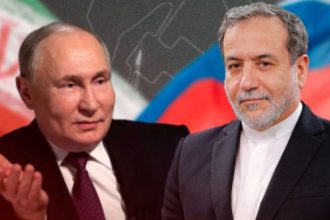

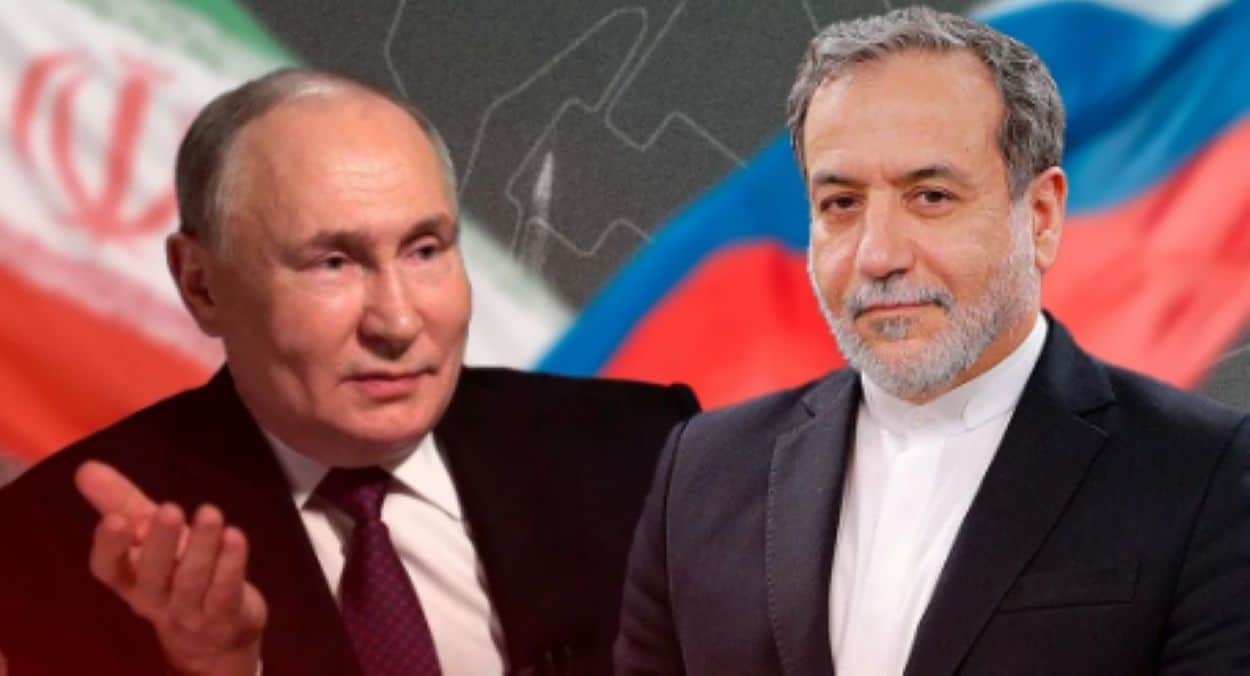

MOSCOW: Russian President Vladimir Putin discussed strategic cooperation with Iranian security chief Mohsen Rezaei on Monday, while analysts assessed the limits of Russia and China’s support for Tehran.
Iranian state media said their conversation covered regional developments and continued cooperation. Neither side announced new military commitments. Rezaei serves as secretary of Iran’s Supreme National Security Council.
The Wall Street Journal previously reported that US Vice President JD Vance had approached Rezaei about restarting negotiations with Tehran.
Middle East Institute senior fellow Alex Vatanka said Putin’s unusual outreach could reflect Rezaei’s growing influence over contacts with Washington.
Vatanka argued that Moscow would support Iran only while avoiding a direct military confrontation with the United States.
China remains a major economic partner. It buys most of Iran’s exported oil, and the countries signed a 25-year cooperation agreement in 2021.
On Saturday, Iranian political analyst Rouhollah Amin Saeedi claimed Chinese diplomats had prepared for possible political collapse during January’s protests.
Speaking on Iranian state television, Saeedi also argued that neither Moscow nor Beijing wanted Iran to acquire nuclear weapons.
Read: China, Russia and Iran Launch BRICS Plus Naval Drills in South African Waters
Vatanka offered a different assessment. He suggested Russia might tolerate a nuclear-armed Islamic Republic rather than see a pro-Western government replace it.
Chatham House analyst Aniseh Bassiri Tabrizi argued that Tehran increasingly views Moscow as essential to its military survival, reconstruction and future deterrence.
Read: Russia Sanctions Waiver: Trump Cites US National Interest
Russia has reportedly supplied intelligence and military assistance to Iran. Tehran previously provided Moscow with drones and production technology for its war in Ukraine.
Carol R. Saivetz of the Massachusetts Institute of Technology and Kimberly Marten of Barnard College warned that Russian support could weaken as circumstances change.
Writing in Lawfare, they identified possible shifts in the Ukraine war, Iran’s economy and negotiations over the Strait of Hormuz. Russian Foreign Ministry spokeswoman Maria Zakharova called for renewed diplomatic efforts on Monday.
With input from Iran International, Chatham House and Lawfare