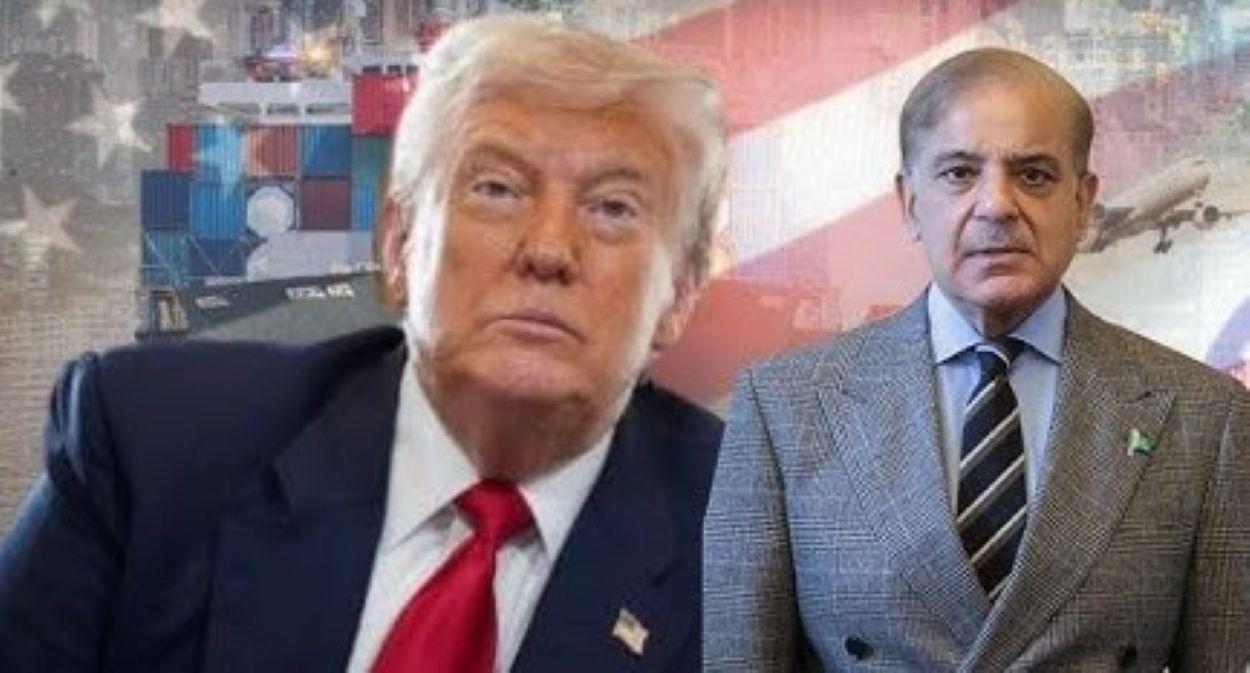

Pakistan is focusing on its Middle East diplomacy, with Prime Minister Shehbaz Sharif emphasising Islamabad’s contributions to regional stability.
During a meeting in Islamabad, PM Shehbaz met with Chinese Ambassador Jiang Zaidong amid rising tensions over the ongoing US-Israel-Iran conflict.
Recent developments suggest Pakistan is actively facilitating back-channel diplomacy between Washington and Tehran.
Senior officials, including military leadership, have engaged with US counterparts to support communication efforts. Reports indicate that Pakistan, along with Turkiye and Egypt, helped relay messages between both sides over the past 72 hours.
There are also indications that Islamabad could host a high-level meeting between the United States and Iran, with US Vice President JD Vance expected to attend if plans move forward. Pakistan’s diplomatic push comes amid growing concerns about the war’s regional impact.
Officials warn that prolonged conflict in Iran could spill over into Pakistan. At the same time, the country has already experienced fuel supply disruptions linked to the crisis. These risks have increased Islamabad’s urgency to support de-escalation efforts.
During the meeting, Prime Minister Shehbaz thanked the Chinese leadership for their continued support and Pakistan Day greetings. He reaffirmed Pakistan’s commitment to advancing CPEC 2.0, with a focus on agriculture, industrial cooperation, and infrastructure development.
Ambassador Jiang praised Pakistan’s economic resilience and reform efforts, while reiterating Beijing’s support for trade and investment cooperation.
Read: Pakistan Rejects Sentencing of Kashmiri Leaders Sentencing, Raises Concerns
Both sides expressed satisfaction with ongoing engagements and agreed to strengthen coordination on key issues. They also looked forward to marking the 75th anniversary of diplomatic relations with high-level exchanges and joint initiatives.
The meeting reinforced the enduring Pakistan-China All-Weather Strategic Cooperative Partnership, which remains central to Islamabad’s economic and foreign policy strategy.
Pakistan has publicly offered to host peace talks to resolve the conflict. This move aligns with shifting international dynamics, as global and regional actors seek to prevent further escalation. As diplomatic efforts intensify, Pakistan’s role as a mediator continues to expand, positioning the country as a key player in stabilising the Middle East.