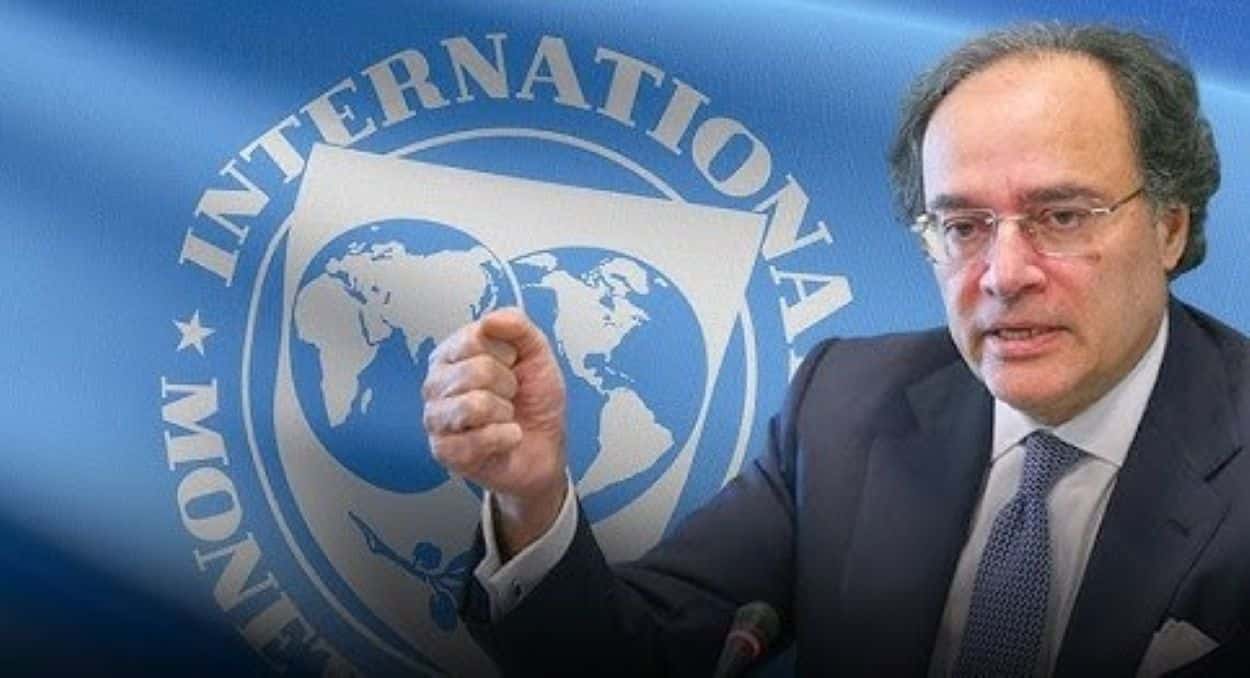

The negotiations over Pakistan’s IMF tax targets have intensified as the Federal Board of Revenue (FBR) prepares for key discussions with the International Monetary Fund.
According to sources, the FBR aims to secure a reduction of Rs50–100 billion in its annual tax target. The move comes as officials review revenue performance and economic indicators ahead of formal talks.
On the directives of Prime Minister Shehbaz Sharif, preparations for the negotiations have accelerated. The prime minister has instructed that no new taxes be imposed until June 30 and that the FBR meet its revenue goals without introducing fresh levies or presenting a mini-budget.
During the Pakistan IMF tax target negotiations, discussions will focus on tax data from July to January. Revenue performance will be examined in relation to inflation trends and overall economic growth.
Read: Pakistan IMF Governance Action Plan Targets Corruption, High-Risk Agencies
Sources indicate that authorities are seeking to revise the annual tax target downward from Rs13,979 billion to Rs13,879 billion. The IMF will also be briefed on additional revenue generated through the super tax decision.
Between July and January, the FBR collected Rs7,147 billion against a target of Rs7,521 billion. This resulted in a shortfall of Rs 372 billion during the period under review.
A special session with the IMF will assess tax collection in the context of GDP growth and inflationary pressures. Officials expect super tax collections to reach Rs217 billion during the current fiscal year.
Authorities are also hopeful that increased consumer spending ahead of Eid will strengthen sales tax revenues in the coming weeks.
The outcome of these negotiations could influence fiscal planning for the remainder of the fiscal year, particularly as the government seeks to balance revenue targets with economic stability.