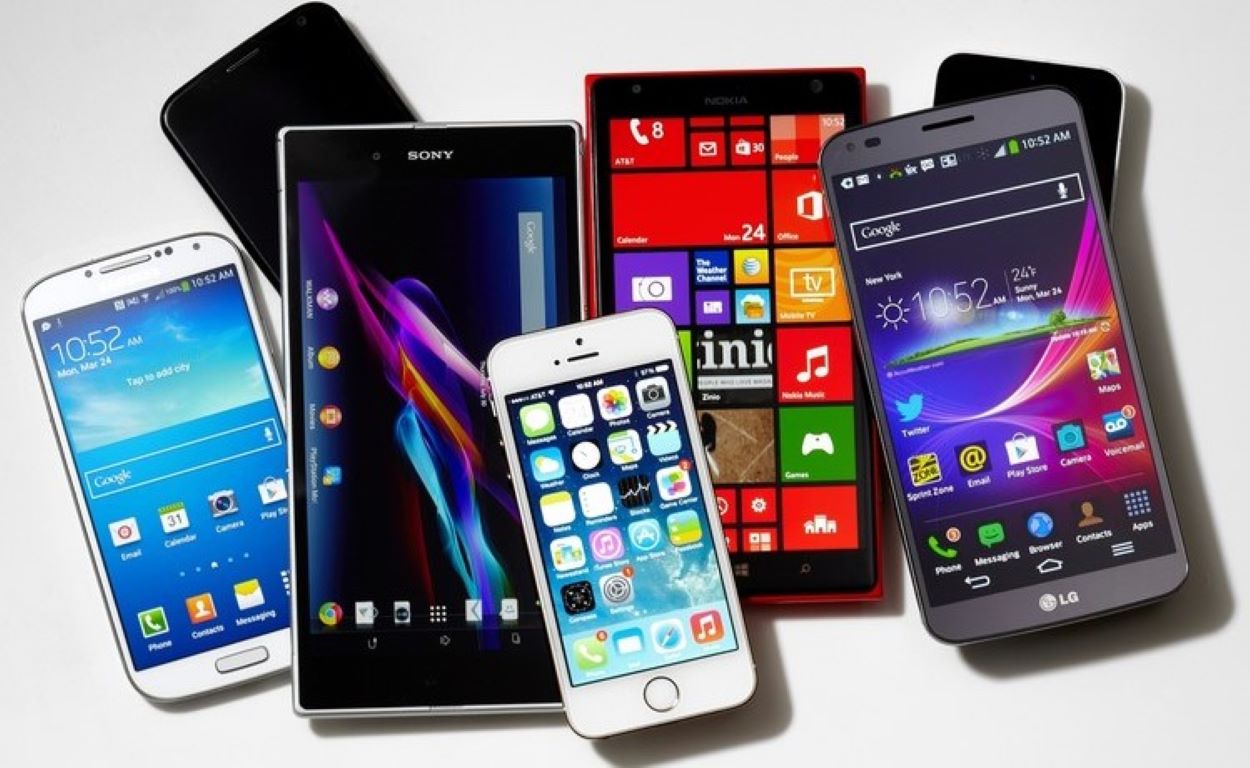

The federal government has decided to ban the import of used mobile phones under the Mobile and Electronic Devices Manufacturing Policy 2026–33 to strengthen local production and encourage foreign investment.
According to media reports, the Ministry of Industries and Production announced the policy on Monday.
The Engineering Development Board has developed the framework in collaboration with local mobile phone manufacturers. Officials say the policy seeks to attract leading global brands to Pakistan and support export-led growth through domestic manufacturing. The policy’s design draws on successful models from India, Vietnam, and Bangladesh.
The policy was presented at a high-level meeting chaired by the Prime Minister’s Special Assistant on Industries and Production, Haroon Akhtar Khan. At this meeting, participants reviewed the objectives, progress, and implementation strategy.
During the briefing, officials highlighted the economic advantages of local assembly over importing fully assembled mobile phones. They emphasised that domestic production can help reduce import dependence, lower costs, and generate employment.
Addressing the meeting, Haroon Akhtar Khan said the policy’s primary goal is to create jobs and strengthen Pakistan’s industrial base. He stressed that sustainable growth requires long-term investment in local manufacturing capacity.
Under the policy framework, mandatory export targets have been declared ineffective. Officials cited the auto sector as an example, noting that rigid export conditions often fail to deliver results. While export-quality certification has been made mandatory, authorities plan to facilitate compliance rather than enforce it through penalties alone. The policy also proposes establishing government-backed local testing laboratories to support manufacturers.
Read: FBR Considers Tax Reduction on Used Mobile Phones for Overseas Pakistanis
Performance-linked penalties have been introduced, and the EDB has been directed to define minimum component requirements for assembly operations. Under the new rules, smartphone SKD kits must include at least 40 components. Meanwhile, feature phones must include at least 15.
The policy also proposes formalising valuation rulings through a structured mechanism involving the EDB, the Pakistan Mobile Phone Manufacturers Association, and the Customs Valuation Directorate. To curb under-invoicing, it recommends placing both fully built units and locally manufactured mobile phones under the Third Schedule of the sales tax regime.
In addition, the framework suggests maintaining a minimum tariff gap of 30 percent between CBU and SKD imports. Authorities are also considering extending the Tax Increment Financing levy to both import categories. The policy identifies e-waste management as a complex challenge. It calls for a cautious, well-planned strategy to address environmental concerns linked to electronic waste.