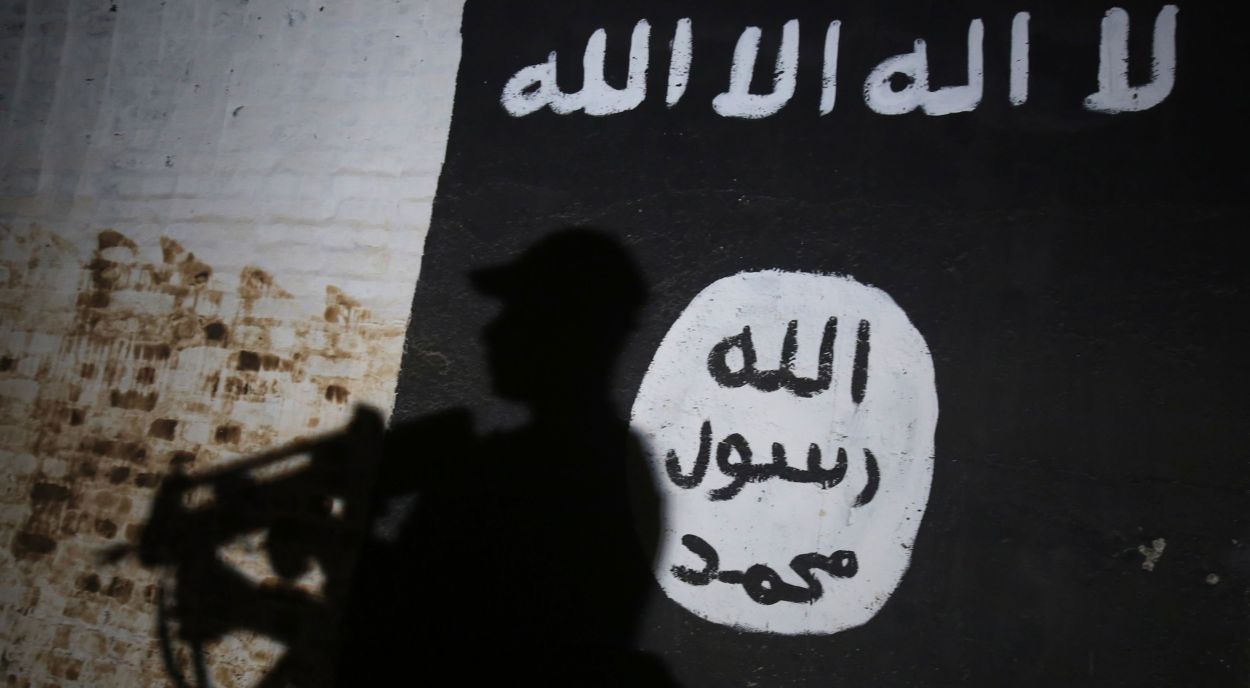

NEW YORK: The ISIL threat in Africa remains acute as affiliates use AI, drones and digital finance, the UN warned. The United Nations Security Council reviewed the threat on August 5.
The meeting examined the 23rd report of the Secretary-General, S/2026/638, on the Islamic State and UN counter-terrorism work.
The July 31 report said military pressure had weakened central command and senior leadership. However, affiliates still exploit fragile states and long conflicts through dispersed networks.
UN officials said the threat remained particularly acute across the Sahel and Lake Chad Basin. Islamic State West Africa Province remains the group’s most active affiliate worldwide, they said. It has also expanded its use of commercial drones.
ISIL-Khorasan also remains among the group’s strongest branches. Officials said it could support or inspire attacks beyond Afghanistan.
Read: ISIL rakes in $half a billion a year from oil business
Affiliates also remained active in the Democratic Republic of the Congo and Mozambique. Carmen G. Cantor of the Counter-Terrorism Committee Executive Directorate addressed the group’s use of technology.
She said extremists used AI tools for propaganda, recruitment, fundraising and operations. Cantor also cited encrypted messaging, gaming platforms and social media during the Security Council meeting.
Officials urged stronger controls on digital assets, drones and online platforms. They also called for better intelligence-sharing, border checks and financial investigations.
Read: Ex-interior minister Rehman exhorts UN chief to thrash out strategy against ISIL
They said every response must follow international human rights and humanitarian law. Pakistan’s UN Ambassador Asim Iftikhar Ahmad said ISIL-K remained a serious concern in Afghanistan.
He accused armed groups of using Afghan territory to recruit and attack Pakistan. Ahmad urged tighter borders and action against funding through digital wallets and cryptocurrencies.