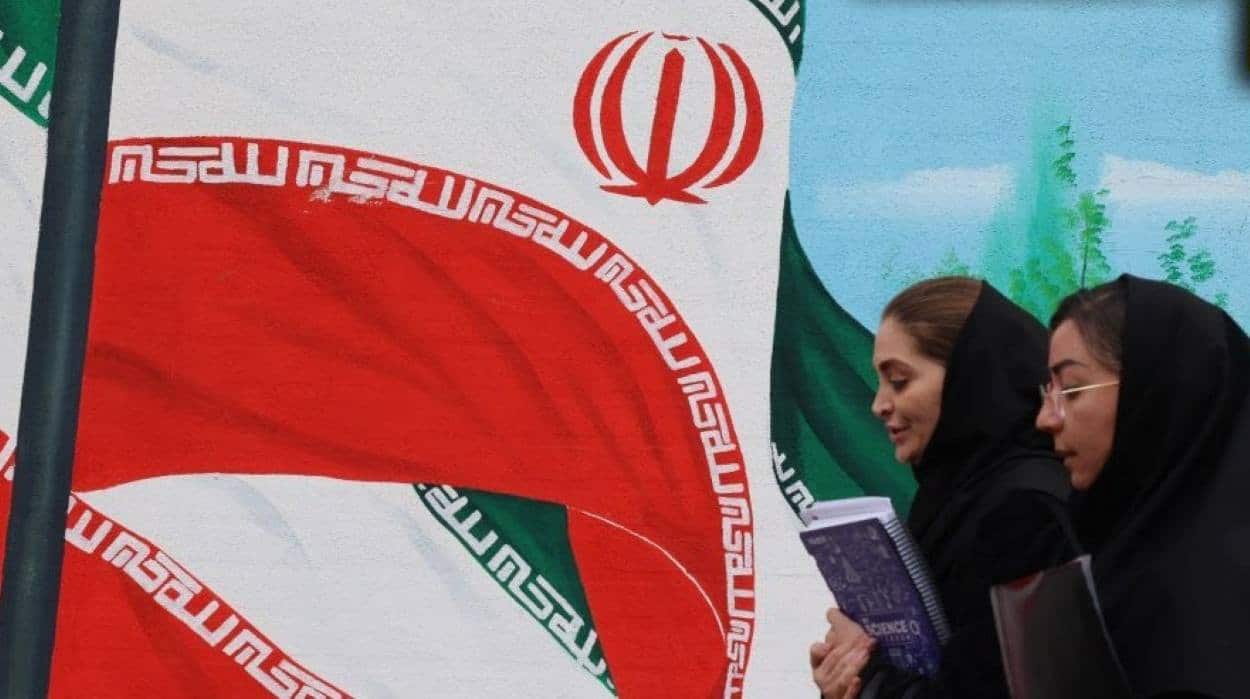

TEHRAN, Iran: The Iranian women’s headscarf debate remains deeply personal for women who have begun appearing in public without the mandatory covering. Many described their first uncovered outings as a mixture of fear, relief, grief and solidarity.
Iran International asked women on Instagram to recall the first time they left home without a headscarf. The responses came four years after the Woman, Life, Freedom protests that followed the death of Mahsa Amini in September 2022.
One woman said removing the headscarf made her feel that decisions about her clothing belonged to her. Others repeatedly used words such as freedom, relief, lightness and power when describing the experience.
However, fear remained a common theme in the Iranian women’s headscarf accounts. Some respondents said they initially carried scarves in their bags in case they faced confrontation. Others said they repeatedly looked around while walking outside.
One woman recalled leaving home without even carrying a scarf for the first time in November 2022. She said her heart raced throughout the outing because she feared possible consequences.
Read: Iranian Singer Parastoo Ahmady Arrested for Performing in Concert Without Hijab
Another respondent said seeing other women without headscarves gradually reduced her anxiety. The visibility of women making the same choice gave her more confidence, she said.
Several women also focused on physical sensations they had rarely experienced in public. They described feeling wind in their hair or cool air on their face and neck.
Read: Iran Temporarily Halts Strict Dress Code Enforcement
One respondent said she regretted experiencing the sensation at 40 rather than 20. Another recalled becoming emotional while sitting behind the wheel in a T-shirt and feeling air against her skin.
Public defiance of Iran’s compulsory hijab rules expanded after Amini’s death following her detention by morality police. Her death triggered nationwide Woman, Life, Freedom protests.
Iran International said recent messages also described renewed pressure on women in Isfahan, Rasht, Fuman, Mashhad and Neyshabur.
Senior Iranian official Gholam-Ali Haddad-Adel said on September 9 that authorities could not enforce hijab requirements as extensively as they wanted because of wartime conditions.
For some respondents, removing the headscarf also brought memories of people killed during the 2022 unrest. Others described receiving smiles, chocolates and notes of encouragement from women they did not know.
The responses also spanned generations. One 70-year-old woman said she stopped wearing a headscarf completely at 60, while another respondent said removing it made her feel like a teenager again.