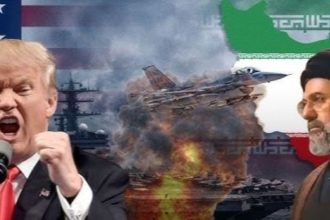



Residents across Gulf Arab states are reassessing travel, work and school plans as they fear fresh US strikes could intensify the Iran war after Tuesday’s midterm elections.
In Saudi Arabia, residents described cancelled events and a shift to remote working after more attacks by Iran-aligned Houthi forces. An American resident told CNN she planned to leave before the vote.
US President Donald Trump pledged this month not to attack Iran before the elections. He has not ruled out military action afterwards.
Similar concerns have spread elsewhere in the Gulf. An American living in Abu Dhabi feared another winter of attacks, while residents in Bahrain described lasting distress from previous strikes.
US and Israeli attacks on Iran in February killed Supreme Leader Ali Khamenei. Tehran subsequently struck Gulf Arab cities with missiles and drones, disrupting travel, schooling and business.
Iran has warned that any renewed offensive could trigger a broader response. On Saturday, Iran’s Supreme Leader Mojtaba Khamenei ordered a reply “without geographical limitations” to any new threat.
Read: Iran’s Khamenei Warns US and Israel Against New Attacks
A senior Iranian security official warned that future attacks could hit infrastructure beyond oil facilities, including sites linked to artificial intelligence.
Hasan Alhasan, a senior fellow at the International Institute for Strategic Studies, described uncertainty over whether US warnings were diplomatic pressure or signs of an imminent attack.
Read: US Orders Staff to Leave Saudi Arabia Over Houthi Attacks
Qatar continues to mediate. A Qatari official said Iranian representatives were visiting on Saturday, with no US delegation present.
Iranian media reported that US Vice President JD Vance had sent a letter to senior Iranian security official Mohsen Rezaei. Tehran was reviewing it.
Iranian parliamentary speaker Mohammad Bagher Ghalibaf said progress depended on agreement over Tehran’s seven conditions. Neither side has announced a diplomatic breakthrough.