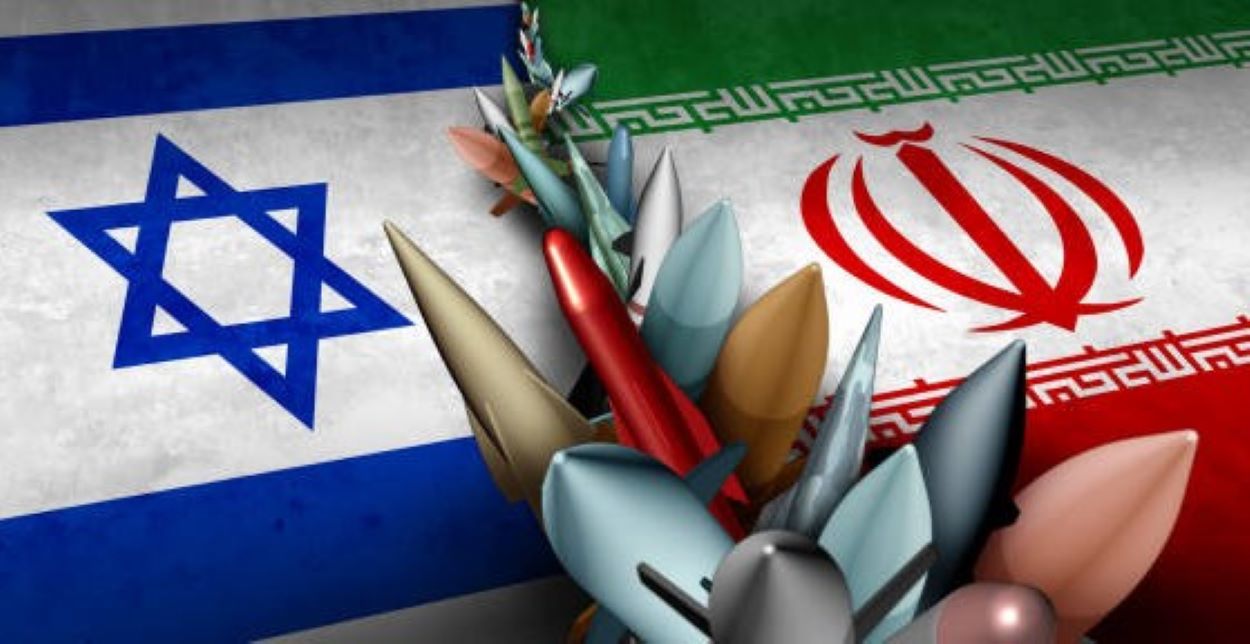

NEW YORK: The Iran war’s economic cost to Arab economies reached an estimated $150 billion in the conflict’s first month, about 4% of regional GDP, a UN official said Thursday.
Rania Al-Mashat, UN under-secretary-general and executive secretary of the Economic and Social Commission for Western Asia, presented the estimate during a Bahrain-convened UN Security Council Arria-formula meeting.
The September 17 meeting, titled “Safe Seas, Shared Security: Protecting Freedom of Navigation in an Evolving Security Environment.” Al-Mashat said disruptions around the Strait of Hormuz and Bab al-Mandab were affecting far more than maritime security.
She warned that shipping interruptions could threaten essential supplies, investment, employment and broader economic stability. The routes connect Gulf energy producers with the Red Sea and global markets.
Meanwhile, ESCWA said the waterways form an interconnected trade system carrying energy, food and other goods. Disruption at one chokepoint can therefore affect supply chains across the wider region.
Al-Mashat said the Strait of Hormuz normally carries roughly 25% of global seaborne oil trade and 19% of liquefied natural gas trade. Gulf Cooperation Council states also supply significant shares of several industrial commodities.
The UN official urged governments to protect civilian and commercial navigation under international law. She also called for measures to prevent the conflict from expanding and worsening its economic, social and humanitarian effects.
Read: US-Iran War Cost Hits $38 Billion, CBO Warns of Strain
In addition, Al-Mashat urged stronger regional preparedness to protect supplies and maintain essential services if maritime disruptions continue.
The $150 billion figure is an ESCWA estimate, not a final accounting of confirmed losses. It covers the first month of the crisis and represents about 4% of the combined regional economy, according to Al-Mashat.
ESCWA represents Arab member states across North Africa and the Middle East. The commission provides economic and development analysis for the region.