
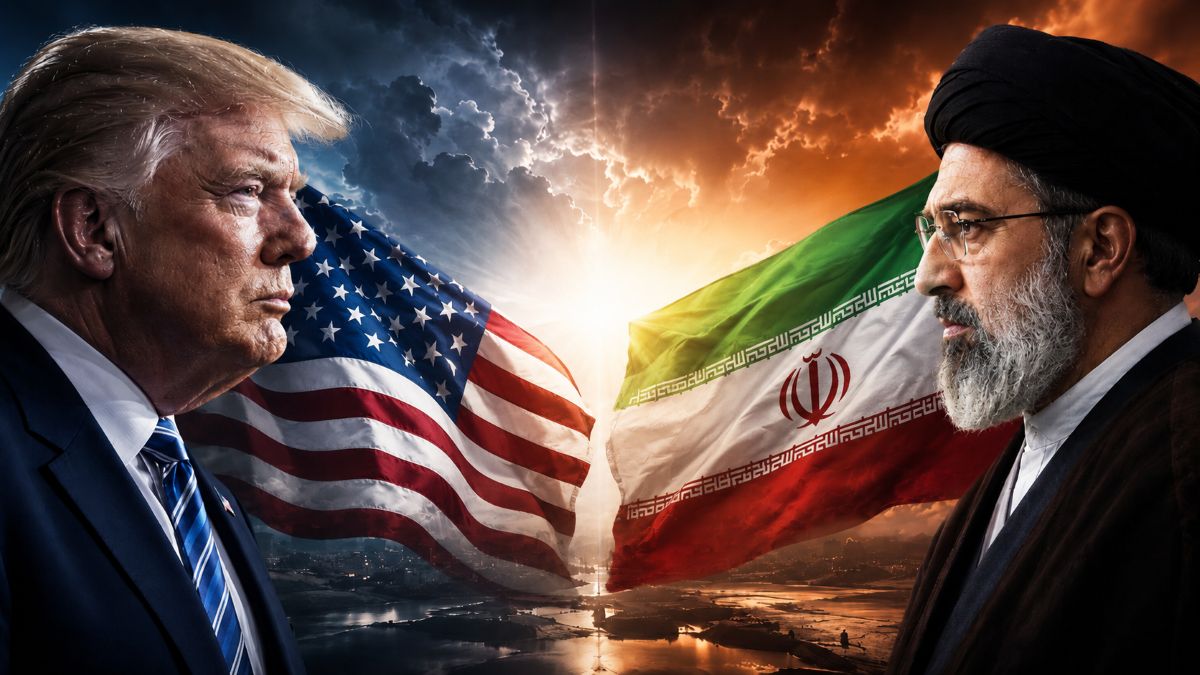

A senior Iranian official on Wednesday called Qatar’s peace ideas unacceptable, disputing another official’s account that Tehran was considering a new draft to end the war with the US and Israel.
The disagreement centres on what mediators presented during Sunday’s discussions in Tehran. An official briefed on the negotiations told Reuters that Qatar delivered a framework requiring daily confidence-building steps from both sides.
The official, who is not Iranian, described a seven-day process that addresses Washington’s and Tehran’s concerns. Implementation could begin early next week, with several countries acting as guarantors and an Iranian response expected by the weekend.
However, a senior Iranian official involved in the negotiations described Qatar’s suggestions as “unacceptable ideas and not an offer”. Tehran’s refusal to compromise over the nuclear issue remained unchanged, the official added.
Iranian Foreign Minister Abbas Araqchi separately said on Wednesday that contacts with intermediaries were continuing. Those discussions focused on ideas for implementing Iran’s proposal, which he argued could be completed in less than a week.
These are distinct diplomatic tracks within the mediation effort. According to the official briefed on the negotiations, the latest Qatari draft differs from Tehran’s September proposal.
Washington wants Iran’s nuclear programme included from the outset of negotiations. Tehran instead demands that conditions including an end to the US blockade of Iranian ports and the lifting of oil-export sanctions be met first.
Iran rejects Western concerns that its nuclear programme has a military purpose.
Under Tehran’s earlier framework, Araqchi suggested the Strait of Hormuz could reopen if specified conditions were satisfied. US President Donald Trump rejected that proposal.
Meanwhile, Qatar has publicly confirmed that its mediation channel remains active. Foreign Ministry media and communication director Ibrahim Al Hashemi said on Tuesday that messages, proposals and views continued to pass between Washington and Tehran.
Read More: Iran Uranium Stockpile: IAEA Seeks Access to 440kg
He urged Iran to end threats against regional countries and ensure freedom of navigation through Hormuz. He added that Qatar and Pakistan were working with regional and international partners to reduce tensions.
Pakistan also joined Saudi Arabia and Turkey in talks with Iranian officials in Tehran on Monday. A joint statement said the four countries agreed to continue dialogue on regional cooperation, peace and security.
Earlier mediation produced an interim agreement in June, but it later fell apart. The war began with US and Israeli attacks on Iran on February 28 and has disrupted shipping and oil supplies.