
Iran’s offensive strategy plans are taking a harder turn as leaders in Tehran, the Iranian capital in the Middle East, prepare for a prolonged confrontation with the United States.
Supreme Leader Mojtaba Khamenei of Iran has reshaped senior military and security posts. The changes place veteran Islamic Revolutionary Guard Corps figures in key command roles.
Ahmad Vahidi has taken command of the IRGC with instructions that stress readiness for offensive operations. Iranian commander Mohammad Reza Naqdi has also spoken about taking operations into enemy territory.
Meanwhile, Iran has accelerated work on missiles and drones while rebuilding military sites damaged during the conflict, according to recent reporting.
Read: Erdogan, Trump, Iran Talks Focus on Diplomacy, Regional Risks
Tehran has also maintained links with armed groups in Iraq and Yemen. Saudi officials recently told CNN that intelligence reports pointed to coordination involving Iraqi militias, the Houthis and IRGC members.
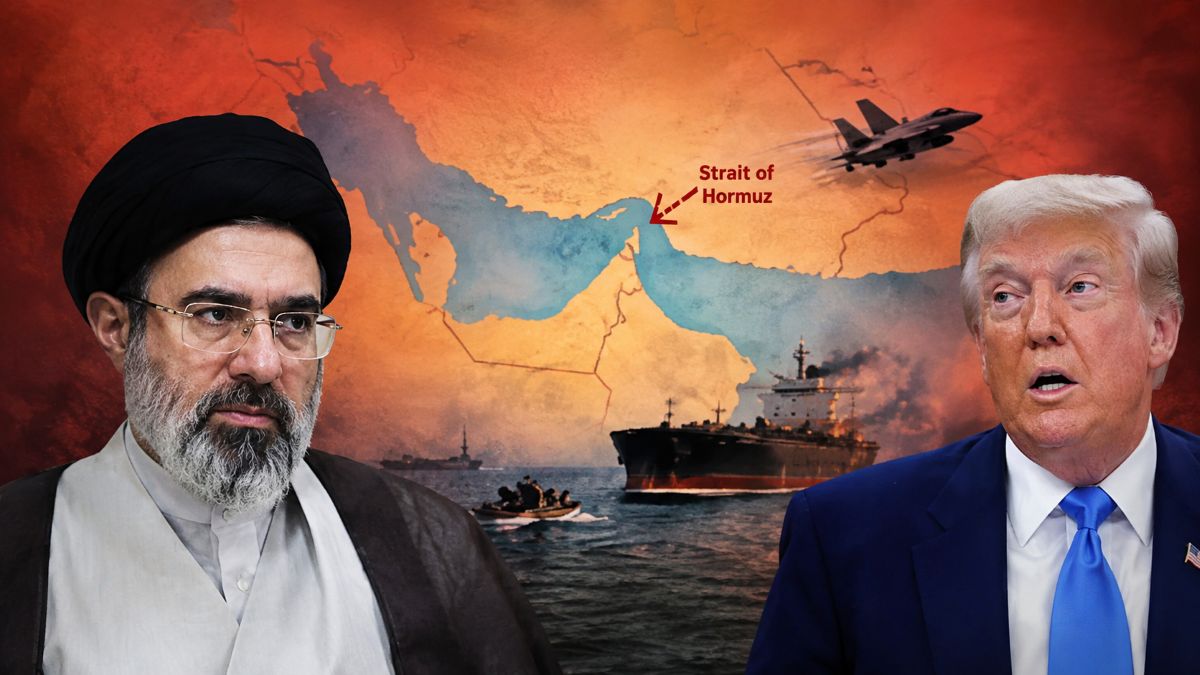
The Strait of Hormuz remains a major point of dispute. Iran and the United States have failed to turn their June memorandum into a lasting settlement, while fighting and pressure on Gulf shipping have continued.
Read: Iran Offensive Policy Signals Wider Hormuz Escalation Risk
Analysts say Iran’s leadership now appears more willing to accept risk. Hamidreza Azizi of the Clingendael Institute described the changes as a move toward what he called “offensive deterrence.”
President Donald Trump of the United States has continued to combine pressure on Tehran with efforts to secure an agreement over the conflict.