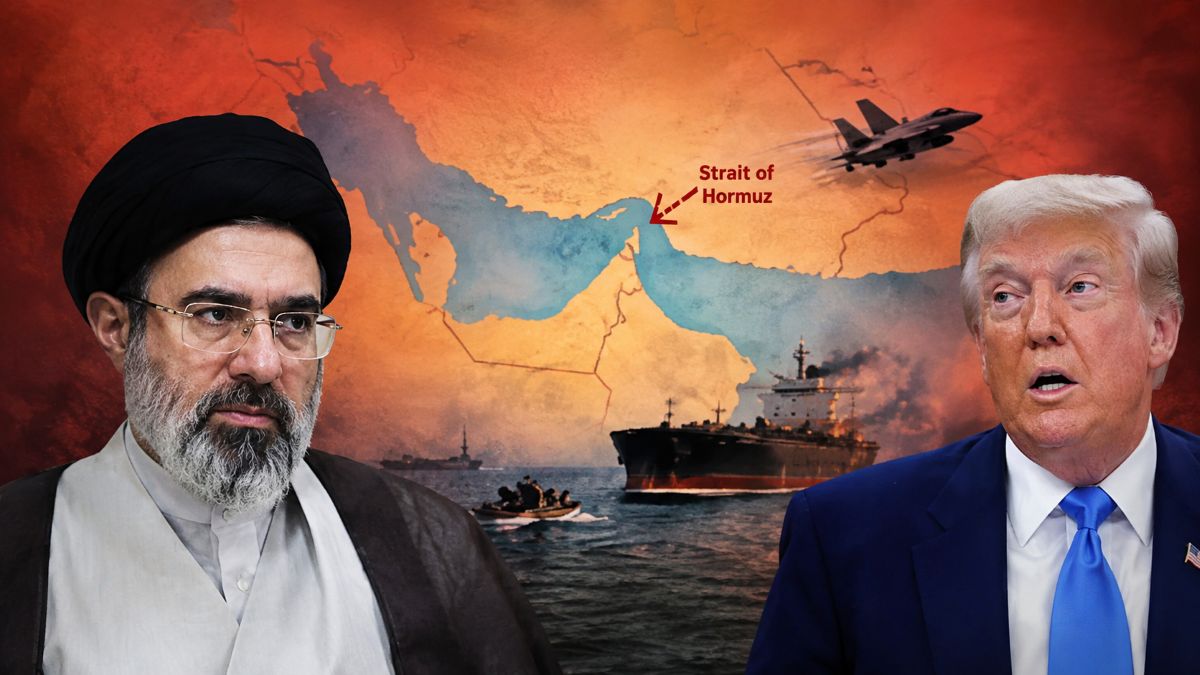

WASHINGTON, United States: Concerns about Iran’s military escalation are growing as US intelligence assessments indicate Tehran is increasingly confident in its military strength and may prolong the conflict for months.
The New York Times reported that Iranian leaders see little incentive to reach a comprehensive agreement with Washington. People who reviewed the assessments said Tehran may also be considering a significant escalation.
Officials briefed on the intelligence said months of intermittent fighting had given Iran a clearer understanding of its military strengths and ability to withstand US pressure.
Current and former US officials said Tehran may also seek to increase political pressure on President Donald Trump ahead of the November 3 midterm elections.
Iran shot at two U.S. Navy warships. America answered by hitting three of their oil tankers.
CENTCOM’s Brad Cooper said it in math the IRGC understands: shoot at two of ours, we take three of yours. Pete Hegseth made it simpler. Don’t shoot at the U.S. Navy, and your tankers… pic.twitter.com/cS6WIaK5Wx
— Gunther Eagleman™ (@GuntherEagleman) September 5, 2026US officials believe Iran could repeat tactics used in July. Those included attacks on American bases in the Middle East, strikes on infrastructure in Kuwait and threats to commercial shipping in the Strait of Hormuz.
Read: US Strikes 3 Iranian Tankers, Citing Warship Attacks
Earlier attacks in Jordan killed three Americans, according to the report. Washington also believes Iran-linked hackers were likely responsible for cyberattacks on more than 100 US water systems in late July.
The incidents disrupted operations but did not make drinking water unsafe. The hackers have also shown interest in US oil and gas infrastructure.
Read: Iran Wedding Strike Likely Direct US Munition Hit: Analysis
However, officials said they still did not know whether hackers had breached any energy systems. The assessments indicate Tehran believes it can retain leverage through missiles, drones, cyber operations and its ability to disrupt shipping through the Strait of Hormuz while resisting continued economic and military pressure.