
BEIRUT: Two years after the killing of late Hezbollah leader Sayyed Hassan Nasrallah, debate within Lebanon continues over how the group has adapted under Secretary-General Naim Qassem.
Nasrallah led Hezbollah for more than three decades and combined political, organisational and military authority with a direct relationship with the group’s supporters, according to people interviewed by Asharq Al-Awsat.
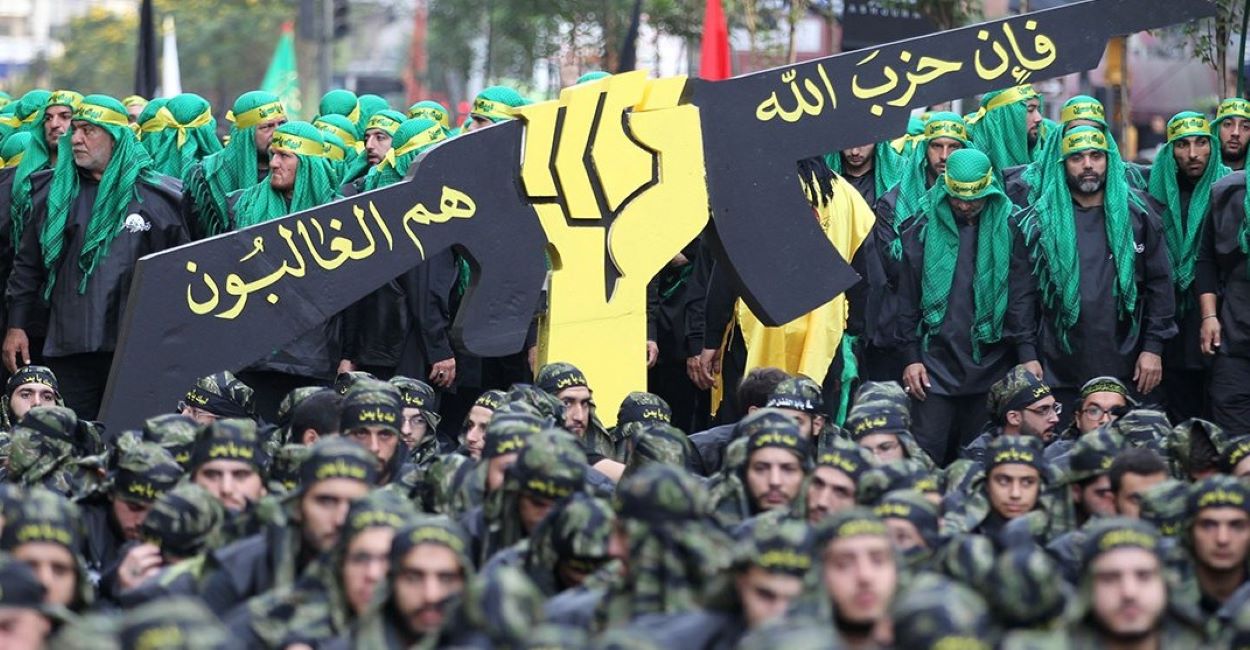
Hezbollah commemorated Nasrallah and his successor, Hashem Safieddine, with an anniversary gathering at Nasrallah’s shrine in Beirut’s southern suburbs. Qassem addressed supporters during the event.
Those close to Hezbollah say the group has reorganised its ranks and preserved its cohesion despite the loss of senior leaders.
Read: Hassan Nasrallah Funeral Draws Thousands in Beirut
Political writer Qassem Qassir said Qassem had helped restore its organisational and security structures during a difficult period. Opponents offer a different assessment.
Jad Al-Akhawi of the Lebanese Democrats Coalition said Qassem had not reproduced the combination of political authority, public mobilisation and organisational control associated with Nasrallah. He argued that the difference extended beyond personal charisma.
Lebanese University professor Mona Fayad separately claimed that Hezbollah’s ability to mobilise supporters had weakened and that strategic decision-making had shifted more directly towards Iran.
Those claims remain disputed political assessments rather than established facts. Supporters, meanwhile, continue to portray Nasrallah’s speeches as a source of reassurance and resolve across generations.
Read: Israel Utilizes Bunker-Buster Bombs in Assassination of Hassan Nasrallah
The anniversary material describes his voice as carrying different meanings for older supporters, young people and children who grew up during conflict.
Hezbollah’s current leadership has rejected suggestions that the group has been broken. During Sunday’s anniversary ceremony, Qassem told supporters that Israel had failed to destroy the organisation.