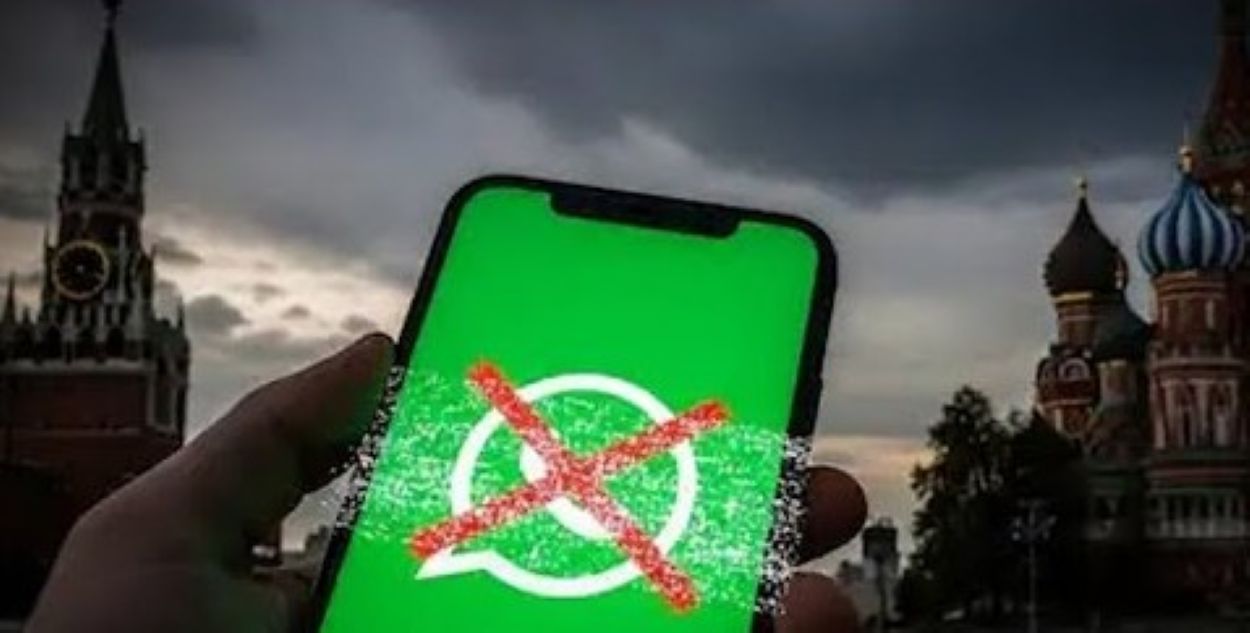

WhatsApp has accused Russian authorities of deliberately restricting access to its service. This move has disrupted private communications for more than 100 million people just days before the holiday season.
The allegations followed a major slowdown and partial outage reported across Russia on Tuesday. Users reported delayed messages and unreliable connections, raising concerns about broader access limitations on the messaging platform.
The Meta-owned service said the restrictions undermine the right to secure, end-to-end encrypted communication. A WhatsApp spokesperson said the Russian government was effectively cutting off millions of users from private conversations with family, friends, and colleagues.
The criticism comes after Russia’s communications watchdog, Roskomnadzor, warned it could fully block WhatsApp. Regulators will take this action if the company fails to comply with applicable local laws. They accuse the platform of repeatedly violating Russian regulations and allege that its users organised terrorist activity, recruited individuals, and defrauded citizens.
WhatsApp has criticised restrictions on its service in Russia, accusing the authorities of trying to deprive more than 100 million Russians of the right to private communications before the holiday season.
🟠 LIVE updates: https://t.co/leXkrYy4rQ pic.twitter.com/qK0lfn2pVM
— Al Jazeera English (@AJEnglish) December 23, 2025Roskomnadzor has said it plans to gradually tighten restrictions on WhatsApp. Monitoring websites and user reports indicate this has already led to widespread service disruptions.
In response, WhatsApp stressed that the platform plays a vital role in daily life across Russia. It supports everything from family chats to workplace coordination. The company said it would continue pushing back against measures that restrict secure communication.
Russian authorities began limiting calls on WhatsApp and Telegram in August. They cited the platforms’ refusal to share user data with law enforcement in cases linked to fraud and terrorism.
Read: India Mandates SIM-Binding for WhatsApp, Signal, Telegram to Combat Scams
Meanwhile, the Russian government has promoted a state-backed messaging app called MAX as an alternative. Critics argue the app could enable user surveillance. However, officials deny this and say MAX is designed to integrate public services and improve daily life.
WhatsApp said it remains committed to defending users’ privacy and access to encrypted communication. The company warned that further restrictions would have serious consequences for millions who rely on the platform every day.