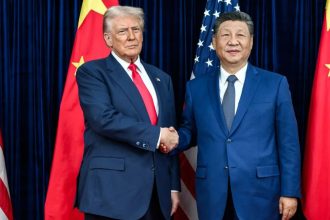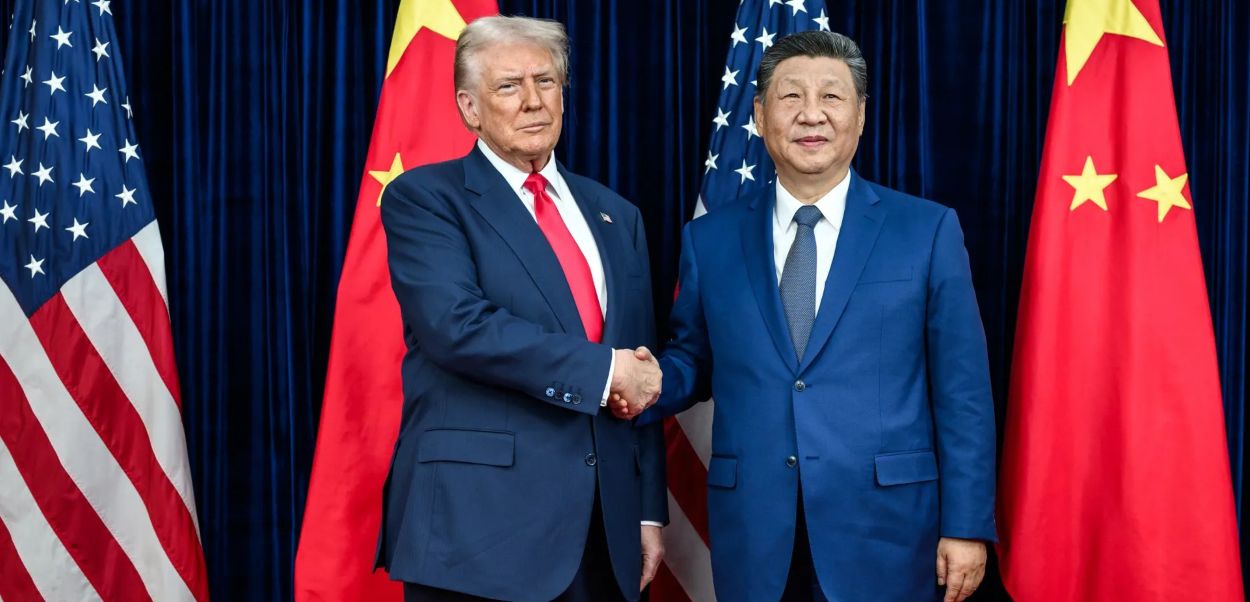

The Trump Xi Jinping China visit in May has been officially scheduled after a delay caused by the ongoing Iran conflict. US President Donald Trump will travel to Beijing on May 14–15 for high-level talks with Chinese President Xi Jinping.
Initially planned for earlier, the trip was postponed as tensions in the Middle East escalated. However, the rescheduled visit signals Washington’s effort to balance global conflicts with key diplomatic priorities.
Trump confirmed the dates on social media and said preparations are underway. He also announced plans to host Xi in Washington later this year. The visit comes amid strained relations between the world’s two largest economies. While both sides aim to stabilise ties, several issues remain unresolved.
In February, the US Supreme Court limited the president’s authority over tariffs, reducing the president’s leverage in trade negotiations. Meanwhile, US military coordination with Israel against Iran has added new pressure to relations with Beijing.
China has not officially commented on the visit, maintaining its usual approach of limiting advance disclosure of leadership schedules.
US – China Trade Talks and Strategic Differences
During the Beijing meetings, both leaders are expected to explore cooperation in trade sectors, including agriculture and aviation. These discussions may help rebuild trust after months of uncertainty.
However, deeper disagreements persist. Taiwan remains a major flashpoint. The US has increased arms sales to the island, a move strongly opposed by China. Despite efforts at dialogue, analysts expect limited breakthroughs on these sensitive issues.
*Trump-Xi meeting:* President Trump's meeting with President Xi Jinping in Beijing was rescheduled for May 14-15, and that the Chinese President will visit Washington at a later date. pic.twitter.com/nLjqCSiaKz
— 🌍 Breaking News of the Day (@BNOfTheDay) March 25, 2026The ongoing Iran war continues to shape global diplomacy. Trump has sought support from major oil-consuming nations, including China, to counter potential disruptions in the Strait of Hormuz.
So far, Beijing has not directly responded to these requests. China remains the world’s largest oil importer, making its position critical in any coordinated response. White House officials estimate the conflict could last four to six weeks, leaving uncertainty over whether tensions will ease before the May summit.
Read: Iran Rejects US Peace Talks Claims Amid Tensions Denies Negotiations
This visit will mark the first face-to-face meeting between Trump and Xi since their October talks in South Korea. At that time, both sides agreed to a temporary trade truce.
The upcoming meeting will combine ceremonial diplomacy with strategic negotiations. It reflects a broader attempt to reset US engagement in the Asia-Pacific region.