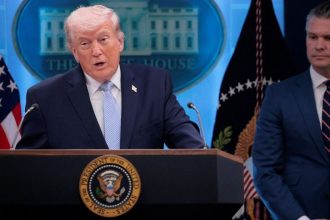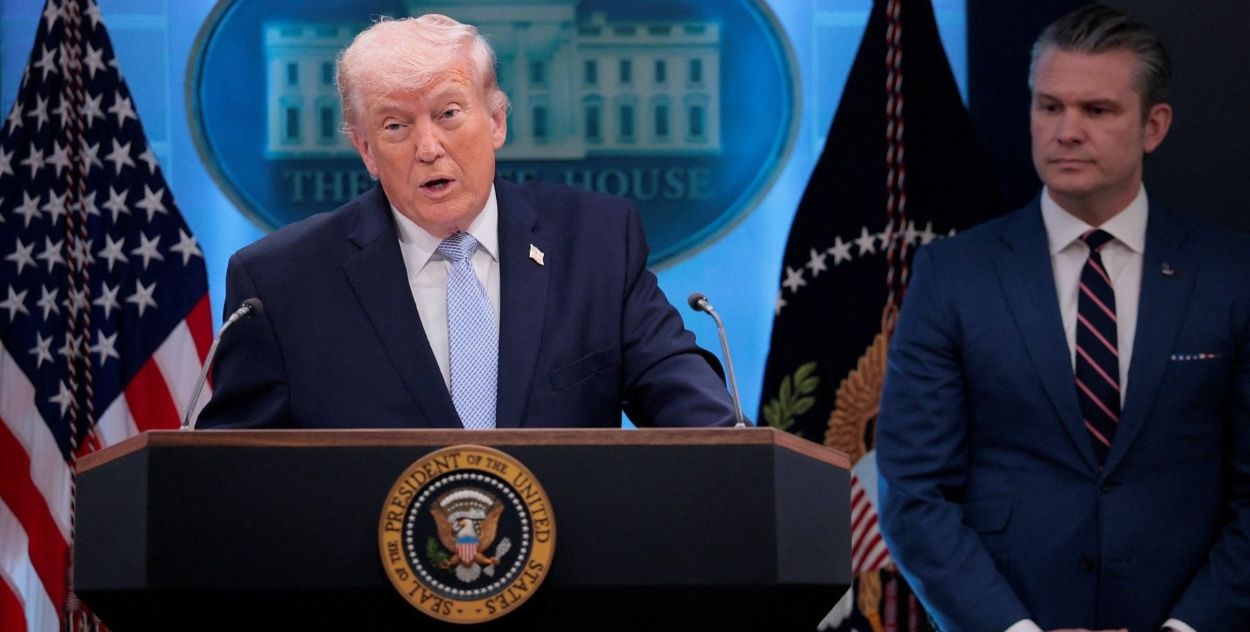

The Trump-Iran ceasefire announcement marked a dramatic shift in tone after the U.S. president moved from threatening attacks on Iranian civilian infrastructure to declaring that the conflict was “close to resolution.” Major outlets reported that Trump agreed to a two-week ceasefire after intense pressure, late diplomacy, and signs that Iran would allow safe passage through the Strait of Hormuz.
Earlier, Trump had warned Iran to reopen the strait or face devastating consequences. He publicly threatened to target bridges and power plants, rhetoric that drew criticism from international allies and from some Republicans at home.
The reversal came only hours after Trump intensified his language on social media and in public remarks. He had framed Tuesday as a decisive deadline and warned of sweeping action if Tehran refused to comply.
Then, on Truth Social, Trump announced what he called a “double-sided ceasefire” and claimed the United States had achieved its military objectives. Reporting from AP and other outlets says the arrangement created a two-week pause in offensive action and opened space for further negotiations.
Pakistan’s Diplomacy Helped Shape the Pause
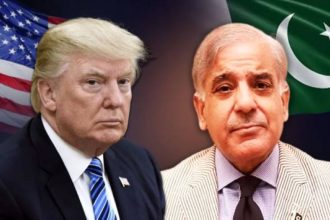
Pakistani Prime Minister Shehbaz Sharif urged Trump to extend his deadline by two weeks and give diplomacy more time. That request also asked Iran to reopen the Strait of Hormuz as a goodwill measure.
Subsequent reporting said Pakistan played a mediation role in the ceasefire push, with both AP and other outlets describing Islamabad as a key intermediary between Washington and Tehran in the final hours before the pause took effect.
Iranian Foreign Minister Abbas Araghchi confirmed the ceasefire and said safe passage through the Strait of Hormuz would be possible for two weeks if attacks stopped.
Recent reporting matches that broad outline, describing the ceasefire as conditional and temporary rather than a full settlement. AP reported that Iran accepted a two-week pause while stressing that the war had not formally ended and that negotiations would continue.
Read: Shehbaz Sharif’s Trump Plea Faces Scrutiny Over Drafted X Post
Iranian citizens formed human chains around bridges and power plants after authorities urged people to protect sites that Trump had threatened to strike.
That detail captures how close the crisis appeared to moving into a far more dangerous phase. Even after the ceasefire announcement, the political and military situation remained fragile, with the pause depending on continued restraint and ongoing diplomacy rather than a final peace agreement.