
The Trump 15% global tariff will take effect for 150 days after the US Supreme Court struck down his earlier trade program.
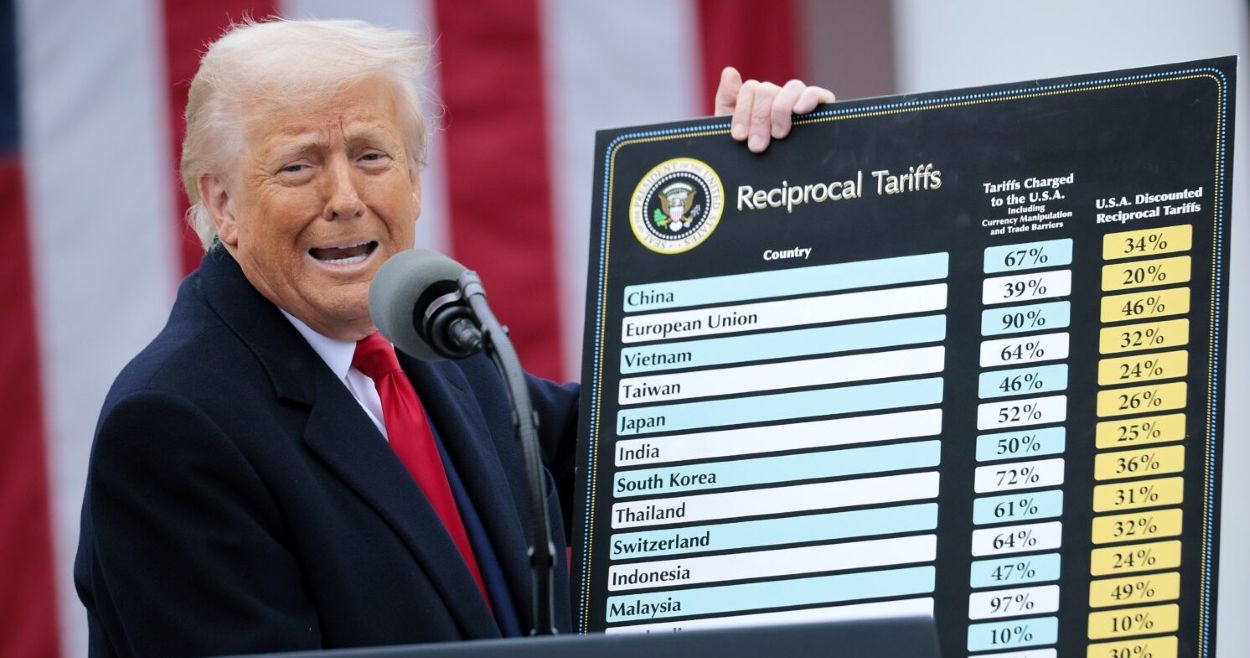
President Donald Trump announced he would raise a temporary tariff from 10% to 15% on imports from all countries. The new rate is the maximum allowed under Section 122 of the US trade law.
The decision came less than a day after Trump imposed a 10% across-the-board tariff following the court’s ruling. The Supreme Court found that Trump exceeded his authority under the International Emergency Economic Powers Act.
Trump 15% Global Tariff Grounded in Section 122 Law
The new levies rely on Section 122, a statute that permits tariffs of up to 15% for 150 days. However, extending the tariffs beyond that period would require congressional approval.
No president has previously invoked Section 122. Legal experts suggest its use could trigger fresh court challenges.
In a Truth Social post, Trump said the higher rate was “legally tested” and accused foreign nations of taking advantage of the United States for decades. He also said he would use the 150-day window to explore other legally permissible tariffs.
The White House confirmed that certain products would be exempt, including critical minerals, metals, and energy goods.
Trade specialists expressed surprise at the rapid shift. Wendy Cutler, a former senior US trade official, noted that the move highlights uncertainty for global trading partners.
President Trump said he will raise a temporary tariff from 10% to 15% on US imports from all countries, the maximum level allowed under the law, after the Supreme Court struck down his previous tariff program https://t.co/HCqEmP9dzc pic.twitter.com/mrH6jvZaWQ
— Reuters (@Reuters) February 21, 2026The Supreme Court ruling, written by Chief Justice John Roberts, concluded that the emergency powers law Trump used did not authorise the broad tariffs he imposed.
Roberts was joined by Justices Neil Gorsuch, Amy Coney Barrett, and the court’s three liberal members. The majority determined that the president had exceeded his statutory authority.
Trump responded sharply, criticising the justices and vowing to continue his trade strategy. The administration plans to rely on other trade statutes that allow targeted tariffs based on national security or unfair trade practices.
Whether Congress will approve an extension of the 15% tariffs remains uncertain, especially as public concern grows over higher prices.