
Electric vehicles have continued to gain traction worldwide, but 2025 proved challenging for Tesla. The company posted a second consecutive annual decline in vehicle sales, signalling growing pressure on its once-dominant position in the global EV market.
According to figures cited by TechCrunch, Tesla delivered 1.63 million vehicles worldwide in 2025. The total marked a 9 per cent drop from the 1.79 million units sold in 2024.
A notable portion of deliveries, about 50,850 vehicles, fell under Tesla’s “other models” category. This group includes the highly anticipated Cybertruck, as well as the older Model S and Model X.
The slowdown became more pronounced toward the end of the year. In the fourth quarter, Tesla delivered 418,227 vehicles, a sharp 15.6 per cent decline compared with the same period a year earlier. The result also missed market expectations, triggering a more than 2 per cent decline in Tesla’s share price when trading resumed after the New Year holiday.
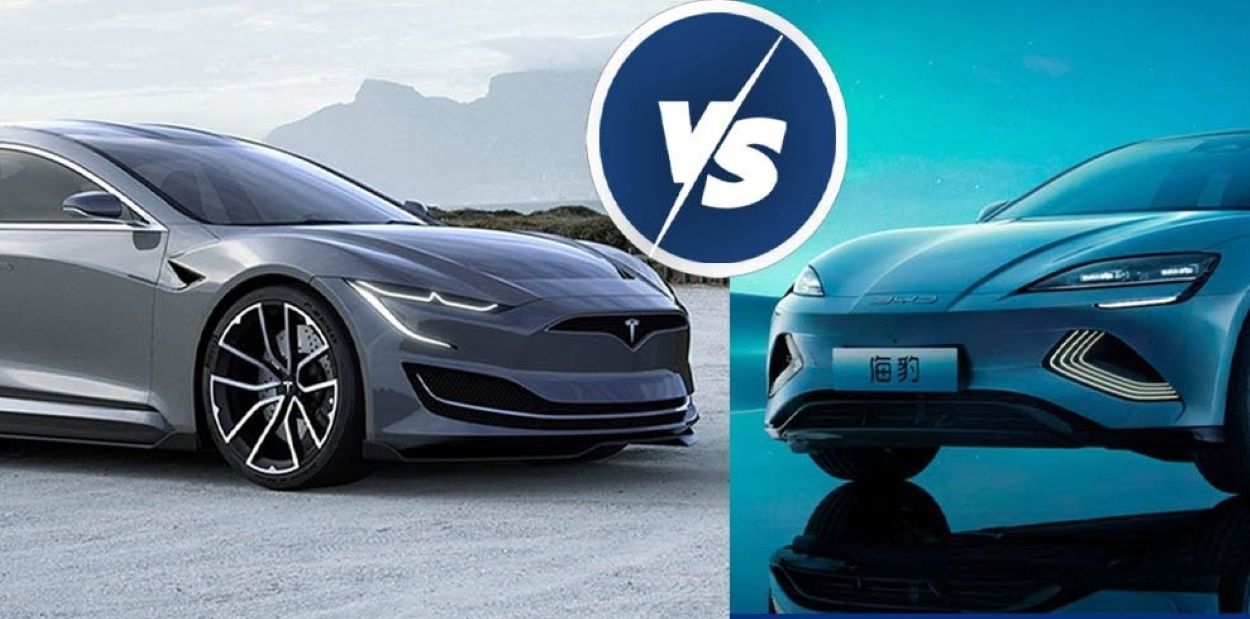
Tesla has been toppled by BYD, losing its crown as the No. 1 seller of EVs globally in 2025.
Bloomberg's @EdLudlow recaps the race between Tesla and BYD https://t.co/d064CbqsmT pic.twitter.com/ssroqxyaA8
— Bloomberg (@business) January 4, 2026Analysts attribute the weaker performance to multiple factors. The removal of the $7,500 federal EV tax credit in the United States reduced consumer incentives, while competition intensified in key overseas markets. Tesla’s market share has slipped in both Europe and China, where local manufacturers continue to expand aggressively.
Chinese automaker BYD emerged as the world’s top-selling EV brand in 2025 after delivering 2.26 million electric vehicles, surpassing Tesla on global volumes. While BYD remains barred from selling cars in the US, it has gained significant ground elsewhere.
Tesla’s China factory shipments dropped in 2025, despite a last-minute bump in December, as the Elon Musk-led carmaker struggles with a slowdown in global sales https://t.co/jyI70vCo5Q
— Bloomberg (@business) January 5, 2026The impact of the tax credit change was most visible in Tesla’s quarterly trends. The company recorded a record 497,099 vehicle deliveries in the third quarter of 2025, as buyers rushed to complete purchases before the incentive expired. Sales slowed sharply in the following quarter.
Despite the downturn, Tesla’s EV business remains its main revenue driver. In the third quarter alone, the company generated $28 billion in total revenue, with $21.2 billion coming directly from electric vehicle sales.
Industry observers say Tesla, led by Elon Musk, now faces a more competitive and price-sensitive EV landscape. Sustaining growth will likely depend on new models, cost controls, and renewed incentives as the global market continues to evolve.