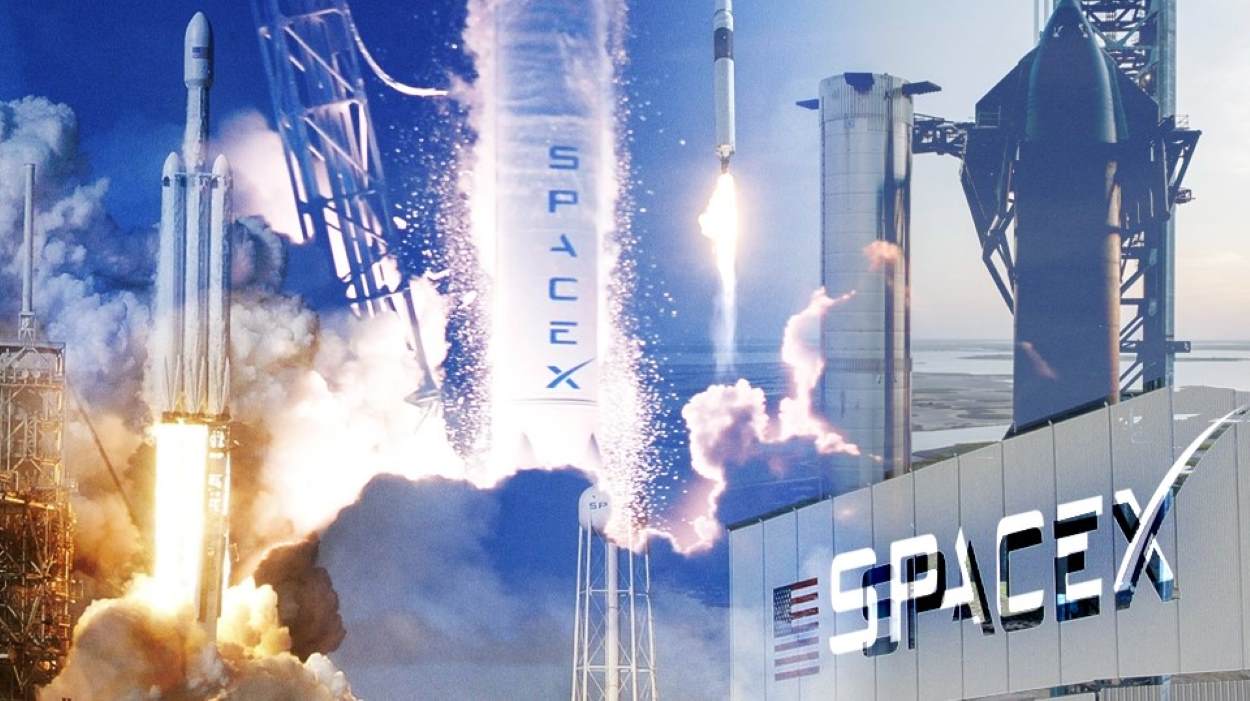

SpaceX moon city plans have moved to the top of Elon Musk’s agenda, with the billionaire entrepreneur saying a self-growing city on the moon could be achieved in less than 10 years. The shift signals a major change in the company’s long-term space ambitions.
Musk said SpaceX still plans to pursue his long-held vision of building a city on Mars within five to seven years. However, he stressed that securing the future of civilisation now takes priority, and the moon offers a faster and more achievable path.
He shared the comments on his X social media platform, noting that the lunar strategy does not replace Mars ambitions but is temporarily prioritised.
SpaceX moon city plans reshape long-term strategy
Musk’s remarks align with a recent Wall Street Journal report, which said SpaceX informed investors it would prioritise lunar missions before turning full attention back to Mars. According to the report, the company is targeting March 2027 for an uncrewed landing on the moon.
This represents a change from Musk’s previous timeline. As recently as last year, he said SpaceX aimed to send an uncrewed mission to Mars by the end of 2026.
The renewed focus on the moon reflects growing urgency in the global space race. The United States faces increasing competition from China as both countries aim to return humans to the lunar surface within this decade.
SpaceX is going all-in on the Moon first 🚀🌕
Building a self-growing, self-sustaining lunar city in under 10 years — faster iteration, closer to home, securing humanity's backup before Mars.
Mars still on the roadmap (5–7 years to start), but the Moon is now priority #1 for… pic.twitter.com/nLRP01iGGf
— Tesla Owners Silicon Valley (@teslaownersSV) February 9, 2026Humans have not visited the moon since NASA’s Apollo 17 mission in 1972. That long gap has added pressure on space agencies and private companies to re-establish a sustained human presence beyond Earth.
Competition and technology drive the lunar push
For SpaceX, the Moon offers logistical and technological advantages over Mars. A lunar base could serve as a testing ground for life-support systems, energy generation, and construction techniques needed for deeper space exploration.
Musk has repeatedly argued that expanding humanity beyond Earth is essential for long-term survival. In his view, the moon provides a quicker route to establishing an off-world civilisation.
The company’s evolving priorities also come amid broader strategic moves across Musk’s business empire.
AI, Starlink, and a potential SpaceX IPO
Less than a week ago, Musk announced that SpaceX acquired the artificial intelligence company xAI, which he also leads. The deal reportedly values SpaceX at $1 trillion and xAI at $250 billion.
Supporters of the acquisition see it as a way to strengthen SpaceX’s plans for space-based data centres. Musk has argued that orbital data centres could prove more energy-efficient than Earth-based facilities, especially as demand for AI-driven computing power grows.
For those unaware, SpaceX has already shifted focus to building a self-growing city on the Moon, as we can potentially achieve that in less than 10 years, whereas Mars would take 20+ years.
The mission of SpaceX remains the same: extend consciousness and life as we know it to…
— Elon Musk (@elonmusk) February 8, 2026SpaceX is also preparing for a potential public offering later this year. Reports suggest the company hopes to raise as much as $50 billion, making it one of the largest public offerings ever.
Earlier on Sunday, Musk shared SpaceX’s first Super Bowl advertisement, which promoted the company’s Starlink satellite internet service. The move highlighted SpaceX’s increasing push into consumer-facing technology.
Tesla pivot adds to Musk’s transformation push
Alongside changes at SpaceX, Musk is steering Tesla in a new direction. After helping build the global electric vehicle market, Tesla is now pivoting toward autonomous driving and robotics.
The company plans to spend $20 billion this year to support that transition. Musk has said the future of Tesla lies increasingly in artificial intelligence, automation, and humanoid robots.
Read: SpaceX Acquires xAI in Record-Breaking $1T Merger
To accelerate the shift, Tesla is ending production of two vehicle models at its California factory. The space will instead be used to manufacture Optimus humanoid robots.
Together, these moves underline Musk’s broader strategy. From lunar cities to AI-powered robots, his companies are aligning around long-term technological bets to reshape multiple industries at once.