

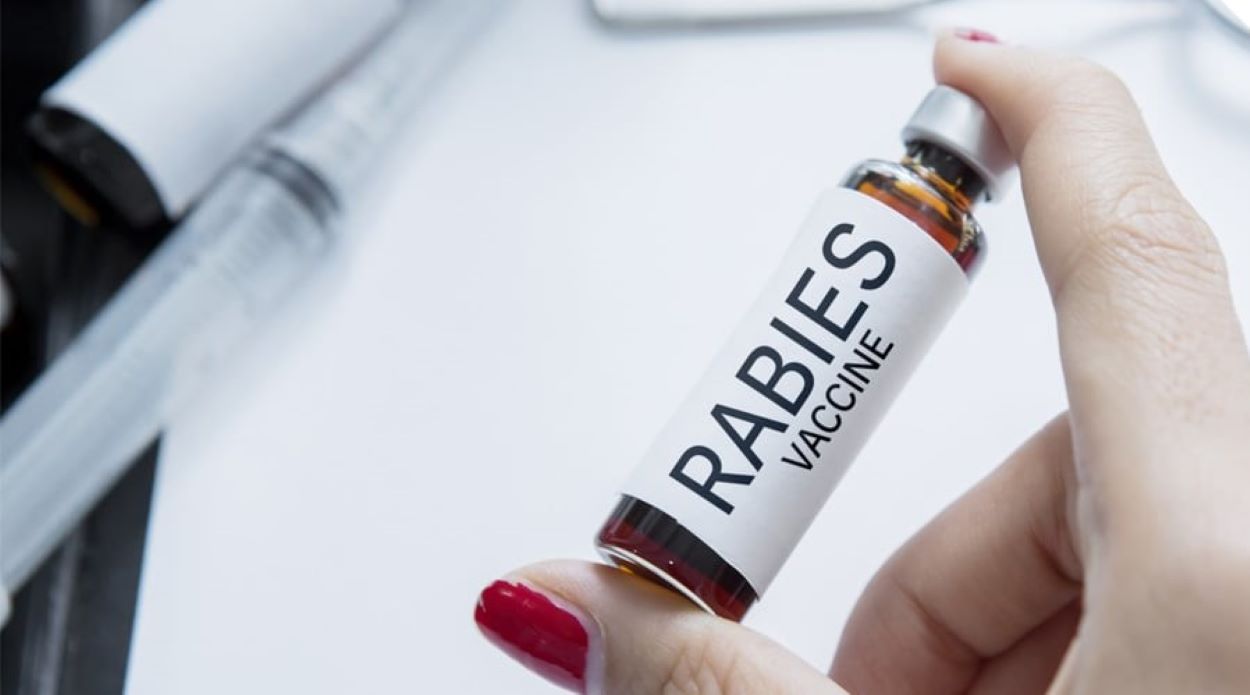

An eight-year-old girl from Jhol in Sanghar district has died after contracting rabies, marking the first rabies death reported in Sindh this year. Health experts say the case exposes serious gaps in dog-bite management, vaccination practices, and public awareness.
Dr Gohar Aftab, In-Charge of the Dog Bite Clinic at Indus Hospital, confirmed the cause of death. He said the child was shifted to Karachi a day earlier, but had already reached an advanced stage of the disease.
Doctors said a stray dog bit the child around one-and-a-half months ago, causing multiple deep wounds. Her family took her to several public-sector hospitals where post-exposure treatment reportedly began.
Hospital officials later found that the treatment was incomplete. The rabies vaccine schedule was not properly followed, and rabies immunoglobulin was either delayed or not administered. As a result, the child remained unprotected against the fatal virus.
Read: DRAP Imposes Immediate Ban on Counterfeit Drug Batches
Physicians at Indus Hospital said the child developed hydrophobia and aerophobia, which are hallmark symptoms of advanced rabies encephalitis. At this stage, the disease becomes irreversible.
The medical team provided palliative care, as rabies is almost always fatal once clinical symptoms appear. Health authorities confirmed the case as Sindh’s first rabies fatality of 2026.
Dog Bite Cases Rising Across Sindh
Sindh continues to report a worrying surge in dog-bite incidents. Officials have recorded more than 3,000 cases in the current month alone, raising fears of additional rabies deaths in the coming weeks.
Official data shows that 21 people died of rabies last year in Sindh, while more than 60,000 dog-bite cases were reported across the province. Most victims belonged to low-income, rural, or peri-urban communities where access to emergency care and rabies immunoglobulin remains limited.
Public health experts stress that rabies is 100 percent fatal once symptoms appear, but it is also completely preventable with correct early treatment.
Doctors recommend immediate washing of bite wounds with soap and water for at least 15 minutes, followed by a full course of rabies vaccination. Severe bites also require timely administration of rabies immunoglobulin.
Experts warn that many victims receive only tetanus injections or antibiotics. Others move between hospitals without continuity of care, leading to deadly delays.



