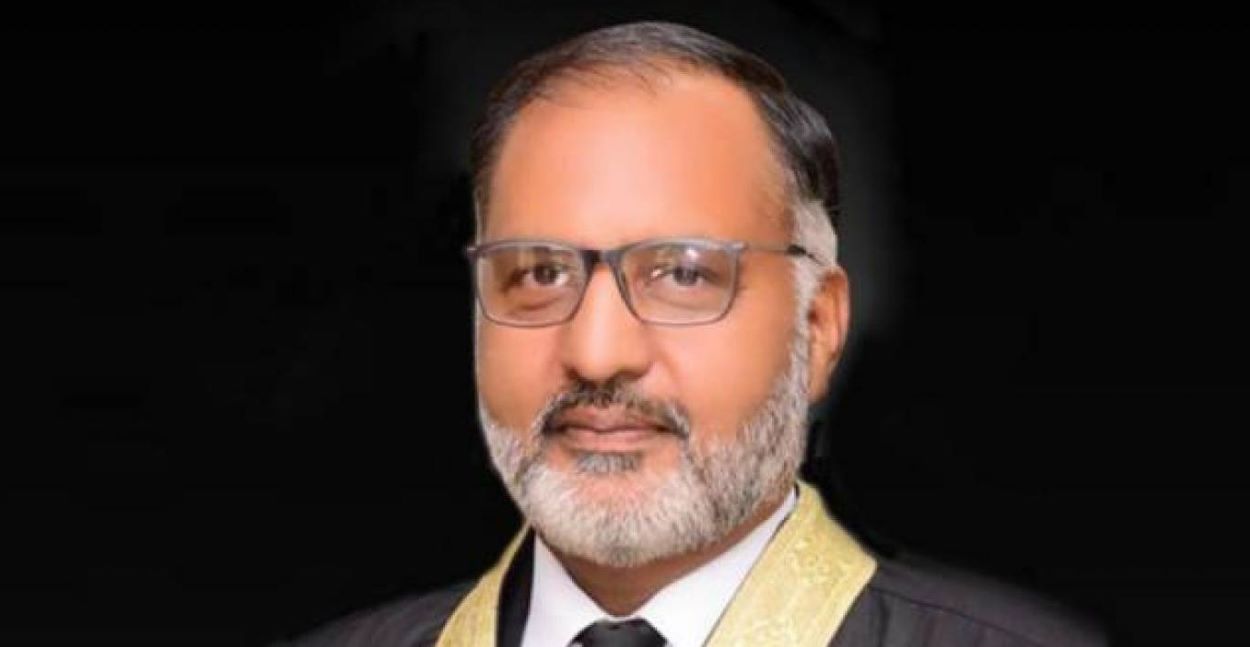

Former Islamabad High Court judge Shaukat Aziz Siddiqui said he resigned immediately after learning that the chairmanship of the National Industrial Relations Commission (NIRC) had been granted as compensation.
Speaking at a farewell reference held in his honour by the Supreme Court Bar Association, Siddiqui said the moment he realised the nature of the appointment, he chose to step down. He stressed that he did not accept positions offered as favours.
Siddiqui revealed that Azam Nazeer Tarar contacted him in November 2024 to offer him the role of NIRC chairman. He formally assumed office on December 4, 2024, as pressure mounted to wind up the institution.
مجھے یہ باور کرایا گیا کہ این آئی آر سی کی چیئرمین شپ بطور compensation دی گئی تو اسی لمحے استعفی دے دیا،مجھے تقریر ہمیشہ بڑی مہنگی پڑتی ہے، میں ان کو بتاؤں گا کہ اسٹیبلشمنٹ کا ٹاؤٹ کون ہے. شوکت عزیز صدیقی pic.twitter.com/1YICGc8uUr
— Hussain Ahmed Ch (@HussainAhmedCh8) January 13, 2026He said the NIRC faced a backlog of 5,380 cases when he took charge. By December 31, 2025, the commission had decided 5,261 cases. During the same period, 5,522 new cases were filed. Siddiqui said the figures showed rising public confidence in the commission’s work.
Explaining his abrupt resignation, the former judge said he makes decisions from the heart, not for personal gain. He added that his speeches often came at a personal cost, but he never chased positions. He said he accepted the NIRC role as a challenge, not as a reward.
چیئرمین این آئی آر سی جسٹس ریٹائرڈ شوکت عزیز صدیقی نے چیئرمین شپ سے استعفیٰ دینے کی وجہ بتا دی pic.twitter.com/vXLY217TTD
— Awais Yousaf Zai (@awaisReporter) January 13, 2026Siddiqui said he sought no favours and therefore resigned once the post was described as compensation. He added that he had left matters related to allegations and damage to his career to Allah, whom he described as the best judge.
During the event, Siddiqui also addressed journalist and YouTuber Matiullah Jan, who was present in the hall. He said the time had come for both to meet face-to-face, where he would clarify his remarks about what he had previously termed an “establishment tout.”