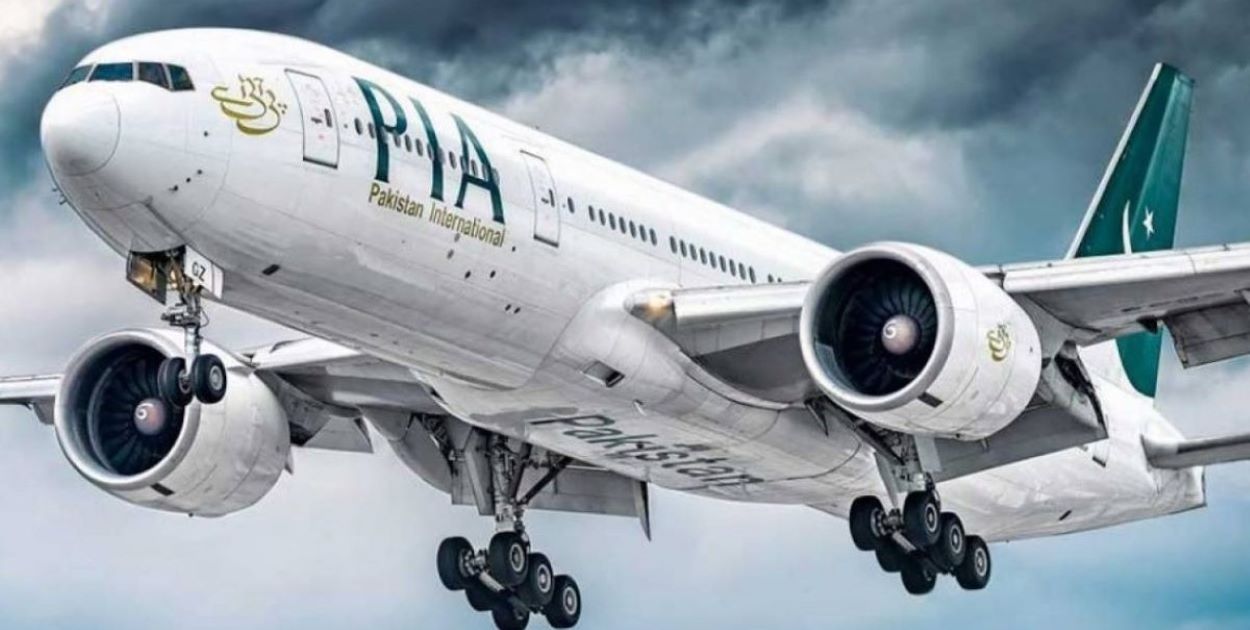

Pakistan International Airlines has announced the resumption of direct flights from Lahore to London. This marks a major milestone in rebuilding its UK operations after a prolonged suspension.
According to a PIA spokesperson, the first Lahore–London flight, PK-757, will depart on March 30. All services on this route will land at Heathrow Airport, using Terminal 4.
The move ends a six-year gap in PIA’s Lahore–London operations. London remains one of the airline’s oldest and most important international destinations. Therefore, making the route’s revival strategically significant for the national carrier.
With the addition of the Lahore service, PIA will operate seven weekly flights to the UK. Before restrictions disrupted operations, the airline ran up to 10 weekly flights between Pakistan and London. PIA officials said they plan to increase frequencies gradually, based on passenger demand and operational capacity.
Earlier, PIA confirmed the restart of three weekly direct flights from Islamabad to London, scheduled to begin on March 29. Together, the Islamabad and Lahore routes signal a broader restoration of the airline’s UK network.
Read: Arif Habib Says Profitable PIA Is Priority, Performance to Decide Jobs
The renewed services are expected to provide relief to travellers, especially the Pakistani diaspora in Britain. This will improve direct connectivity and reduce reliance on indirect routes.
The restart also comes after PIA’s privatisation, under which a 75% stake was sold to a consortium led by Arif Habib Corporation for Rs135 billion. The consortium has outlined plans to expand the airline’s fleet to 64 aircraft in phases. This aims to strengthen capacity and reliability.
More recently, Fauji Fertiliser Company Limited joined the Arif Habib-led group. The company will contribute financial backing, corporate expertise, and representation within PIA’s management structure.
Industry observers say the return of UK flights reflects renewed confidence in PIA’s international strategy. If demand holds, the airline could further rebuild its global footprint, starting with key long-haul markets like London.