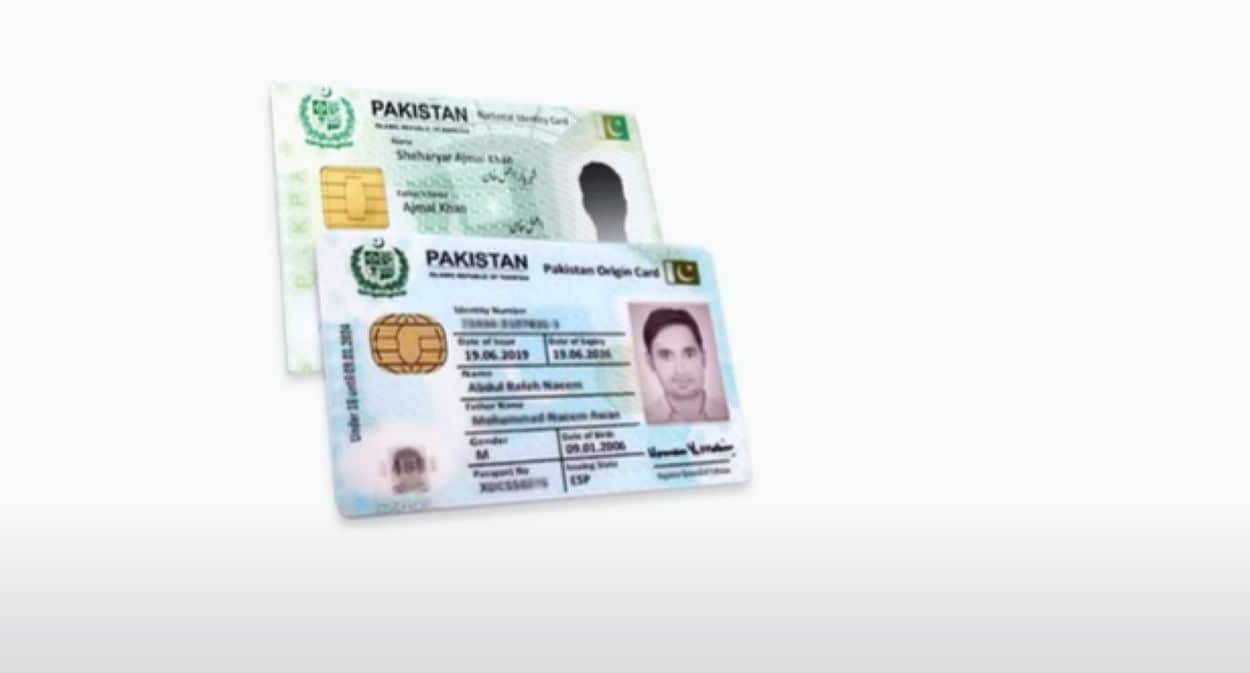

The Pakistan smart CNIC security updates mark a major step in strengthening the country’s national identification system. The government has introduced new technical safeguards to enhance authenticity and prevent misuse of Computerised National Identity Cards (CNICs).
According to NADRA‘s official notification, fingerprint and iris scans have now been formally incorporated into the verification rules. In addition, the QR code printed on smart ID cards has been granted legal status as a recognised security and authentication feature.
Under the Pakistan smart CNIC security updates, the QR code will allow instant offline and online verification. Officials say this feature provides a reliable alternative to microchip-based systems and improves accessibility for verification authorities.
"ایک قوم – ایک شناخت" کے تصور کو عملی شکل دیتے ہوئے حکومتِ پاکستان نے قومی شناختی کارڈ اور پاکستان اوریجن کارڈ قواعد میں اہم ترامیم کی منظوری دے دی۔ کیو آر پر مبنی تصدیق، انسدادِ دھوکہ دہی کا مضبوط نظام اور بزرگ شہریوں کیلئے نئی سہولتیں متعارف۔ pic.twitter.com/L5Ek1icX8x
— NADRA (@NadraPak) February 24, 2026Authorities also confirmed that if a smart CNIC is suspended or cancelled, all associated verification and authentication services will be disabled immediately. This measure is designed to prevent misuse and strengthen control within the national database system.
The updated rules introduce special provisions for senior citizens. Individuals aged 60 or older will now be eligible for a lifetime-valid smart CNIC, reducing the need for repeated renewals.
Meanwhile, residents of Azad Jammu and Kashmir will have specific mandatory text printed on their identity cards as part of the revised guidelines.
Read: NADRA Established New Facility for Pakistanis in UAE
New smart CNIC samples have also been introduced. These include updated security layouts and enhanced QR code integration to improve technical reliability.
Officials stated that these changes are part of broader efforts to modernise Pakistan’s identity management system and ensure secure, verifiable identification for all citizens.
The government maintains that these reforms aim to improve transparency, security, and efficiency in identity verification nationwide.