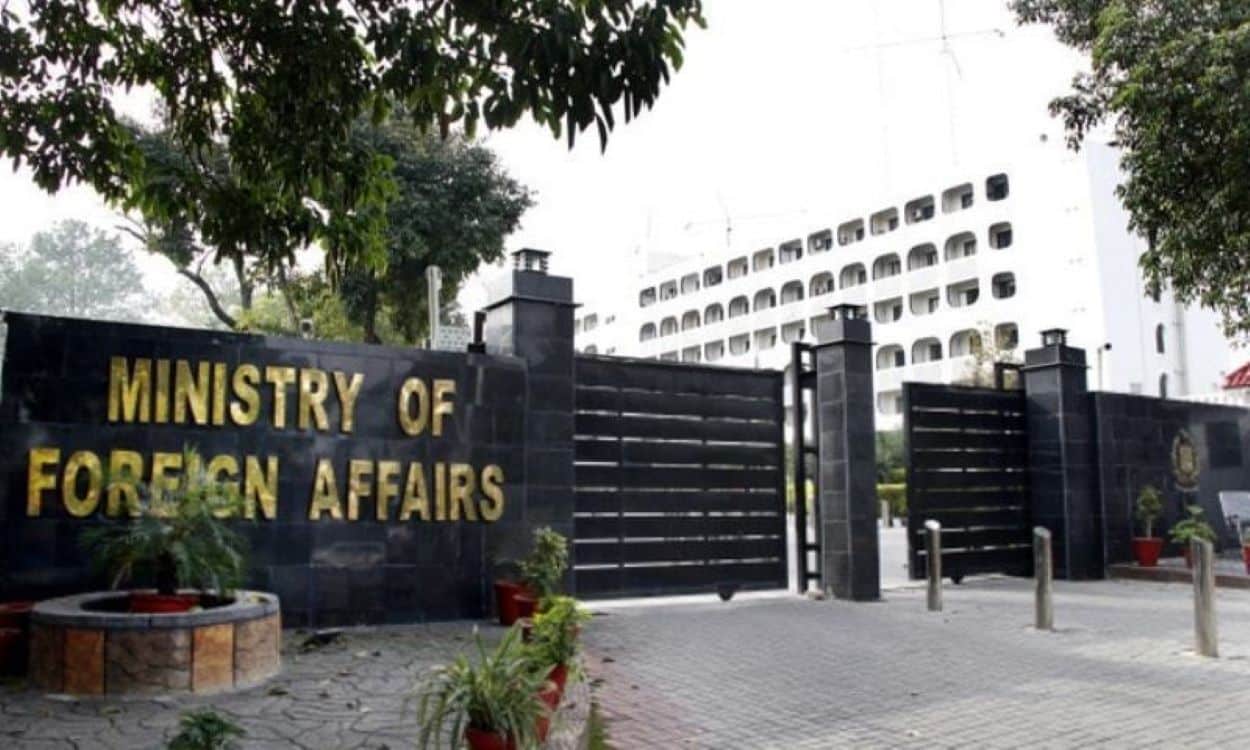

Pakistan rejects India’s Shia remarks, calling them politically motivated and misleading. The Foreign Office (FO) stated that New Delhi’s comments are an attempt to divert attention from its internal issues.
Officials described the Indian claims as an “exercise in deflection masquerading as concern.” They emphasised that such statements lack credibility and fail to reflect ground realities.
The response followed remarks by India’s Ministry of External Affairs (MEA). The Indian side alleged “systemic victimisation of minorities” in Pakistan.
FO spokesperson Tahir Andrabi dismissed these claims. He stated that India’s comments cannot mask its own record of discrimination against minorities.
#Watch: MEA condemned remarks by Asim Munir on Shia Muslims, calling it ‘not an isolated incident’ and highlighting a troubling pattern. #India #MEA #Pakistan #AsimMunir #ShiaMuslims #HumanRights #SouthAsia #IndiaTodayGlobal pic.twitter.com/95ymZZ6Rbc
— India Today Global (@ITGGlobal) March 27, 2026He highlighted concerns about violence against Muslims, Christians, and other communities. According to the FO, these patterns include restrictions on worship and attacks on livelihoods.
The issue emerged after a meeting between Chief of Defence Forces Syed Asim Munir and Shia clerics in Rawalpindi. The discussion focused on national security and social harmony. However, India linked the meeting to its criticism of Pakistan’s minority rights record.
In response, Pakistan pointed to rising incidents of violence in India. The FO cited reports of mob lynchings targeting Muslims.
Officials stated that more than 55 Muslims were reportedly lynched in 2025. Additionally, over 19 deaths have been reported since January 2026. The FO also referred to attempts by extremist groups to destroy mosques. It added that perpetrators often act with impunity and face limited accountability.
Read: Full List of Key Iranian Leaders Killed in US-Israeli Strikes
Pakistan urged India to address its internal challenges. The FO called on New Delhi to ensure protection for all communities in line with its constitutional and international obligations. It also advised India to refrain from making “unfounded and politically motivated statements” about other countries.
The statement concluded with a call for responsible dialogue and mutual respect in regional affairs.