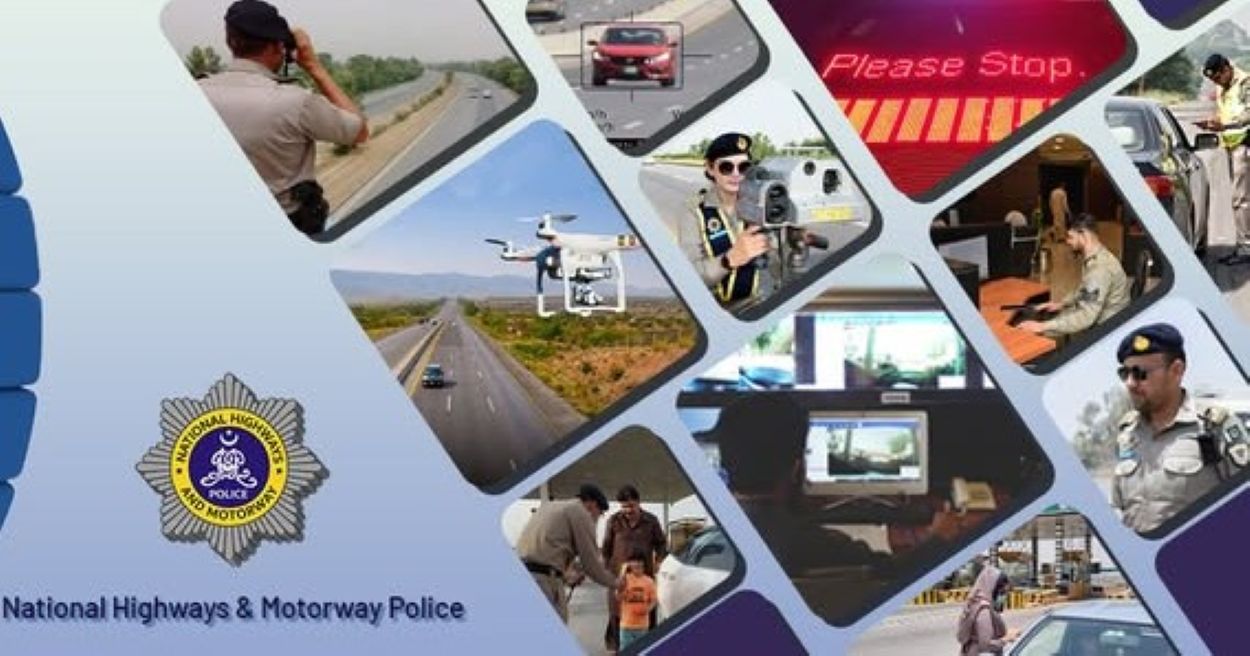

Pakistan has introduced new highway speed limits as part of a federal push to conserve fuel and improve energy efficiency, with the revised rules taking effect on March 26, 2026.
The National Highways and Motorway Police (NHMP) said the move follows directives from the prime minister aimed at reducing fuel use and promoting austerity measures nationwide. The agency has also launched a public awareness campaign to help commuters understand the changes.
Under the new rules, speed limits on motorways have been reduced for all major vehicle categories.
| Road Type | Vehicle Type | Old Limit | New Limit |
|---|---|---|---|
| Motorways | Cars & LTVs | 120 km/h | 100 km/h |
| Motorways | PSVs & HTVs (buses, trucks) | 110 km/h | 90 km/h |
| National Highways | Cars & LTVs | 100 km/h | 80 km/h |
| National Highways | PSVs & HTVs (buses, trucks) | 80 km/h | 65 km/h |
Why Pakistan Reduced Speed Limits
Officials say the changes are meant to cut fuel consumption, improve road safety, and support broader national energy conservation goals.
The policy comes at a time when global oil supply disruptions linked to tensions in the Middle East have added pressure to fuel markets. In response, Pakistan is among the countries adopting measures to better manage fuel demand.
Motorists have been urged to strictly follow the revised limits to ensure smooth implementation and better compliance nationwide.
Automotive experts say lower driving speeds can improve fuel efficiency because air resistance rises as a vehicle moves faster.
At higher speeds, that resistance increases sharply, forcing engines to work harder and burn more fuel. As a result, slower driving can reduce fuel use over long distances, especially on highways and motorways.
The International Energy Agency has also said that cutting highway speed limits by 10 km/h could reduce oil consumption from cars by 1 to 6 per cent. That recommendation has become more relevant as governments respond to ongoing global energy pressures.