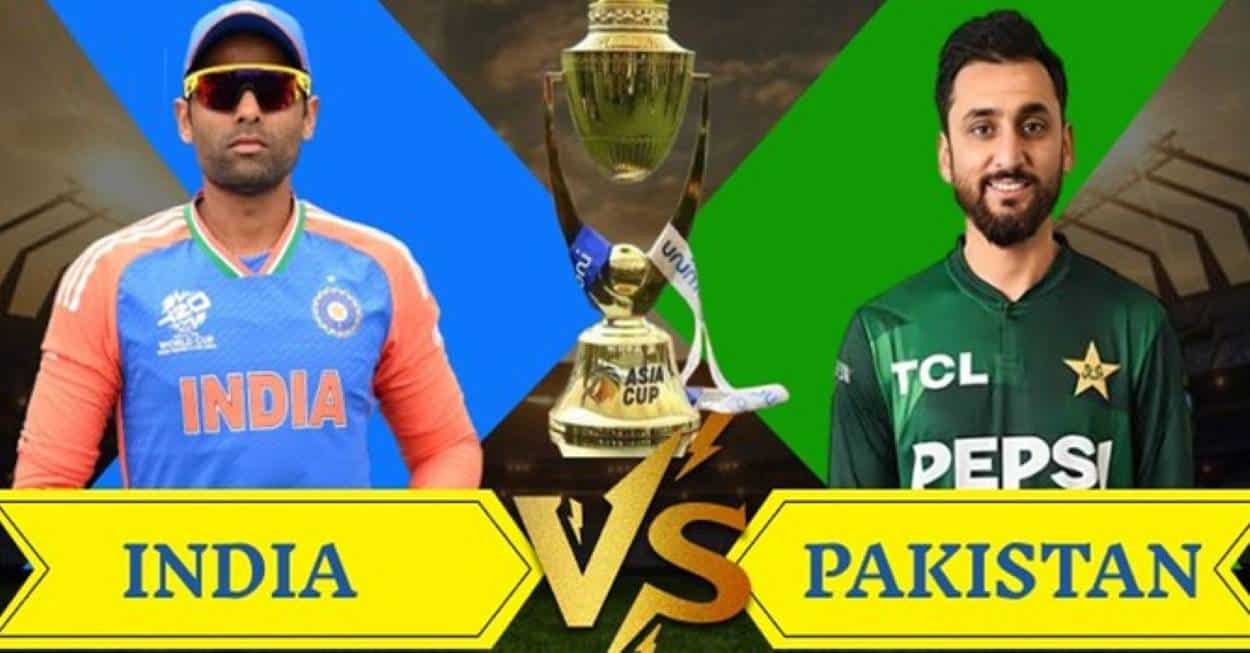

The impact of the Pakistan-India T20 World Cup match has drawn fresh attention after reports claimed that Pakistan’s decision to play India saved the International Cricket Council significant revenue. According to Indian media, the revival of the high-profile fixture protected an estimated $174 million in revenue from broadcasting, sponsorships, and gate receipts.
The financial impact emerged soon after Pakistan confirmed it would play India on February 15 in Colombo. The federal government approved the decision following consultations involving the Pakistan Cricket Board, the ICC, and the Bangladesh Cricket Board.
Officials said the government reviewed formal requests from the BCB, along with communications from Sri Lanka, the United Arab Emirates, and other ICC member nations. The move aimed to preserve the tournament’s continuity and the broader interests of global cricket.
Pakistan-India T20 World Cup
Indian media reported that the estimated savings included broadcasters’ advertising revenue, ticket sales, and multiple sponsorship commitments. A cancellation would have disrupted commercial contracts linked to one of cricket’s most-watched fixtures.
The Pakistan-India encounter remains a major driver of viewership. Broadcasters and sponsors rely on the match to anchor premium advertising slots and promotional campaigns across the tournament.
Industry analysts say the confirmation reassured partners who had prepared contingency plans during the uncertainty. The decision restored confidence in the event’s commercial outlook.
JUST IN: Pakistan have withdrawn their decision to boycott their 2026 T20 World Cup group fixture against India on February 15 in Colombo https://t.co/WHjWvsxro8 pic.twitter.com/dryivKNtfI
— ESPNcricinfo (@ESPNcricinfo) February 9, 2026The revival of the match had an immediate effect on travel and tourism. Airlines reported a sharp rise in demand for flights between Mumbai and Colombo.
According to Indian media, airfares surged from around INR10,000 to as high as INR60,000 within hours. Hotels in Colombo also welcomed the decision, expecting increased bookings from travelling fans.
Read: Pakistan to Play India in T20 World Cup After Government Approval
Local tourism operators said the fixture typically attracts regional and international visitors. Restaurants, transport services, and hospitality businesses anticipate higher footfall during match week.
Despite the positive commercial outlook, the announcement also created confusion among fans. Some supporters had already cancelled hotel reservations or boycotted the fixture during the earlier standoff.
Hotels in Colombo reported a wave of inquiries about rebooking and refund policies. Fans also sought clarification on ticket refunds and availability for the Pakistan-India match.
Event organisers said they are working with partners to manage changes and provide guidance to ticket holders affected by the earlier uncertainty.
Why Pakistan had initially boycotted the match
Pakistan had earlier decided not to play India in solidarity with Bangladesh. Tensions rose after Bangladesh’s star pacer Mustafizur Rahman was dropped from the Indian Premier League at the direction of the Board of Control for Cricket in India.
The decision sparked outrage in Dhaka. In response, the BCB asked the ICC to shift its matches outside India, citing concerns related to fairness and treatment.
The ICC rejected the request, citing scheduling constraints. As the tournament start date approached, the governing body replaced Bangladesh with Scotland.
PCB reaction and ICC talks
The PCB strongly opposed the ICC’s decision to exclude Bangladesh. Pakistan then announced a boycott of its match against India, arguing bias against a fellow member nation.
The move triggered urgent talks involving the ICC, PCB, and BCB. Senior officials met to explore a compromise that would protect tournament integrity and regional cricket relations.
Following these discussions and requests from friendly countries, Pakistan reversed its stance and agreed to play the match in Colombo.
Cricket observers say the episode highlights how geopolitics, governance disputes, and commercial realities intersect in modern sport. The Pakistan-India match carries sporting, diplomatic, and financial weight unmatched by most fixtures.
The ICC has not publicly confirmed the $174 million figure. However, officials acknowledge the match’s importance to the tournament’s financial health.
With the fixture back on the schedule, organisers now focus on logistics, security, and fan engagement ahead of February 15. The impact of the Pakistan-India T20 World Cup match extends beyond revenue. It has restored momentum to the tournament and eased concerns among stakeholders.