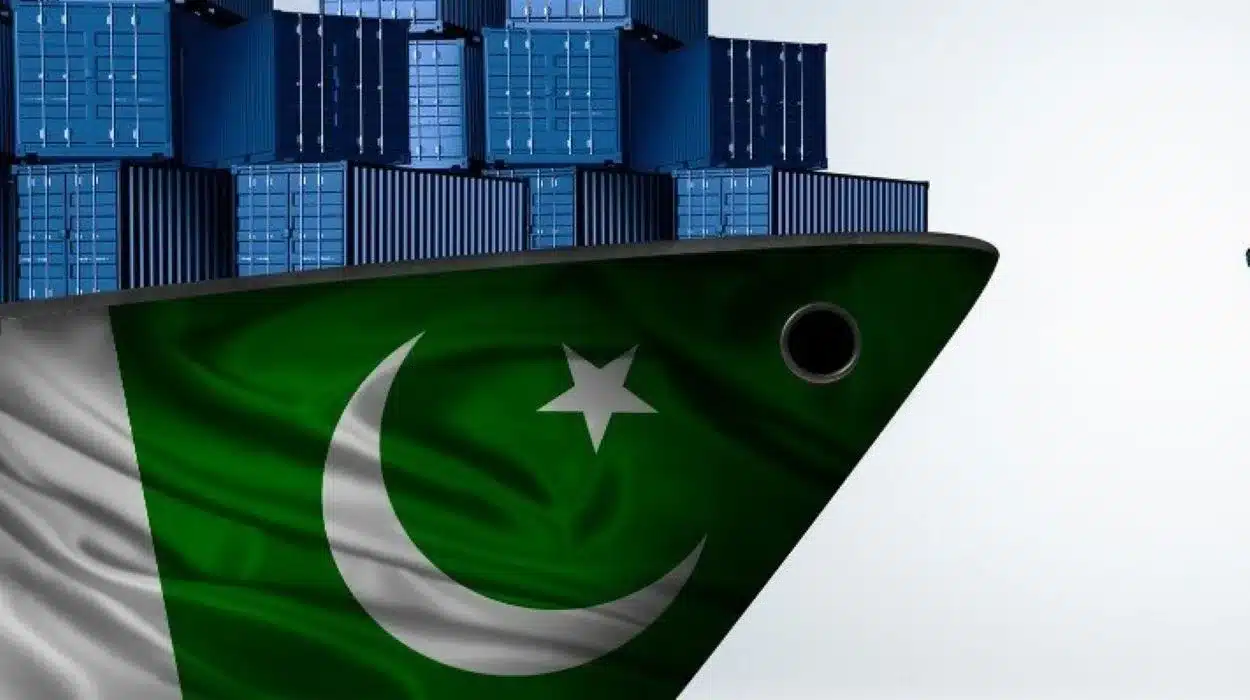

New data shows Pakistan’s exports fell significantly in Jul–Dec FY2024-25, sparking concern among economists over trade and recovery.
Pakistan’s trade outlook has weakened further after official data confirmed a sharp decline in national exports during the first half of the 2024–25 financial year. The figures, covering July to December, point to mounting pressure on Pakistan’s economy, with economists describing the trend as alarming and warning that inaction could deepen existing structural challenges.
According to official statistics, most major export-oriented sectors recorded significant contractions compared to the same period last year. Food grain exports fell sharply to $236 million, reflecting a drop of over 40 per cent from nearly $4 billion in the previous fiscal year’s first half. Rice exports, traditionally one of Pakistan’s strongest foreign exchange earners, declined by almost 50 per cent, while vegetable exports dropped by more than 36 per cent. Local nuts and dry fruits suffered the steepest fall, plunging by nearly 64 per cent.
The downturn was not limited to agriculture-based exports. Manufactured and value-added sectors also came under strain. Plastic product exports declined by over 43 per cent, pharmaceutical exports fell by close to 29 per cent, and transport equipment exports contracted by more than 36 per cent. Together, these declines underscore the breadth of the slowdown and highlight the economy’s vulnerability to both domestic and external shocks.
Amid the widespread contraction, the textile sector offered a limited measure of resilience. Textile exports reached approximately $916 million during the period, posting marginal growth compared to last year. However, analysts caution that this modest increase was insufficient to offset the steep losses across other sectors, leaving overall export performance firmly in negative territory.
Economic experts attribute the export slump to a combination of global and domestic factors. Weak international demand has reduced orders for traditional Pakistani exports, while rising production, energy, and compliance costs have eroded competitiveness. Persistent logistical bottlenecks and market access challenges continue to disrupt supply chains, and intensified competition from regional exporters has further squeezed Pakistan’s share in key markets.
Analysts warn that without immediate and coordinated policy measures, the export decline could worsen the trade deficit and place additional strain on the country’s fragile economic recovery. They stress the need for targeted reforms to lower production costs, diversify export markets, improve logistics, and strengthen value-added industries to restore confidence and stabilise external trade performance.