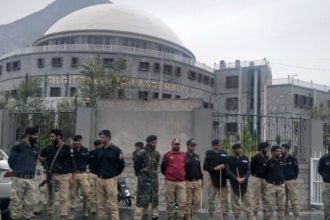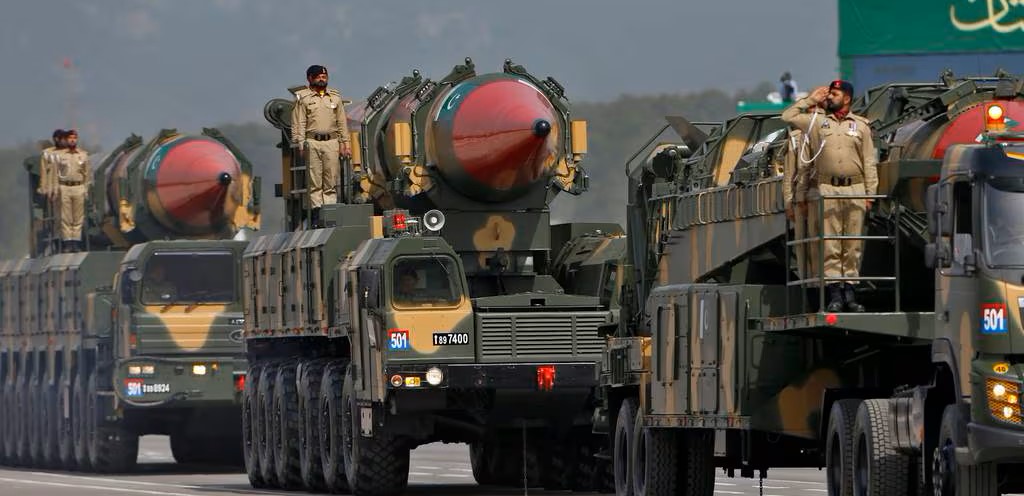

Pakistan Day parade 2026 has been cancelled, with the government opting for a simple flag-hoisting ceremony amid austerity measures linked to the Gulf crisis. Officials say March 23 will now be observed with dignity and reverence.
Pakistan Day parade 2026 has been cancelled, with the federal government saying this year’s parade and related ceremonial events will not be held due to austerity measures linked to the ongoing Gulf oil crisis.
The announcement came in a statement issued by the Prime Minister’s Office. Instead of the usual military parade, flypast and large public ceremonies on March 23, the day will now be observed through a simple flag-hoisting ceremony.
Why Pakistan Day Parade 2026 Was Cancelled
The government said the decision was taken in the backdrop of the Gulf oil crisis and the broader austerity measures announced in recent days. Those measures are part of a wider effort to reduce fuel use and public spending as Pakistan faces pressure from rising oil prices and regional instability.
Prime Minister Shehbaz Sharif has already approved a series of fuel-saving steps, including a four-day workweek for government offices, work-from-home arrangements and other restrictions aimed at conserving resources.
According to the PM Office, Pakistan Day on Sunday, March 23, 2026, will be marked with dignity and reverence through a simple flag-hoisting ceremony, rather than the traditional parade and associated events.
The move follows earlier government directives for Pakistan’s missions abroad to also mark March 23 simply and limit observances to flag-hoisting ceremonies.
Read: Pakistan Announces Austerity Measures as Fuel Crisis Deepens
Pakistan depends heavily on oil and gas imports from the Gulf, and the current regional crisis has added pressure to supply planning and fuel prices. The government has said petroleum supply chains are being monitored closely, while emergency preparedness measures remain in place until the situation improves.
The cancellation of the Pakistan Day parade 2026 reflects the broader belt-tightening approach as the government seeks to manage costs and maintain essential supplies amid uncertainty.