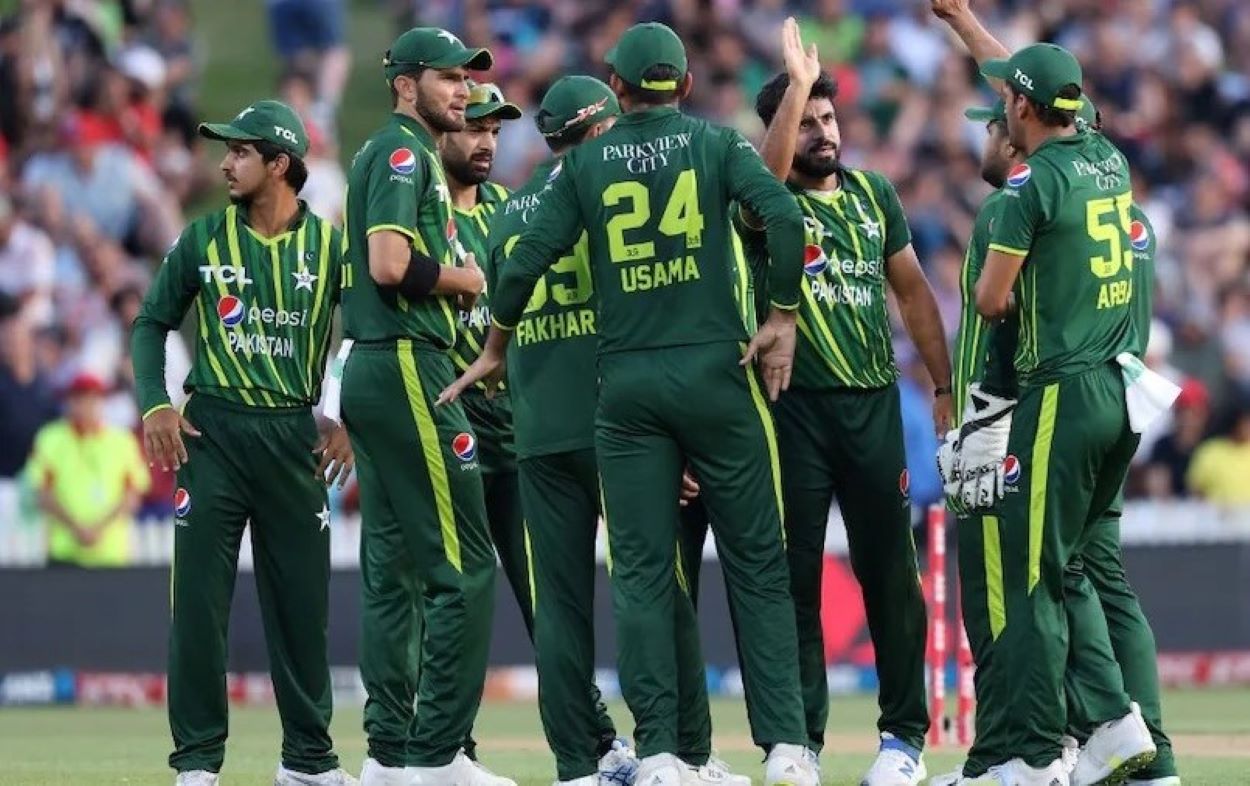

In a decision that has sent ripples across the global cricketing landscape, the Government of Pakistan, in consultation with the Pakistan Cricket Board (PCB), has announced that the national team will boycott its scheduled match against India at the ICC T20 World Cup 2026.
Pakistan will, however, participate fully in the remainder of the tournament, which begins on February 7.
The decision followed a high-level consultation between PCB Chairman Mohsin Naqvi and Prime Minister Shehbaz Sharif. Sources say the move reflects Pakistan’s protest against what it views as the International Cricket Council’s inconsistent and biased handling of tournament matters.
The controversy stems from Bangladesh’s removal from the competition after it declined to tour India over security concerns. The Bangladesh Cricket Board requested that its matches be moved to Sri Lanka, but the ICC rejected the proposal. Pakistan now frames its boycott as an act of solidarity, protesting what it calls the selective enforcement of ICC rules.
The Government of the Islamic Republic of Pakistan grants approval to the Pakistan Cricket Team to participate in the ICC World T20 2026, however, the Pakistan Cricket Team shall not take the field in the match scheduled on 15th February 2026 against India.
— Government of Pakistan (@GovtofPakistan) February 1, 2026The decision has drawn vocal support from several prominent figures in Pakistan cricket.
Former Test great Mohammad Yousuf said on X that the move was “tough but necessary,” adding that principles must outweigh commercial interests if cricket is to remain truly global.
Ex-wicketkeeper Rashid Latif questioned the ICC’s appeal to protect “cricket’s ecosystem,” asking why similar concerns were absent during past forfeits and tour refusals by other nations. He remarked that the governing body now faces a serious credibility test.
Under an existing ICC arrangement, Pakistan and India already contest their World Cup matches at neutral venues. For the 2026 tournament, Pakistan’s group fixtures were scheduled in Sri Lanka. As such, the boycott represents a symbolic and political withdrawal from the India fixture. It does not cause a logistical disruption to Pakistan’s campaign.
Read: Bangladesh Rules Out India Travel for T20 World Cup Over Security Concerns
The ICC has urged the PCB to seek a “mutually acceptable resolution,” warning of potential long-term implications for the sport. However, with positions hardening, the situation remains fluid. The cricketing world continues to watch closely for further developments that could reshape governance debates within international cricket.